At NAMM 2025, Akai Professional assembled a powerhouse panel of MPC legends—Roger Linn, Jermaine Dupri, Just Blaze, Jimmy Jam, and Bryan-Michael Cox—to dissect the legacy and ongoing innovation of the MPC series. Moderated by Andy Mac, the session offered a rare, workflow-focused glimpse into the minds that shaped not just the hardware, but the very DNA of modern music production. From the origins of real-time programming and quantization to the artistry that turned raw sounds into cultural touchstones, the conversation illuminated how the MPC has remained both a technical marvel and a creative catalyst. For anyone obsessed with digital instrument architecture, performance workflow, and the evolution of the groovebox, this panel was a masterclass in both history and future potential.
22. February 2025
LYRA
Akai Professional at NAMM 2025: MPC Legends Panel Redefines the Beat
Akai MPC series, LinnDrum, LM-1, MPC Live 2, MPC X, MPC-3000
A Historic Gathering: MPC Legends at NAMM 2025
NAMM 2025 saw Akai Professional curate a panel that was nothing short of iconic, bringing together foundational figures in music production to discuss the impact and legacy of the MPC series. The event, staged at Akai’s first-ever Creative Lounge, set the tone for a conversation that would bridge generations of producers and beatmakers.
From the outset, the panel was positioned not just as a celebration of gear, but as a living history lesson—one that explored how the MPC has become a cornerstone of both studio and stage workflows. The session promised deep dives into the artistry, innovation, and community that have defined the MPC’s journey, making it a must-watch for anyone invested in the architecture of modern music production.
Voices of Innovation: The Panelists and Their MPC Journeys
The panel’s lineup was a veritable who’s who of MPC history: Roger Linn, the original designer; Jermaine Dupri, Just Blaze, Jimmy Jam, and Bryan-Michael Cox—all artists whose fingerprints are embedded in the evolution of the MPC sound. Each panelist brought a unique perspective, shaped by their personal and professional journeys with the instrument.
Stories ranged from early encounters with the LinnDrum and LM-1 to the first hands-on experiences with the MPC-3000. The panelists discussed how their initial exposure to drum machines and sampling workstations influenced their creative paths, with anecdotes about discovering rare revisions, learning from studio mentors, and the sometimes accidental acquisition of legendary gear. These narratives underscored the MPC’s role as both a technological tool and a rite of passage for producers entering the world of beatmaking.
Blueprints of the Beat: Real-Time Programming and Workflow Evolution
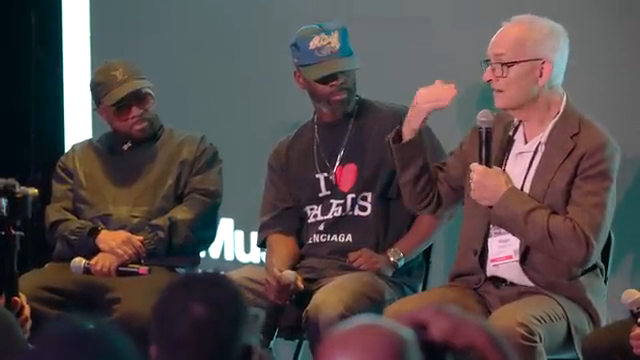
A central theme of the discussion was the MPC’s innovative features—particularly its real-time programming, quantization, and swing. Roger Linn recounted the pivotal moment when he realized that musicians needed an interface that allowed them to capture ideas instantly, without the friction of complex menus or visual translation layers. This led to the development of real-time programming and quantization, features that would become industry standards.
Panelists highlighted how these capabilities enabled both precision and human feel, allowing producers to decide when to embrace or reject quantization for a more live, spontaneous groove. The MPC’s pad-based interface and flexible sequencing were celebrated for making complex arrangements accessible, while the evolution of its operating system and hardware architecture was credited for keeping the workflow intuitive even as features expanded. The conversation made it clear: the MPC’s architecture was designed for immediacy, creativity, and adaptability.
"That's when I came up with a real-time programming system and created quantization and swing that really helped in those efforts."
© Screenshot/Quote: Akai Pro (YouTube)
Sound Design and Artistic Identity: Shaping the MPC’s Sonic Legacy
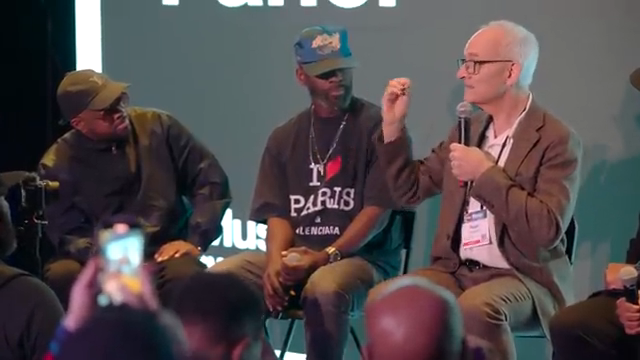
"I think they're thinking of the songs that you've all created, and it reminds them of a good feeling they had because of the quality of the music."
© Screenshot/Quote: Akai Pro (YouTube)
The panelists were unanimous in emphasizing that the MPC’s reputation for great sound is inseparable from the artistry of those who use it. Roger Linn himself downplayed the mythos of the machine’s inherent sound quality, arguing that it is the creative work of producers and musicians that imbues the MPC with its legendary status. The panelists discussed how their own processing techniques, from overdriving tape to live pad fills, contributed to the distinctive character of their records.
Stories about iconic tracks—like Janet Jackson’s “Control” and Kris Kross’s “Jump”—illustrated how the MPC’s sampling, song mode, and sequencing tools enabled complete productions within a single box. The ability to manipulate samples, layer beats, and automate changes in real time allowed each artist to develop a unique sonic fingerprint, reinforcing the idea that the MPC is as much a brush as it is a canvas.
Enduring Legacy: The MPC in Contemporary Production
The event closed by celebrating the MPC’s ongoing relevance in modern music production. Panelists reflected on how the MPC’s workflow has remained consistent even as the hardware has evolved—touchscreens, built-in speakers, and ARM-based architectures now coexist with the original pad-driven interface. The discussion acknowledged Akai’s commitment to listening to its user community, ensuring that each new iteration of the MPC honors its roots while embracing new creative possibilities.
Perhaps most telling was the generational handoff: producers who grew up on early MPCs now see their children making beats on the latest models, with the fundamental workflow unchanged. The MPC’s adaptability, ease of use, and capacity for deep sound design have kept it at the center of both DAWless and hybrid setups. As the panelists made clear, the MPC is not just a piece of gear—it’s a living, evolving platform that continues to shape the sound of contemporary music.
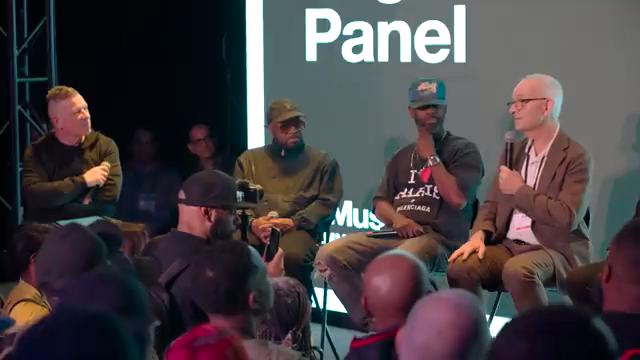
"This was so much better than what I created in 1988 in a variety of ways. But it still honored the original interface and did both."
© Screenshot/Quote: Akai Pro (YouTube)
Watch on YouTube:
Latest articles
Watch on YouTube:
https://www.youtube.com/Akai_Pro
Links from Akai_Pro:
Sponsored links:
If you purchase via these links, we may earn a small commission – at no extra cost to you. The link opens an Amazon keyword search, and results may vary depending on availability.
🔗 Check price on Amazon
🔗 Check price on Amazon
🔗 Check price on Amazon
🔗 Check price on Amazon
🔗 Check price on Amazon
🔗 Check price on Amazon