In this deep-dive video, Stimming demonstrates the formidable performance potential of 1010music’s blackbox sampler—by running not one, but two units in tandem. 1010music, known for their touchscreen-centric digital hardware, provides the backbone for a live setup that’s all about seamless transitions, real-time sampling, and creative manipulation. The focus here is on workflow: how to move from track to track, integrate granular synthesis, and keep the dancefloor energy alive without a laptop in sight. If you’re curious about how digital samplers can be pushed to their architectural and performative limits, this walkthrough is a must-watch.
30. July 2024
LYRA
1010music Blackbox: Stimming’s Dual-Sampler Workflow for Live Performance Mastery
Blackbox as a Performance Powerhouse
Stimming opens the video by positioning the blackbox as a versatile, performance-oriented sampler designed for live electronic music. The emphasis is on its ability to facilitate smooth transitions between tracks and enable real-time sampling, all within a compact, touchscreen-driven device. This approach aligns with 1010music’s ethos of delivering portable, computer-free workflows for both studio and stage.
The demonstration immediately sets the stage for a hands-on exploration, focusing on how the blackbox can be used not just as a static playback device, but as an active instrument for creative performance. The promise here is seamless movement between musical ideas, with the sampler acting as both a groove engine and a live sound manipulator.
Dual-Blackbox Setup: Leader, Follower, and Real-Time Sampling
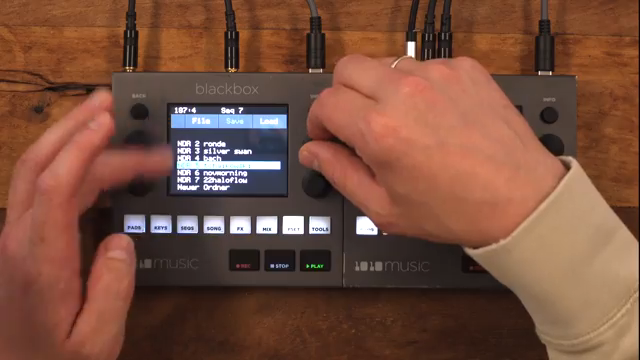
A key architectural feature of Stimming’s rig is the use of two blackbox units. One serves as the MIDI leader and real-time creative sampler—akin to an Octatrack in its flexibility—while the other acts as a dedicated audio player, following MIDI clock and handling immediate track playback. This separation of duties allows for both stability and creative freedom, with the leader unit driving the show and the follower providing a reliable playback backbone.
Stimming details the routing: MIDI out from the right (leader) blackbox feeds into the left (follower), while audio is routed to ensure that the main output remains tight and performance-ready. The setup is further enhanced by the use of a mixer and external effects, but the core workflow—track selection, time-stretching, and transient preservation via one-shots—is all handled within the blackbox ecosystem. The demonstration underlines the importance of keeping transients crisp by using one-shots for key elements like kick and hi-hat, even as clips are stretched or compressed to match tempo.

"One works as at first and most importantly the MIDI leader and also as some kind of real time creative sampler thing, octatrack kind of style."
© Screenshot/Quote: 1010Music (YouTube)
Granular Synthesis: Evolving Soundscapes in Real Time
The integration of granular synthesis within the blackbox is showcased as a powerful tool for live sound design. Stimming demonstrates how a recorded sample can be switched into granular mode, allowing for the creation of complex, evolving textures on the fly. The process involves copying a sample to an empty pad, switching its playback mode, and manipulating parameters such as speed and pitch to achieve phasey, shifting results.
This granular capability isn’t just a studio trick—it’s presented as a real-time performance tool. The ability to morph a straightforward sample into something entirely new, live on stage, adds a layer of unpredictability and depth to the set. Stimming’s workflow highlights how digital sampling architectures like the blackbox can blur the line between playback and synthesis, empowering performers to sculpt sound in the moment.
Creative Workflows: Transitions, Live Recording, and Performance Tools

"You use the record to play functionality, and then it immediately creates a clip which is played on time."
© Screenshot/Quote: 1010Music (YouTube)
Throughout the video, Stimming demonstrates a variety of creative workflows that leverage the blackbox’s strengths. Track transitions are handled with precision using the record-to-play function, which instantly turns a live recording into a playable clip. This enables smooth handoffs between tracks and even allows for tempo changes without losing sync, thanks to the blackbox’s robust clock-following and quantization features.
Live recording is made intuitive through the touchscreen interface, with quantization ensuring that new clips are always locked to the grid. Performance tools like filtering, muting, and external effects are integrated into the setup, but the core creative moves—sampling, sequencing, and transitioning—are all achievable within the blackbox itself. The workflow is designed to keep the performer in a state of flow, minimizing menu-diving and maximizing hands-on control.
An Invitation to Experiment: Flexibility for All Performers
In the closing moments, Stimming encourages viewers to explore their own sampling techniques and workflows with the blackbox. The message is clear: this instrument is not just for replicating someone else’s set, but for discovering unique approaches to live performance and sound design. The flexibility of the blackbox—its ability to handle transitions, real-time sampling, and granular manipulation—makes it a valuable tool for both newcomers and seasoned performers.
Stimming’s walkthrough serves as both a technical guide and an open invitation. Whether you’re interested in tight, DJ-style transitions or experimental sound mangling, the blackbox provides a digital canvas for creative exploration. The video closes on a note of inspiration, reminding us that the best workflows are the ones we make our own.

"I hope I could inspire you to use and abuse your own samples in real time for transition or for whatever you want."
© Screenshot/Quote: 1010Music (YouTube)
This article is also available in German. Read it here: https://synthmagazin.at/1010music-blackbox-stimmings-dual-sampler-workflow-fuer-live-performance-auf-hoechstem-niveau/
Watch on YouTube:
Latest articles
Watch on YouTube:
Visit the channel:
https://www.youtube.com/1010music
https://www.youtube.com/1010music
Links from 1010music:
website: https://1010music.com
instagram: https://www.instagram.com/1010_music
downloads: https://1010music.com/downloads
forum: https://forum.1010music.com
Sponsored links:
If you purchase via these links, we may earn a small commission – at no extra cost to you. The link opens an Amazon keyword search, and results may vary depending on availability.
1010music blackbox
🔗 Check price on Amazon
🔗 Check price on Amazon