Woody Piano Shack grabs the Teenage Engineering EP-133 K.O. II and dives headfirst into its chaotic world of beat-making, sampling, and scene-juggling. This isn’t your typical glossy demo – Woody’s approach is hands-on, honest, and a bit messy, just the way we like it. Expect plenty of workflow quirks, happy accidents, and a sampler that sometimes fights back. If you’re after a polished product walkthrough, look elsewhere. But if you want to see a real musician wrangle this plastic beast into something musical, you’re in for a treat. Spoiler: it’s not always pretty, but it’s never boring.

12. November 2025
SPARKY
Woody Piano Shack vs Teenage Engineering EP-133 K.O. II: Beat-Making in the Rave Bunker
Teenage Engineering EP-133 K.O. II, Teenage Engineering OP-Z
Plastic Beast, Strange Feast
The Teenage Engineering EP-133 K.O. II isn’t just another groovebox – it’s a sampler, a beat machine, and a workflow puzzle all in one chunky slab of plastic. Woody Piano Shack, known for his playful yet practical approach, jumps straight into the deep end, showing off the groups, pads, and the slightly bonkers sample management system. You get four groups, each with 12 sounds, and a thousand sample slots to fill. Factory sounds are solid, with plenty of 808s, claps, and cowbells to keep your inner raver happy. Loading your own samples is a breeze thanks to the web app, and the built-in mic means you can get weird on the fly.
It runs on four AAA batteries and has a surprisingly decent speaker, so you can bash out beats on your sofa, in the park, or wherever inspiration strikes. Woody’s not shy about the quirks: the build is all plastic, but it’s a solid chunk, and the mechanical keys feel great. The fader’s smooth, the screen is colourful, and the whole thing auto-saves everything you do – for better or worse. If you’re after a sampler that’s portable, playful, and a bit unpredictable, this one’s got your number.
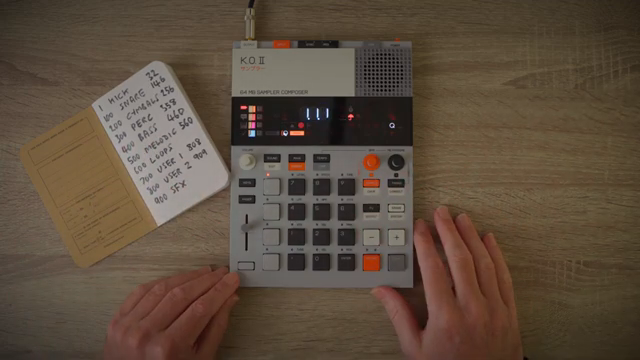
"There have been some complaints in the early days about the reliability of these. Mine is working perfectly and I am very pleased with the build quality although it's plastic, it's a solid chunk of plastic that's for sure."
© Screenshot/Quote: Woodypianoshack (YouTube)
Demo Derby: Strengths, Stumbles, and Sonic Surprises
Woody gets his hands dirty with a live demo, building up drums, bass, and percussion from scratch. The workflow is a mix of clever shortcuts and head-scratching moments. Pattern lengths go up to 99 bars (seriously), and you can have 99 patterns per group – pure overkill for most, but a playground for the brave. Scene saving is a highlight, letting you snapshot your progress and jump between variations on the fly. It’s a performance dream, if you can keep track of where you are.
But it’s not all smooth sailing. Woody runs into the occasional workflow pothole – modes get mixed up, patterns vanish if you’re not careful, and the fader sometimes seems to have a mind of its own. The auto-save is a double-edged sword: it’s great until you make a mistake, then it’s game over. Still, the demo shows off the K.O. II’s raw potential, especially for those willing to embrace a bit of chaos in their beat-making.
Layer Cake: Patterns, Scenes, and Musical Mayhem
"This is how it is to work with this thing: you make one little slip up and your work is gone."
© Screenshot/Quote: Woodypianoshack (YouTube)
This is where the K.O. II gets interesting. Woody layers up bass, chords, and melodies, showing how you can sequence multiple sounds in the same group and switch between scenes for live performance tricks. The workflow is flexible but demands attention: one wrong move and your bassline’s gone, or you’ve duplicated a dodgy pattern across every scene. Still, the ability to have twelve different patterns running at once in a group is wild – it’s a toaster-fight of ideas waiting to happen.
The fader controls everything from volume to effects, but you’ll need to keep your wits about you as it jumps modes. Woody’s not afraid to call out the confusion, but he also finds moments of magic, especially when stacking sounds and using the colourful screen to navigate the mayhem. If you like your grooveboxes with a side of risk and reward, this section will make you grin.
User-Friendliness: A Riddle Wrapped in Plastic
Woody’s review pulls no punches: the K.O. II is fun, but it’s not always friendly. The workflow can be a brain-melter, especially when the fader changes function without warning or when swing and shuffle behave unlike any other drum machine. Bugs and oddities crop up, and sometimes your hard work just vanishes. Compared to the OP-Z, which somehow manages to be more intuitive without a screen, the K.O. II demands patience and a sense of humour. If you want instant gratification, look elsewhere. But if you’re up for a challenge, this box will reward you with unique beats and plenty of happy accidents.
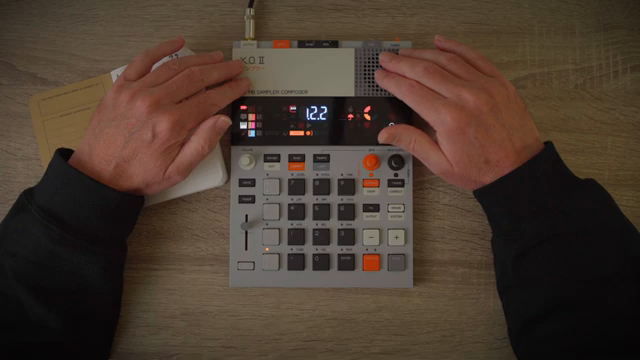
"It's not easy to use. I wouldn't say that. It does glitch sometimes as you saw."
© Screenshot/Quote: Woodypianoshack (YouTube)
Playful Spirit: Embrace the Chaos
Despite the quirks and occasional meltdowns, Woody’s video is a celebration of experimentation. The K.O. II isn’t about perfection – it’s about getting your hands dirty, making mistakes, and stumbling onto something cool. Woody encourages viewers to dive in, mess around, and find their own sound. If you want to see every parameter tweak and hear every beat, you’ll need to watch the video – some things just can’t be captured in text. But one thing’s clear: this little sampler is built for those who like their music-making with a side of chaos and a grin.
This article is also available in German. Read it here: https://synthmagazin.at/woody-piano-shack-vs-teenage-engineering-ep-133-k-o-ii-beatmaking-im-rave-bunker/
Watch on YouTube:
Latest articles
Watch on YouTube:
Visit the channel:
https://www.youtube.com/WoodyPianoShack
https://www.youtube.com/WoodyPianoShack
Links from WoodyPianoShack:
Website: https://woodypianoshack.com
Patreon: https://patreon.com/woodypianoshack
Twitter: https://twitter.com/woodypianoshack
Instagram: https://instagram.com/woodypianoshack
Facebook: https://facebook.com/woodypianoshack
Sponsored links:
If you purchase via these links, we may earn a small commission – at no extra cost to you. The link opens an Amazon keyword search, and results may vary depending on availability.
Teenage Engineering EP-133 K.O. II
🔗 Check price on Amazon
🔗 Check price on Amazon
Teenage Engineering OP-Z
🔗 Check price on Amazon
🔗 Check price on Amazon