Woody Piano Shack takes the Roland Juno-D for a spin, diving headfirst into synthwave nostalgia and showing off just how lush, punchy, and glassy this underrated keyboard can sound. If you like your pop grooves dripping with 80s DNA and want to know if the Juno-D is a secret street weapon or just another plastic pretender, this is your jam. Expect a no-fluff run-through of the sequencer’s highs and lows, some seamless patch magic, and a healthy dose of British banter. Spoiler: Woody’s not afraid to call out the missing features, but he’s also got plenty of love for the sounds. Get ready for a ride that’s as informative as it is entertaining.
2. March 2026
SPARKY
Woody Piano Shack Unleashes the Juno-D: 80s Synthwave, Sequencer Gripes & Sonic Gold
Synthwave Time Machine: The Juno-D’s 80s Flex
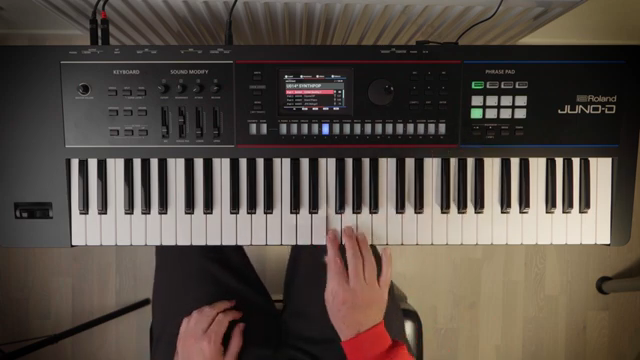
Woody Piano Shack wastes no time, firing up the Roland Juno-D and instantly teleporting us to a neon-lit synthwave universe. The opening groove is pure 80s—think Linn drum swagger, synth brass with attitude, and pads that shimmer like a disco ball at 3am. It’s not just nostalgia for nostalgia’s sake; the Juno-D genuinely nails the vibe, making it a solid contender for anyone chasing that retro pop sound.
What’s refreshing is how Woody layers eight different sounds into a single scene, showing off the keyboard’s ability to juggle complex arrangements without breaking a sweat. There’s a sense of fun and playfulness here, but also a clear message: this isn’t just a preset parade. The Juno-D can deliver the goods when it comes to lush, authentic synthwave tracks, and Woody’s demo makes a convincing case for its place in any 80s-inspired setup.
"Yeah, that was my synth pop, a sort of tribute to the 80s. I love it."
© Screenshot/Quote: Woodypianoshack (YouTube)
Sequencer: Friendly, But Not Flawless
The Juno-D’s sequencer is pitched as user-friendly, and Woody shows how easy it is to stack multiple sounds and lay down a groove. You get a taste of live playability too, with certain tracks left open for improvisation—a nice touch for those who don’t want to sequence every last note. It’s all about quick results and hands-on fun, which is exactly what you want from a performance synth.
But let’s not sugarcoat it: the sequencer’s step count is capped at 64, unless you’re willing to drop the resolution and settle for 128 steps at 1/8 notes. Quantisation? Forget about it—everything is hard-locked to the grid, and there’s no swing or shuffle to inject a bit of human groove. For a synth that gets so much right, these limitations feel like a missed opportunity, especially for anyone who likes their beats a bit less robotic.
Sound Palette: From Punch to Plush
Woody’s demo is a tour of the Juno-D’s greatest hits: punchy drums that channel classic Linn vibes, synth brass that cuts through the mix, and pads that ooze vintage charm. There’s even a glassy bell sound straight out of the D50 playbook, and some surprisingly convincing guitar tones. The variety is impressive, and the transitions between sounds are as smooth as butter.
If you’re into pop, synthwave, or anything that needs a bit of 80s sparkle, the Juno-D’s sound engine is more than up to the task. Woody’s hands-on approach lets you hear the richness and depth of each patch, but trust me, the video’s audio does these sounds more justice than any written description ever could. Get your headphones ready if you want the full impact.
Seamless Sound Transitions: No Dropouts, No Drama
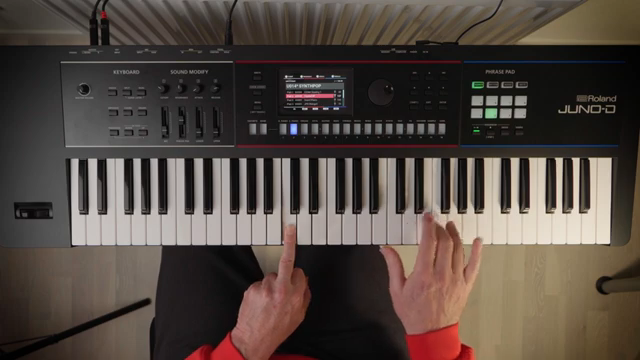
"That's your seamless sound transition, pretty amazing."
© Screenshot/Quote: Woodypianoshack (YouTube)
One of the Juno-D’s secret weapons is its seamless sound transition. Woody demonstrates how you can switch between patches mid-performance without any of the usual digital hiccups—no cut-off tails, no glitchy effects, just smooth changes. It’s the kind of feature that turns a live set from amateur hour into a pro show.
Most keyboards in this price range will choke or stutter when you swap sounds, but not here. Woody’s delight is obvious, and if you’re a gigging musician who hates awkward silences, this alone might tip the scales in the Juno-D’s favour. It’s a small detail, but one that makes a massive difference on stage.
Sequencer Frustrations: The Wish List
Woody doesn’t hold back when it comes to the Juno-D’s sequencer shortcomings. The lack of swing, shuffle, and proper quantisation is a real pain, especially when you know other Roland gear (like the JD-XI) nails these basics. Everything’s locked to a rigid grid, and there’s no way to humanise your patterns or break out of the four-bar loop monotony. If you want to transpose your sequence on the fly, forget it—the keyboard will shift, but your sequence stays stubbornly put.
He points out that these missing features aren’t just nice-to-haves; they’re essential for anyone who wants to inject life and movement into their tracks. Woody’s even sent a feature request to Roland, hoping they’ll fix things in a future firmware update. Until then, you’ll have to get creative with live playing or just embrace the robotic groove.
Despite the gripes, Woody’s overall verdict is positive—the Juno-D is fun, sounds great, and gets the job done for synth pop and 80s heads. But if Roland ever listens and adds those missing sequencer tricks, this thing could go from solid to legendary overnight.
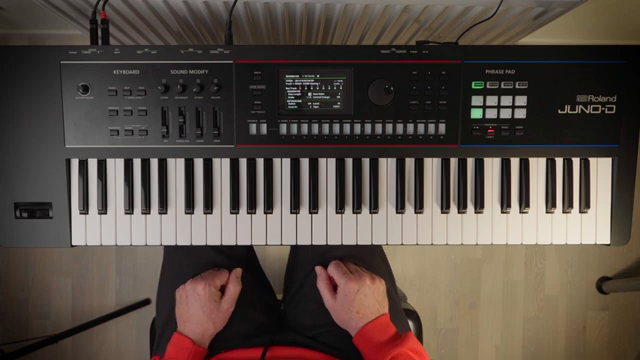
"There's a lack of a swing or shuffle sometimes it's called. There's no way to do that."
© Screenshot/Quote: Woodypianoshack (YouTube)
This article is also available in German. Read it here: https://synthmagazin.de/woody-piano-shack-entfesselt-das-juno-d-80er-synthwave-sequencer-frust-klanggold/
Watch on YouTube:
Latest articles
Watch on YouTube:
Visit the channel:
https://www.youtube.com/WoodyPianoShack
https://www.youtube.com/WoodyPianoShack
Links from WoodyPianoShack:
Website: https://woodypianoshack.com
Patreon: https://patreon.com/woodypianoshack
Twitter: https://twitter.com/woodypianoshack
Instagram: https://instagram.com/woodypianoshack
Facebook: https://facebook.com/woodypianoshack
Sponsored links:
If you purchase via these links, we may earn a small commission – at no extra cost to you. The link opens an Amazon keyword search, and results may vary depending on availability.
Roland JUNO-D
🔗 Check price on Amazon
🔗 Check price on Amazon