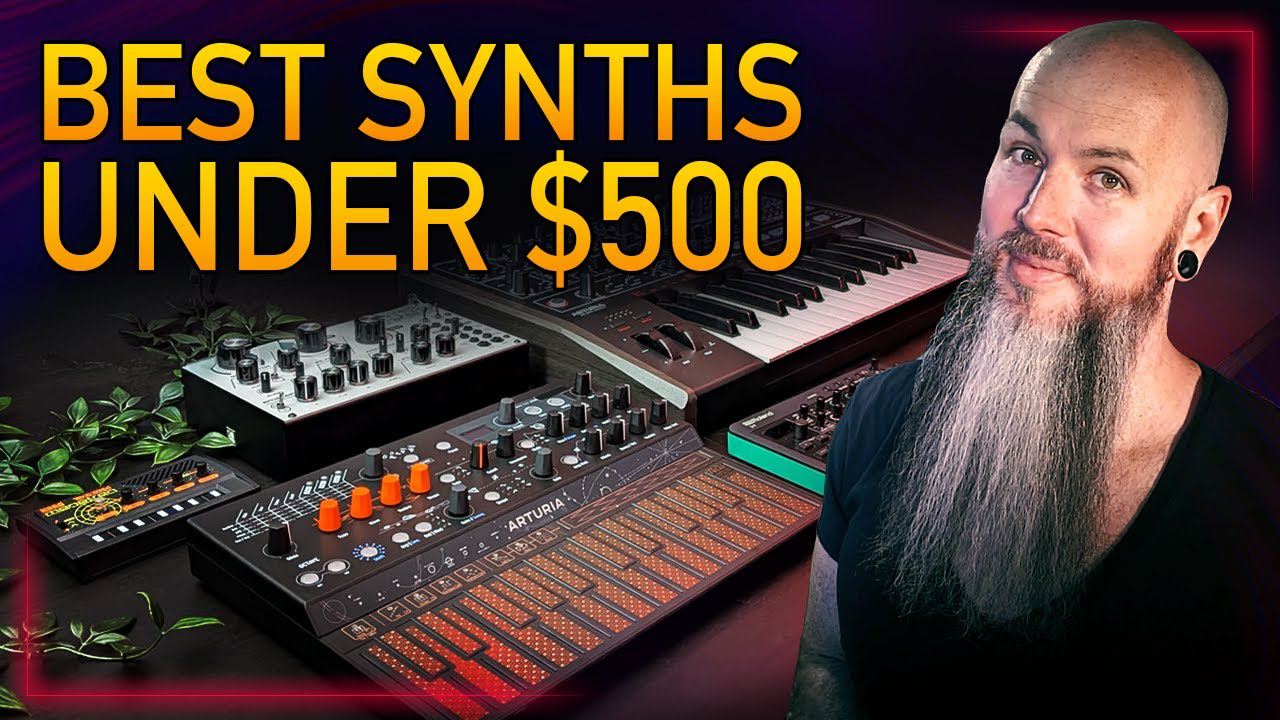
Ever tried to build a killer beat rig with the cash you found in your couch cushions? Vulture Culture’s got your back. In this wild ride through the best synths under $500, he slices through the spec-sheet hype and gets straight to what matters: real-world sound that slaps in a mix. Whether you’re hustling for a $70 analog noise box or eyeing a semi-modular beast, this video breaks down which boxes deliver the most bang (and bass) for your buck. If you want honest, no-nonsense picks and sound demos that’ll make your next track hit harder than a late-night taco run, you’re in the right place.
12. December 2025
RILEY
Vulture Culture’s $500 Synth Smackdown: Streetwise Picks for Every Budget
Arturia MicroFreak, Arturia Minibrute 2, Dreadbox Hades Reissue, Korg Modwave, Korg Monotron Delay, Korg OPSIX, Korg Wavestate, Roland AIRA Compact S-1
Broke? No Problem: Synths for Every Wallet
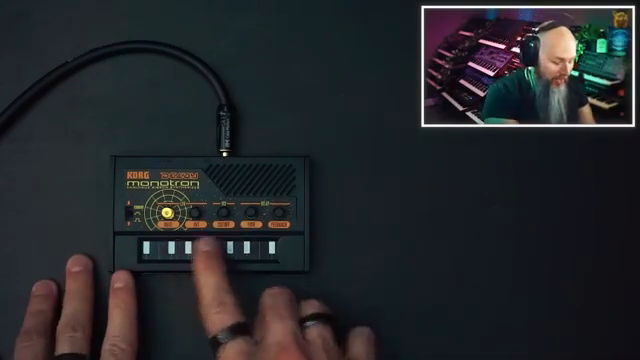
Let’s be real—most of us aren’t swimming in cash, but that doesn’t mean you gotta settle for plastic toys that sound like a broken doorbell. Vulture Culture kicks things off by proving you can score a legit synth for under $100. The Korg Monotron Delay is his pick, and yeah, it’s tiny, but it’s got a real analog filter and a BBD delay that’ll make your lo-fi dreams come true. This thing’s more stocking stuffer than studio centerpiece, but it’s got enough attitude to teach you the basics and still freak out your neighbors.
As the price tiers climb, the picks get beefier. For each bracket—$100, $200, $300, $400, and $500—Vulture Culture drops a synth that actually holds up in a real mix, not just on paper. No spec-sheet flexing here; it’s about what sounds good and gets you making music fast. If you’re tired of gear snobs telling you to save up for a Jupiter, this video’s your new gospel. Every pick is about stretching your dollar until it screams, and honestly, some of these boxes punch way above their weight class.
Mix-Ready Magic: Why These Picks Matter
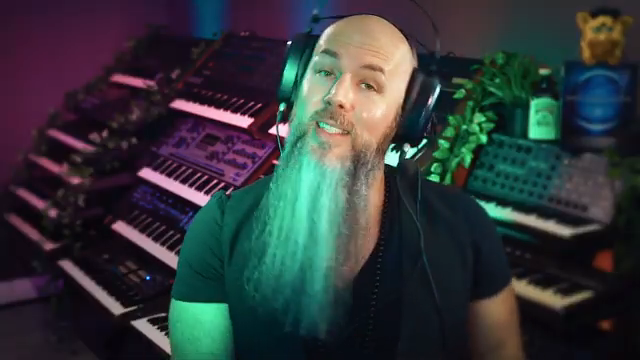
Forget the nerdy spec wars—Vulture Culture’s all about how these synths actually sit in a track. He’s testing every box as a working producer, not just a YouTube reviewer with too much time on his hands. The main thing? Mix-readiness. If a $300 synth can outshine a $1,000 monster in a beat, that’s the one you want. The picks here aren’t just cheap—they’re chosen because they sound finished with minimal tweaking, letting you get back to making bangers instead of reading manuals.
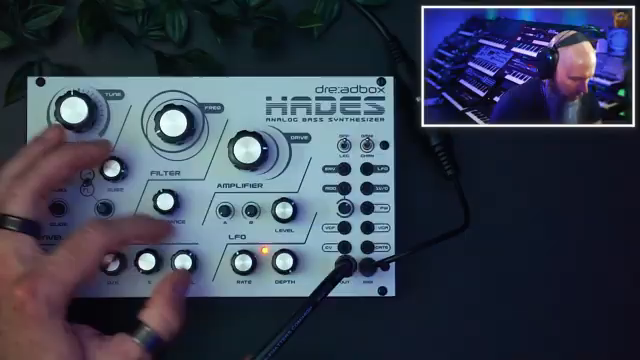
He’s also big on workflow speed and tone quality. The Roland S-1, for example, brings that SH-101 flavor with polyphony and a sequencer, making it a killer travel buddy or live rig addition. Meanwhile, the Dreadbox Hades is all about that raw, analog bass that’ll rattle your windows. Each synth is picked for its ability to deliver musical weight, not just a laundry list of features. If you want to impress your crew with a fat groove instead of a spreadsheet, you’ll vibe with these choices.
"The right $300 synth can outshine even a thousand dollar synth in a mix."
© Screenshot/Quote: Vultureculture (YouTube)
Sound Demos: The Proof Is in the Bleeps
"Unrepentantly monstrous."
© Screenshot/Quote: Vultureculture (YouTube)
You know what really matters? How these things sound when you hit record. Vulture Culture doesn’t just talk the talk—he drops in-depth demos for every pick, showing off what each synth can do in real-world setups. From gritty basslines to glassy pads, you get to hear how these boxes flex in different genres and contexts. The MicroFreak, for example, gets pushed through its paces with everything from FM weirdness to lush chords, while the MiniBrute 2 shows off its patch bay with some gnarly modular tricks.
But let’s be honest—no article can do these demos justice. You gotta hear the filter sweeps, the analog drive, and the wild modulation for yourself. If you want to know how these synths really sound in a beat, you’ll want to check out the video. Trust me, your subwoofer will thank you.
Analog Grit & Digital Firepower: Standout Features
The Korg Monotron Delay is the analog underdog here—tiny, noisy, and full of attitude. It’s got a filter based on the classic MS-20, a BBD delay for those haunted-house vibes, and enough weirdness to keep both beginners and synth veterans entertained. Sure, you won’t be playing Mozart on it, but you’ll get a crash course in analog basics and a whole lot of fun for your $70.
On the flip side, the Arturia MicroFreak is a digital playground with 21 oscillator engines and a real analog filter. It’s got a PCB keyboard with polyphonic aftertouch, a mod matrix, and enough sound design options to keep you busy till next year. If you want a synth that can do bass, leads, pads, and even drums—all with its own flavor—the MicroFreak’s your ticket. Vulture Culture keeps it real about the learning curve, but if you’re down to get weird, this box delivers.
"It's about having a lot of fun with a few ingredients that give you this great analog tone and take you to places you weren't expecting to go."
© Screenshot/Quote: Vultureculture (YouTube)
Used Gear Hustle: More Synth for Less Bread
"If you want more voices, I'd recommend actually buying a used WaveState or OP6 off of the Guitar Center market."
© Screenshot/Quote: Vultureculture (YouTube)
Not satisfied with just the new stuff? Vulture Culture drops some streetwise advice: hit up the used market for even more bang for your buck. He shouts out Guitar Center’s used and vintage network, where you can snag polyphonic beasts like the Korg Wavestate, Modwave, or Opsix for under $500. The best part? You get a solid return policy, so you’re not stuck with a lemon if it doesn’t vibe with your setup.
Buying used isn’t just about saving cash—it’s about getting pro-level features without selling your sneaker collection. Vulture Culture’s been around the block and knows the pain of sketchy returns on eBay or Reverb, so his advice is gold. If you want more voices, more power, and less risk, the used route is where the real hustlers shop. Don’t sleep on it.
This article is also available in German. Read it here: https://synthmagazin.at/vulture-cultures-500-synth-battle-streetwise-tipps-fuer-jedes-budget/
Watch on YouTube:
Latest articles
Watch on YouTube:
Visit the channel:
https://www.youtube.com/VultureCulture
https://www.youtube.com/VultureCulture
Links from VultureCulture:
Plugins, Patches + Samples: https://vultureculture.live
Instagram: https://nstagram.com/vultureculturelive/
Sponsored links:
If you purchase via these links, we may earn a small commission – at no extra cost to you. The link opens an Amazon keyword search, and results may vary depending on availability.
Arturia MicroFreak
🔗 Check price on Amazon
🔗 Check price on Amazon
Arturia Minibrute 2
🔗 Check price on Amazon
🔗 Check price on Amazon
Dreadbox Hades Reissue
🔗 Check price on Amazon
🔗 Check price on Amazon
Korg Modwave
🔗 Check price on Amazon
🔗 Check price on Amazon
Korg Monotron Delay
🔗 Check price on Amazon
🔗 Check price on Amazon
Korg OPSIX
🔗 Check price on Amazon
🔗 Check price on Amazon
Korg Wavestate
🔗 Check price on Amazon
🔗 Check price on Amazon
Roland AIRA Compact S-1
🔗 Check price on Amazon
🔗 Check price on Amazon