Voltage Labs invites us to drift through the fog of history, tracing techno’s spectral journey from Detroit’s abandoned bones to Berlin’s concrete cathedrals and beyond. This is not a mere recounting of beats and machines, but a meditation on how sound becomes survival—a rebellion blooming in the cracks of industry and ideology. Through poetic narration and evocative visuals, Voltage Labs weaves a tale of sonic ghosts, magnetic resistance, and the persistent shimmer of community. Techno emerges as both artifact and atmosphere, a movement that exhales fractured light and refuses to fade.
4. March 2026
LUMINA
Voltage Labs: Techno’s Machine Dream – From Detroit’s Ruins to Global Pulse
Detroit: Where Decay Sparks the Pulse
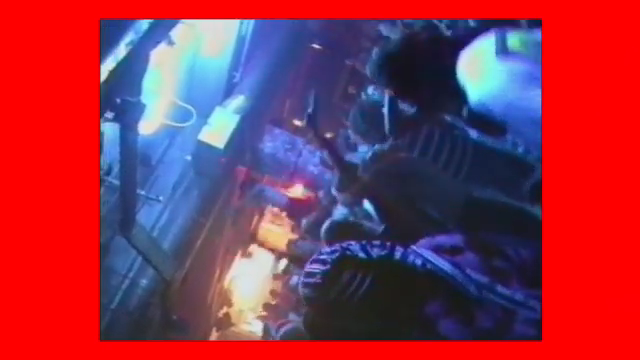
In the shadowed aftermath of Detroit’s industrial collapse, creativity flickered like static on a broken radio. The city’s abandoned infrastructure became a canvas for sonic invention, where the air itself seemed charged with possibility and loss. Here, the Electrifying Mojo’s broadcasts stitched together Kraftwerk’s robotic chill with the molten funk of Parliament, dissolving genre boundaries and seeding the future in the minds of restless youth.
From this magnetic field, the Belleville Three—Juan Atkins, Derrick May, and Kevin Saunderson—began to sculpt sound from the ruins. Drum machines and sequencers became their tools, channeling Afrofuturist dreams and mechanical melancholy into something deeply human. Detroit techno was born as a form of rebellion, a way to find beauty amid decay—a nebula of rhythm and hope, blooming where the world had turned gray.
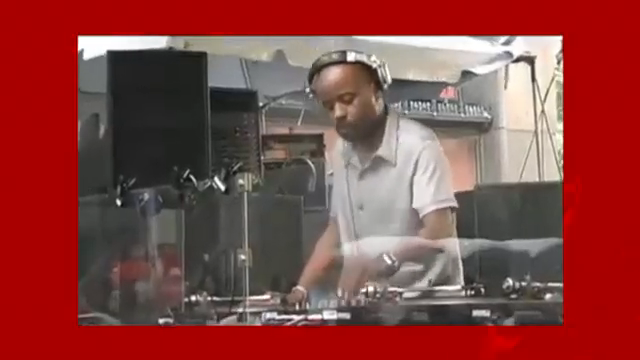
"Detroit Techno is Afrofuturistic, industrial, mechanical, but deeply human, a form of rebellion, a way of finding beauty amid decay."
© Screenshot/Quote: Voltage Labs (YouTube)
Berlin’s Sonic Playground: Rebirth in Ruins
"Frankfurt frames techno not as pop, not as entertainment, but as total immersion."
© Screenshot/Quote: Voltage Labs (YouTube)
As the Wall crumbled, Berlin’s empty vaults and power plants became pressure chambers for a new kind of ritual. The city, once divided, now pulsed with anarchic energy—spaces waiting to be reactivated by the relentless drive of techno. Clubs like Omen and Tresor transformed industrial grit into immersive sanctuaries, where the dancefloor became a site of total surrender and collective joy.
The Berlin-Detroit axis emerged, a conduit for ideas, artists, and machines. Here, techno was not mere entertainment but an act of reclamation—a way to turn scars into sanctuaries. The Love Parade spilled into the streets, not for charts but for sheer unity, as hundreds of thousands moved as one under the banner of peace, joy, and pancakes. The city’s ruins sang with new life, each beat a heartbeat in the body of a reawakened metropolis.
Berghain: The Cathedral of Concrete Reverence
By the mid-2000s, techno found its cathedral in Berghain—a towering former power plant where time seemed to dissolve within concrete walls. Inside, the music was hypnotic and industrial, a dark river flowing through the bones of the city. Residents like Marcel Dettmann and Ben Klock became high priests of this new Berlin sound: minimal, unrelenting, and magnetic.
Recognition came not just from dancers but from the state itself, as German courts certified Berghain as a cultural institution, worthy of the same reverence as an opera house. Here, techno was sanctified—a machine dream elevated to art, echoing with the ghosts of industry and the promise of transcendence. The club’s mythos grew, its rituals drawing pilgrims from every corner of the globe.
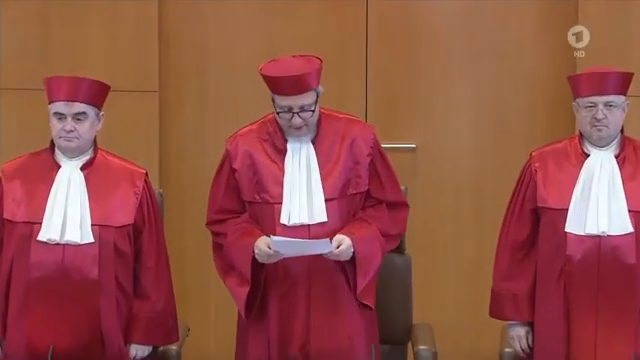
"It's not just an amusement venue, but a place for serious art, deserving of the same tax breaks as an opera house."
© Screenshot/Quote: Voltage Labs (YouTube)
Digital Drift: Techno’s Global Transmission
As the physical world raved, the digital realm awakened. Boiler Room’s webcam streams beamed the underground into bedrooms and villages worldwide, turning techno into a global language. The genre’s pulse leapt from Detroit and Berlin to Tbilisi, where clubs like Bassiani and Khidi became sanctuaries for resistance, identity, and youth culture.
When police raided Bassiani, protesters danced on the steps of parliament, transforming rhythm into political defiance. Techno’s digital transmission blurred borders, making every screen a portal, every set a spark for connection. The music became both shield and signal—a technology of feeling, resonating across continents and cultures.
Still Pulsing: Techno’s Enduring Spirit
"It's a movement. A technology of feeling. A machine dream. Still pulsing. Still evolving."
© Screenshot/Quote: Voltage Labs (YouTube)
Even as techno’s aesthetic of resistance became marketable, its core remained—a paradox humming beneath the surface. Booking agencies, branded festivals, and influencer DJs may have professionalized the scene, but the music’s primal urgency still flickers in the dark. The pandemic’s silence only amplified its resonance, as a new generation discovered hard techno and nostalgia through the glow of TikTok and ring lights.
Techno endures as a movement, a machine dream that refuses to be contained. From Detroit’s static to Berlin’s concrete, from Tbilisi’s protests to digital feeds, it remains a persistent voice of rebellion and community—a nebula that continues to bloom, pulsing with the promise of release and connection. Some stories, like this one, are best felt in the vibration of the bass and the shimmer of strobe-lit faces—Voltage Labs reminds us that the real magic is always waiting in the next beat.
This article is also available in German. Read it here: https://synthmagazin.at/voltage-labs-techno-als-maschinen-traum-von-detroits-ruinen-zum-globalen-puls/
Watch on YouTube:
Latest articles
Watch on YouTube:
Visit the channel:
https://www.youtube.com/voltage_labs
https://www.youtube.com/voltage_labs
Links from voltage_labs:
instagram: https://www.instagram.com/voltage.labs