Voltage Labs guides us through the fog-lit dance floors of 1990s Paris, where French house was born in a swirl of disco dust and glimmering circuitry. Here, music is not just heard—it pulses, it breathes, it shimmers through the haze of sampled grooves and magnetic compression. This is a story where machines become storytellers and every filtered beat echoes with cultural resonance. Step inside the narrative; let the ghosts of Stardust and Daft Punk draw you into the heart of the French Touch.
14. September 2026
LUMINA
Voltage Labs and the Alchemy of French House: A Sonic Tapestry Unveiled
Alesis 3630, Emu SP1200, Ensoniq ASR-10, Ensoniq DP-4, Roland TR-909
Parisian Nightfall: The Birth of a Sonic Mirage
In the twilight of the 1990s, Paris became a crucible where disco’s spectral remnants mingled with the restless pulse of house and techno. Clubs, thick with sweat and possibility, became laboratories for a new sound—one that felt both lived-in and otherworldly. Here, the boundary between past and present dissolved, as producers scavenged glittering fragments from American imports and fused them with homegrown bravado.
It was not just a genre’s genesis, but a response—an echo to the world outside and the inner yearnings of a generation. French house was raw, unfiltered, and gloriously imperfect: disco refracted through a cracked mirror, each flaw catching the light. Voltage Labs presents this birth as a fever dream, where the smoke never lifts and every beat is both a memory and a prophecy.
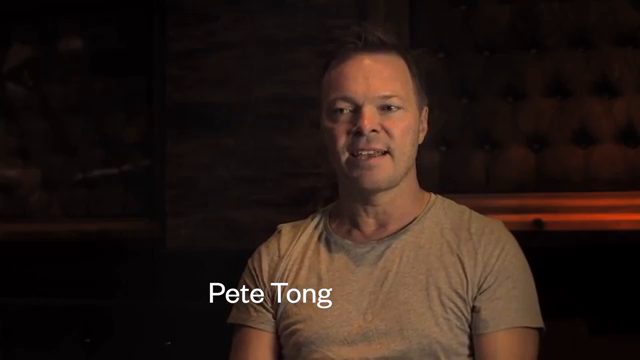
"It was like this cut up kind of dirty disco that was like distorted and it was kind of everything that was wrong about it made it great."
© Screenshot/Quote: Voltage Labs (YouTube)
Stardust and Daft Punk: Architects of Reverberation
Names like Daft Punk and Stardust are not just emblems—they are gravitational centers around which the French house nebula coalesced. Their records, forged in late-night camaraderie and vinyl dust, carried the scene from shadowy basements to neon-lit main stages. Stardust’s “Music Sounds Better with You” wasn’t just a song; it was an invocation, a sudden flare in the collective consciousness.
These pioneers, Voltage Labs reminds us, didn’t merely ride a wave—they sculpted it from the raw material of friendship and serendipity. Their collaborations were less about calculation and more about an unspoken alignment—moments when the groove arrived fully formed, demanding nothing but surrender. In their hands, the underground’s coded language became a universal dialect, reverberating far beyond Paris.
Machines with Memory: The Crunch and Pulse of Hardware
"A big part of it came from the disco and funk samples and deliberately transforming them through the limitations of contemporary hardware."
© Screenshot/Quote: Voltage Labs (YouTube)
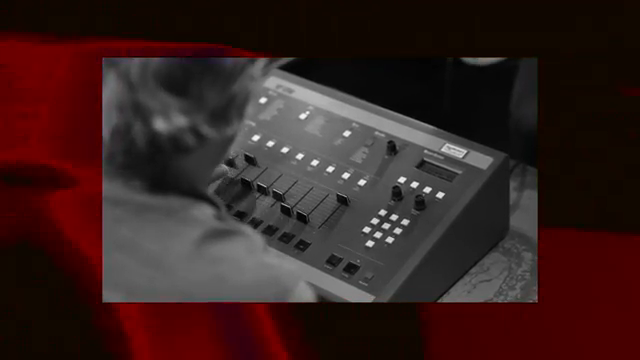
The French house sound is inseparable from its machines—samplers, drum boxes, and compressors that lent every bar a textured, breathing presence. Early digital samplers like the Emu SP1200 became portals, warping funk and disco into new, electrified forms. Drum machines, especially the 909, injected a heartbeat that was both mechanical and soulful, while the Alesis 3630 compressor squeezed the mix into a living, pulsing mass.
Voltage Labs lingers over these tools, not as cold artifacts but as companions—each with quirks that left fingerprints on the music. The process was tactile: records spun, grooves sampled, limits embraced. In this hands-on ritual, we see the art of elimination, of trusting the first flash of inspiration. The result is a sound that feels fiercely alive—crunchy, pumping, haunted by the ghosts of the source material and the dreams of its makers.
From House to Touch: Echoes Beyond the Underground
As the millennium turned, French house shed its underground skin and radiated outward, becoming the pulse of international pop. Tracks like Mojo’s “Lady” and Daft Punk’s “One More Time” blurred the line between club anthem and global phenomenon, transforming the genre into a movement—French Touch. This evolution wasn’t an ending, but a metamorphosis, as new artists and labels inherited the torch and infused it with harder, more distorted energies.
Voltage Labs paints this transition as both swan song and rebirth. The sound grew denser, wilder, yet retained the DNA of joyful experimentation. The lineage continued through figures like Pedro Winter and the Ed Banger roster, their music a collage of distortion, nostalgia, and audacious invention. The original spark, though, remained: the sense that every track was a love letter to the dancefloor and to the machines that made it possible.
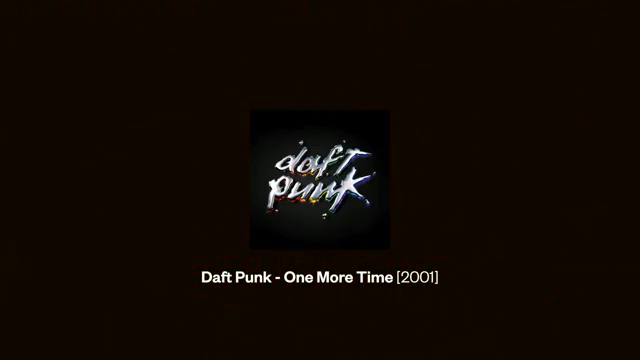
"Defpunk's discovery, including tracks like "One More Time", marked both the pinnacle of the movement and the beginning of something new, with a higher degree of refinement and originality."
© Screenshot/Quote: Voltage Labs (YouTube)
Sonic Storytelling: The Pulse That Endures
Voltage Labs’ video is a cinematic drift through memory and resonance, capturing not just facts but feelings—the flash of strobe lights, the grit of vinyl, the electricity of a community finding its voice. The story isn’t merely told; it’s felt, as if the basslines themselves have seeped into the celluloid of history. Some truths, the video suggests, can only be experienced: the shimmer of filtered samples, the thick presence of side-chained compression, the sense of collective creation. To witness this journey is to step onto the floor and let the sound carry you—part spectator, part participant, forever touched by the French house spell.
This article is also available in German. Read it here: https://synthmagazin.at/voltage-labs-und-die-alchemie-des-french-house-ein-aufgedecktes-klanggewebe/
More articles about these products:
 Voltage Labs: When Sound Becomes Liquid—The Emotional Journey of Sampling
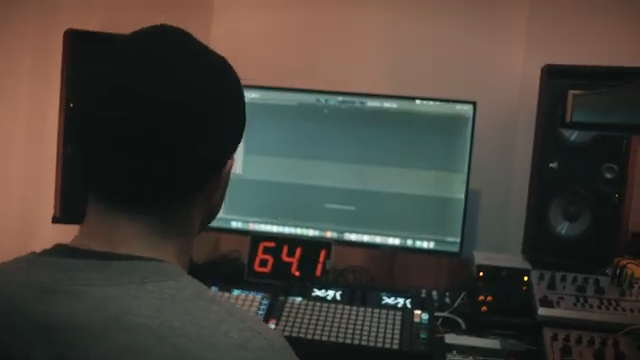 Voltage Labs x Space Dimension Controller: Amsterdam Studio Tour with Sampler Obsession and Acid Tech Tricks
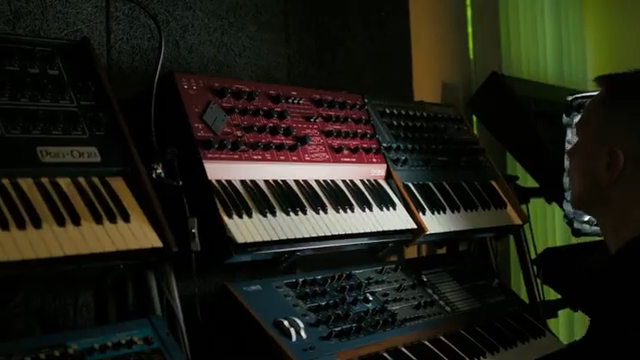 Optoproductions Illuminates the Sonic Tapestry of Allert Aalders: A Journey Through Dutch Synth Lore
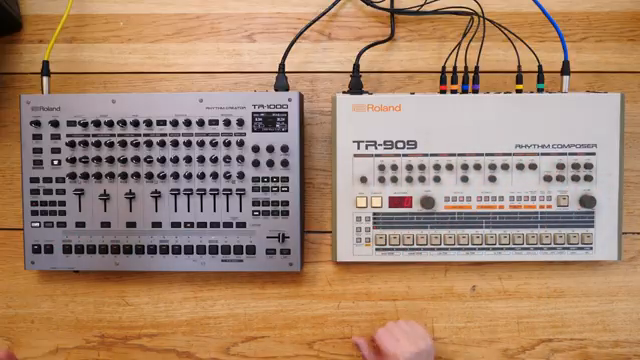 Starsky Carr Throws Down: TR-1000 vs TR-909 – The Real Drum Machine Face-Off
 Starsky Carr’s Gridlock II Review: MIDI Mayhem, Sorted
 Bonobo’s Sonic Cartography: MusicRadar Tech Guides Us Through the Fog of ‘Kiara’
 AudioPilz’s Techno Rumble Odyssey: No Computer, No Problem
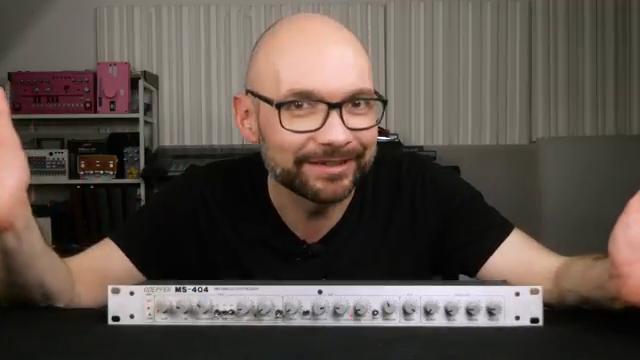 AudioPilz Takes Us Gazing at the 90s Dance Music Setup
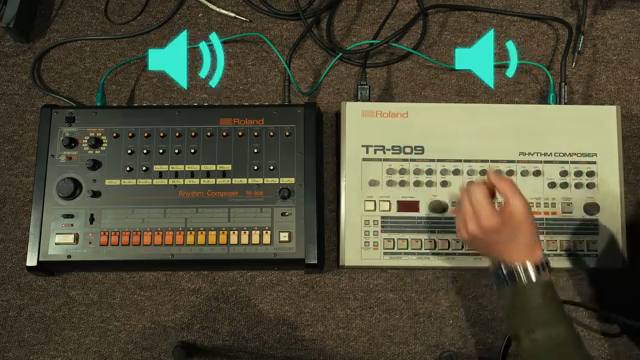 AlexBallMusic Electrifies with the TR-909
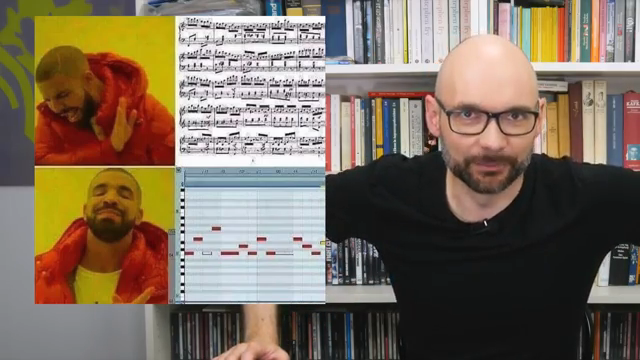 AudioPilz Takes Us on a Slap-Happy Stroll Through MIDI Land
Watch on YouTube:
Latest articles
Watch on YouTube:
Visit the channel:
https://www.youtube.com/voltage_labs
https://www.youtube.com/voltage_labs
Links from voltage_labs:
instagram: https://www.instagram.com/voltage.labs
Sponsored links:
If you purchase via these links, we may earn a small commission – at no extra cost to you. The link opens an Amazon keyword search, and results may vary depending on availability.
Alesis 3630
🔗 Check price on Amazon
🔗 Check price on Amazon
Emu SP1200
🔗 Check price on Amazon
🔗 Check price on Amazon
Ensoniq ASR-10
🔗 Check price on Amazon
🔗 Check price on Amazon
Ensoniq DP-4
🔗 Check price on Amazon
🔗 Check price on Amazon
Roland TR-909
🔗 Check price on Amazon
🔗 Check price on Amazon