If you’ve ever wondered why some beats hit like a brick through a pawn shop window, you need to peep this one. Verysickbeats (aka JFilt) takes us on a wild ride through the sample trenches, celebrating 20 years of J Dilla’s Donuts and schooling us on the real difference between replaying and flipping samples. This isn’t your average history lesson—it’s a streetwise breakdown of how legends like Dilla and Q-Tip navigated the sample clearance minefield. Expect tales of lawsuits, label headaches, and creative hacks that’ll make you want to fire up your DAW and get grimy. If you’re about that lofi, boombap, or just want to dodge a $100k lawsuit, this is your jam.
8. February 2026
RILEY
Verysickbeats Breaks Down Dilla’s Donuts: Sampling, Replays, and Beatmaker Street Smarts
Bass (Verysickbeats Music Library), ES2 Synth, VerySickMidi Drums
Donuts: The Beat That Changed the Game
Let’s set the scene: it’s Dilla month, and the legendary Donuts album just turned 20. Verysickbeats kicks things off by asking the realest question—should producers replay samples more often? He’s not just talking theory; he’s digging into how Donuts wasn’t just a record, but a turning point for beatmakers everywhere. This album didn’t just slap, it rewrote the rules for what you could do with a sampler and a stack of dusty records.
Dilla’s approach was all about flipping expectations and dodging industry landmines. Verysickbeats highlights how Donuts was more than just a collection of beats—it was a statement. The album’s raw, chopped-up vibe showed producers you didn’t need to play it safe or follow the mainstream. Instead, you could take risks, bend the rules, and still come out with something iconic. If you’re looking for a blueprint on how to make your own lane, Donuts is still the mixtape to study.
Major vs. Indie: The Sample Clearance Hustle
Here’s where things get spicy. Verysickbeats dives into the saga of the ESG “UFO” sample—used by both Q-Tip and Dilla, but under totally different circumstances. When Dilla worked on Q-Tip’s “Let’s Ride,” the sample couldn’t get cleared, so he had to replay it himself. Why? Because major labels don’t play around when it comes to lawsuits. We’re talking six-figure threats for a tiny sound bite. That’s the kind of pressure that’ll make you rethink your whole workflow.
Fast forward to Dilla’s own “Geek Down” on Donuts, and it’s a whole different ballgame. Released on indie label Stones Throw, Dilla just grabbed the raw sample and ran with it. No replay, no clearance, just pure beatmaker guts. Verysickbeats breaks down how indie labels give you more freedom to get creative (or sneaky), while majors want everything by the book. If you ever wondered why some tracks sound raw and others sound sanitized, this is the reason.
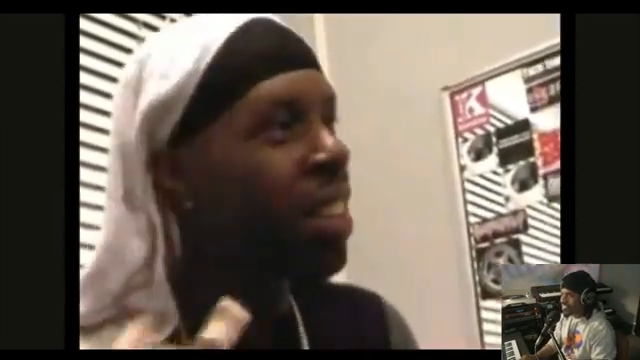
"This is why people are not wanting to sample much anymore, man."
© Screenshot/Quote: Verysickbeats (YouTube)
Replay Isn’t Cheating—It’s Artistry
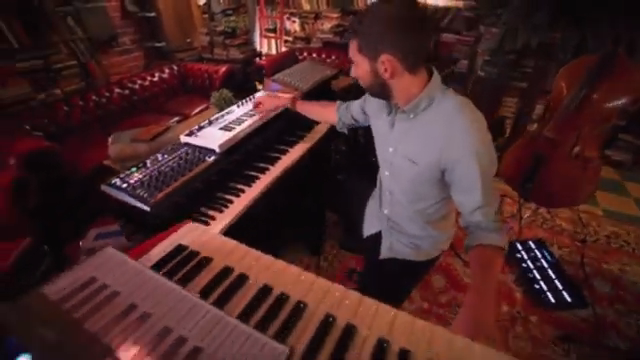
"Should we replay samples? My answer is yes, because it's a learning tool."
© Screenshot/Quote: Verysickbeats (YouTube)
A lot of folks think replaying a sample is just a shortcut to dodge lawyers, but Verysickbeats flips that idea on its head. He shows how replaying can actually be a creative tool—a way to learn, experiment, and put your own spin on a classic sound. By rebuilding the UFO sample from scratch using synths and effects, you’re not just copying, you’re leveling up your skills and making something new.
It’s not about being a copycat; it’s about understanding the DNA of a groove and then mutating it into your own monster. Verysickbeats isn’t shy about showing his process, tweaking synths, adding distortion, and bending notes until it feels right. It’s a reminder that the real magic happens when you stop worrying about the rules and start chasing the vibe.
Flip It Like Dilla: The Power of Sample Interpretation
Now we’re deep in the lab. Verysickbeats cracks open the Scratch magazine and drops some Dilla wisdom: Donuts was about flipping records nobody thought you could rap on. The lesson? Don’t just chase the obvious samples—find weird grooves, twist them up, and make them yours. Dilla’s legacy is all about pushing boundaries, and this video shows how you can do the same.
The beatmaking demo is pure gold. Starting with a synth mimic of the UFO sample, Verysickbeats layers drums, bass, and effects until the groove is undeniable. He’s not worried about perfection—he’s chasing inspiration. The process is messy, experimental, and totally authentic. You can almost smell the burnt circuits and hear the neighbors banging on the wall.
If you want to see how sample flipping really works, you gotta watch the video. There’s only so much you can get from reading—hearing those sounds come together is a whole different vibe. Trust me, your next beat will thank you.
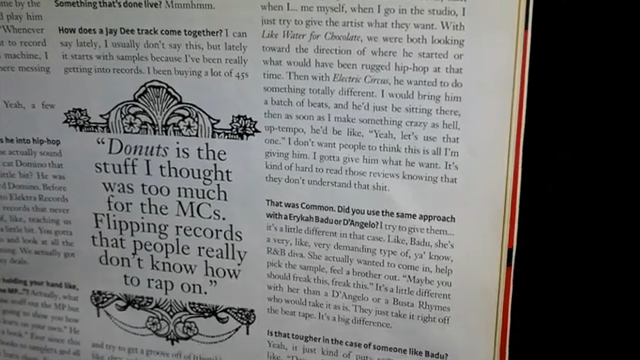
"He was basically saying, "I'm about to do some beats that y'all not even ready for, but I'm still going to put it out there.""
© Screenshot/Quote: Verysickbeats (YouTube)
Keep the Legacy Alive: Your Turn to Flip
Verysickbeats wraps it up with a challenge: try replaying the UFO sample yourself, or better yet, flip it your own way. The point isn’t to copy Dilla—it’s to keep the spirit alive by experimenting, messing up, and finding your own sound. If you’ve ever wanted an excuse to get weird with your samples, this is it. The legacy lives on every time a new beatmaker takes a risk and drops something fresh.
This article is also available in German. Read it here: https://synthmagazin.at/verysickbeats-zerlegt-dillas-donuts-sampling-replays-und-beatmaker-strassenwissen/
Watch on YouTube:
Latest articles
Watch on YouTube:
Visit the channel:
https://www.youtube.com/Verysickbeats
https://www.youtube.com/Verysickbeats
Links from Verysickbeats:
Patreon: https://patreon.com/verysickbeats
Instagram: https://instagram.com/verysickbeats
Twitter: https://twitter.com/jfilt
Twitch: https://twitch.tv/verysickbeats
Discord: https://discord.com
Sponsored links:
If you purchase via these links, we may earn a small commission – at no extra cost to you. The link opens an Amazon keyword search, and results may vary depending on availability.
Bass (Verysickbeats Music Library)
🔗 Check price on Amazon
🔗 Check price on Amazon
ES2 Synth
🔗 Check price on Amazon
🔗 Check price on Amazon
VerySickMidi Drums
🔗 Check price on Amazon
🔗 Check price on Amazon