UDO Audio’s Super 6 is already known for its lush, hybrid sound—but in this official walkthrough, Hazel reveals a lesser-known LFO 1 feature that injects unpredictability and depth into your patches. By tapping into a hidden bank of alternative waveforms, users can push modulation far beyond the standard fare, opening up new textural and rhythmic possibilities. The video methodically demonstrates how these irregular LFO shapes can transform filter sweeps, VCA dynamics, and more, while also exploring phase, delay, and one-shot tricks. For anyone interested in the true architectural power of the Super 6, this is a must-watch deep dive into modulation workflows.
25. November 2025
LYRA
UDO Audio’s Super 6: Unlocking LFO 1’s Secret Modulation Arsenal
A Synth with Secrets: Super 6’s Hidden Modulation Character
The UDO Super 6 is introduced as a versatile analog-hybrid polysynth, but this video quickly pivots to a feature that many users may have overlooked: a hidden modulation capability within LFO 1. Hazel, the presenter, sets the stage by emphasizing how this under-the-radar function can bring an extra layer of character and unpredictability to your patches—something that goes beyond the expected palette of standard LFO shapes.
This hidden gem isn’t just a minor tweak; it’s positioned as a workflow enhancer for those who want to push the Super 6’s modulation architecture further. By accessing alternative waveforms not shown on the main selector, users can unlock new sonic territory, giving their patches a unique, evolving quality that stands out in both studio and live contexts.
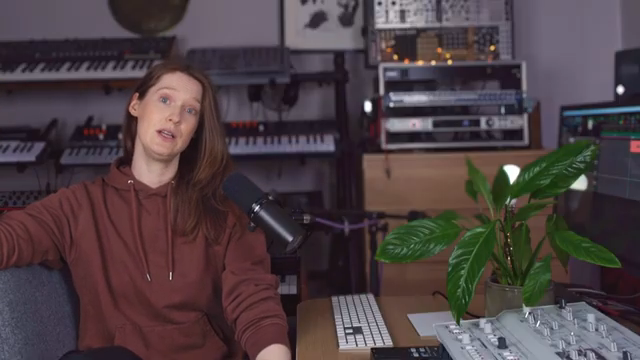
"It's what's going to give your patches even more character."
© Screenshot/Quote: Udo Audio (YouTube)
Irregular Waveforms: LFO 1’s Alternative Modulation Bank
"A waveform that is much more irregular and unpredictable in its cycle and therefore creates some really interesting modulation."
© Screenshot/Quote: Udo Audio (YouTube)
Diving into the architecture, Hazel explains that LFO 1 on the Super 6 isn’t limited to the visible waveforms on its selector. Instead, there’s an entire bank of alternative, irregular waveforms—each with its own unpredictable cycle and harmonic richness. These shapes aren’t just for show; they’re designed to inject complexity and surprise into your modulation paths.
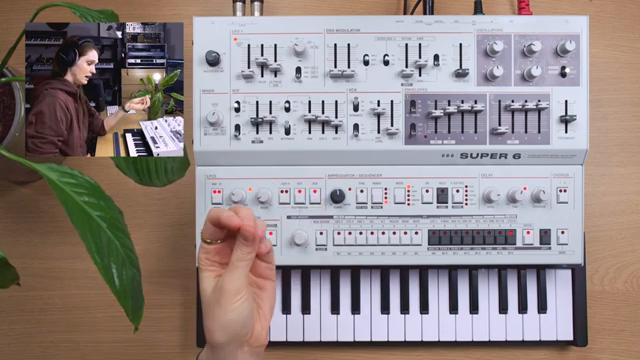
The process for accessing these waveforms is straightforward: hold shift and nudge the LFO 1 waveform selector left or right to assign an alternative shape. This opens up a world of modulation possibilities, as these waveforms can impart overtones and rhythmic quirks that standard LFOs simply can’t achieve.
From Filters to VCA: Real-World Modulation Demonstrations
The video doesn’t just talk theory—it delivers hands-on demonstrations. Hazel starts by routing these alternative LFO 1 waveforms to modulate the filter cutoff, showcasing how the irregularity adds nuance and evolving detail, especially at slower rates. When the speed is increased, the modulation takes on a rhythmic, almost sequencer-like quality, highlighting the versatility of these waveforms.
Beyond the filter, Hazel explores modulating pitch, VCA, and even pulse width on oscillator 2 (DDS 2). Each destination responds differently to the alternative waveforms, producing everything from tape-like warble to stepped, wasp-like effects. Cycling through various shapes and speeds, the Super 6 reveals a broad spectrum of modulation-driven sound design, all accessible from this hidden LFO bank.
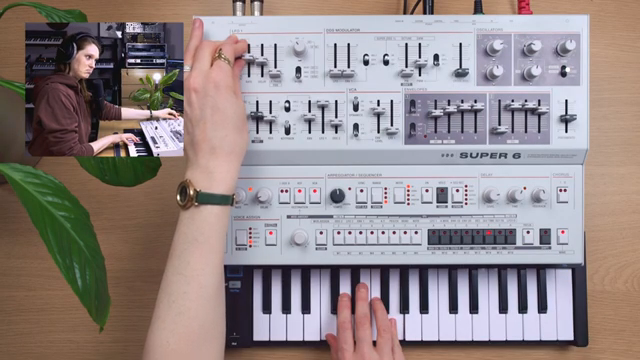
"Quite interesting rhythmically actually."
© Screenshot/Quote: Udo Audio (YouTube)
Phase, Reset, and Delay: Deepening the Modulation Matrix

"It's quite a different effect and I think both sound great actually, it just depends on what you're after."
© Screenshot/Quote: Udo Audio (YouTube)
UDO’s modulation system doesn’t stop at waveforms. Hazel highlights additional features within LFO 1 that further expand creative potential. By toggling between reset and free modes, users can decide whether the LFO retriggers with each note or runs continuously, dramatically affecting the movement and cohesion of modulation across voices.
Stereo depth is introduced via phase shifting, allowing the left and right channels to move out of sync for a wider, more immersive sound—especially noticeable on headphones. Modulation delay and one-shot (once) modes add even more architectural flexibility, enabling timed entrances and single-cycle modulations that interact with envelopes for intricate, layered effects.
An Invitation to Experiment: Emotive Modulation Awaits
As the walkthrough wraps up, Hazel encourages Super 6 users to dive into this hidden LFO 1 feature, arguing that it’s one of the most inspiring aspects of the instrument. The unpredictability and complexity of these alternative waveforms can lead to more emotive, evolving textures—qualities that are often elusive in digital-hybrid synths.
The message is clear: for those willing to explore beyond the obvious, the Super 6’s modulation architecture offers a playground of sonic possibilities. Whether you’re crafting cinematic pads, animated leads, or experimental textures, this hidden gem is well worth integrating into your workflow.
This article is also available in German. Read it here: https://synthmagazin.at/udo-audio-super-6-das-geheime-modulationsarsenal-von-lfo-1-entschluesselt/
Watch on YouTube:
Latest articles
Watch on YouTube:
Visit the channel:
https://www.youtube.com/udo_audio
https://www.youtube.com/udo_audio
Links from udo_audio:
website: https://www.udo-audio.com
instagram: https://www.instagram.com/udo_audio
Sponsored links:
If you purchase via these links, we may earn a small commission – at no extra cost to you. The link opens an Amazon keyword search, and results may vary depending on availability.
UDO Super 6
🔗 Check price on Amazon
🔗 Check price on Amazon