UDO Audio, the Bristol-based synth wizards, are known for their lush, hands-on polysynths, but in this video, they take the Super 6 into unexpected percussive territory. Hazel Mills demonstrates how to coax a full mini drum kit—kick, snare, hats, and toms—entirely from the Super 6’s own synthesis engine. Through clever envelope shaping, pitch modulation, and judicious use of noise, the Super 6 transforms from a polyphonic powerhouse into a surprisingly capable drum machine. If you’ve ever wondered how far a synth can be pushed into drum duties, this session is a patcher’s delight.
9. December 2025
MILES
UDO Audio’s Super 6: Crafting a Complete Drum Kit from Scratch
From Polyphonic Powerhouse to Percussive Playground
Hazel Mills opens the session by introducing the UDO Super 6 not as a traditional polysynth, but as the sole sound source for an entire drum kit. This isn’t your standard preset browsing—every drum sound is to be sculpted from scratch using the synth’s own architecture. The approach highlights the Super 6’s flexibility, inviting users to think beyond lush pads and leads and into the realm of rhythm creation.
UDO Audio’s ethos of playfulness and immediacy is on full display here. The video promises a journey through envelope tweaking, oscillator selection, and filter manipulation, all in service of building a convincing set of electronic drums. For anyone accustomed to modular workflows, this is a familiar mindset: treat the instrument as a blank canvas and see how far you can push its circuitry.
Envelope Alchemy: Shaping Kicks, Snares, Hats, and Toms
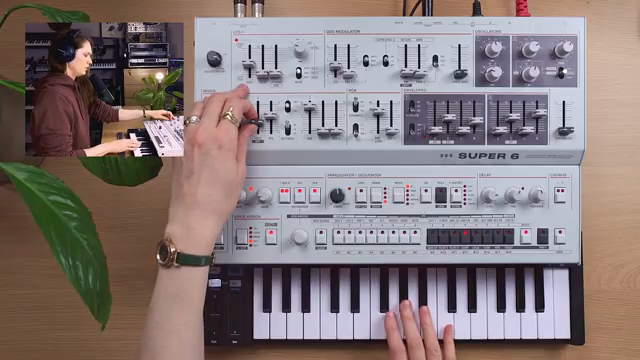
The process begins with a kick drum, starting from an init patch. Hazel dials down sustain and shortens decay on the envelope, ensuring the sound is punchy and percussive. By setting DDS 1 to a square wave and experimenting with envelope-driven pitch modulation, she achieves a classic electronic kick flavour. There’s a nod to two main techniques—modulating pitch with the envelope for that familiar drum machine snap, and alternatively, modulating the filter with high resonance to generate a pitched thump.
Combining these two approaches yields a more complex kick, with careful balancing of cutoff, envelope decay, and modulation depth. The snare follows, using noise as the primary ingredient, but with a subtle sine wave layered in and pitch-modulated for tonal interest. The hi-hats are derived by further shortening decay and high-passing the noise, while toms are created by tweaking the snare patch, focusing on pitch modulation and filter settings to cover a range of tom sounds.
Throughout, the emphasis is on hands-on parameter adjustment—each drum voice is the result of deliberate, iterative tweaking. The Super 6’s envelopes and filters prove central to shaping both the transient and body of each drum, echoing classic subtractive synthesis techniques with a modern twist.
"There are two approaches to this. Actually, I think combining the two works very well on this synth."
© Screenshot/Quote: Udo Audio (YouTube)
Pitch, Noise, and Nuance: Sound Design in Action
A recurring theme in the video is the use of pitch modulation to add life and realism to drum sounds. For kicks, envelope-driven pitch sweeps mimic the acoustic attack of a drum head. Snares benefit from a blend of noise and a sine oscillator, with subtle pitch modulation to emulate the natural decay of a real snare’s tone. Hazel demonstrates how even minor adjustments to modulation depth or envelope shape can dramatically alter the character of a drum.
Noise is the backbone of both snare and hi-hat sounds. By isolating noise and adjusting decay and filter cutoff, a convincing hi-hat emerges—short and crisp for closed hats, longer for open variations. Toms are shaped by returning to pitched oscillators, with the filter opened up and a touch of noise blended in for texture. The interplay between pitch, noise, and filter settings is where the Super 6’s sound design potential shines.
The video underscores the importance of experimentation—trying different oscillator shapes, envelope timings, and modulation routings to find the sweet spot for each drum. It’s a process that rewards patience and a willingness to tweak, much like patching up a modular drum voice from discrete modules.
Mixing and Balancing: The Art of Drum Cohesion
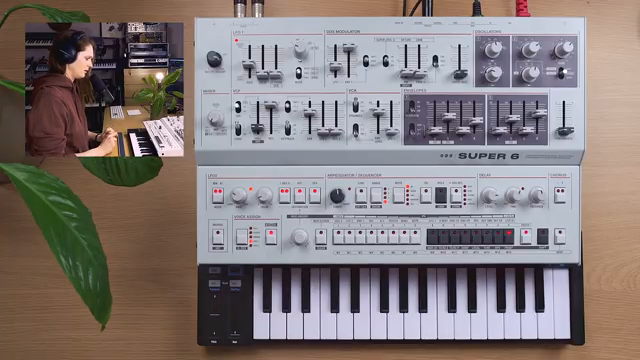
"What is key is going to be the very subtle, careful balance between what you have the cutoff set to, what you have the decay of the envelope set to, and how much the envelope is modulating."
© Screenshot/Quote: Udo Audio (YouTube)
Hazel stresses that achieving a cohesive drum kit isn’t just about designing individual sounds—it’s about balancing parameters across all voices. Careful adjustment of envelope decay, filter cutoff, and modulation amounts ensures that each drum sits well with the others, avoiding frequency clashes and muddiness. High-passing the snare and toms, for example, helps carve out space for the kick, while subtle drive adds snap and presence.
Mixing within the synth itself is a subtle art, especially when crafting multiple drum voices from a single architecture. The video demonstrates that with attentive parameter balancing, the Super 6 can deliver a surprisingly tight and punchy kit, ready for sampling or live use.
Sampling the Results: From Synth to Beat
With the kit patches saved, Hazel moves on to recording and sampling each drum sound. These are then loaded into a drum sampler and sequenced into a beat, showcasing the Super 6’s utility beyond traditional synth duties. The process highlights how a single synth can serve as the backbone for an entire rhythm section, especially when paired with modern sampling workflows.
The session wraps up with a quick beat demonstration, underlining the versatility of the Super 6. Whether you’re after classic synth textures or bespoke drum kits, this video makes a strong case for exploring the full sonic range of your gear—even if it wasn’t designed as a drum machine.
This article is also available in German. Read it here: https://synthmagazin.at/udo-audio-super-6-ein-komplettes-drumkit-aus-dem-nichts-erschaffen/
Watch on YouTube:
Latest articles
Watch on YouTube:
Visit the channel:
https://www.youtube.com/udo_audio
https://www.youtube.com/udo_audio
Links from udo_audio:
website: https://www.udo-audio.com
instagram: https://www.instagram.com/udo_audio
Sponsored links:
If you purchase via these links, we may earn a small commission – at no extra cost to you. The link opens an Amazon keyword search, and results may vary depending on availability.
UDO Super 6
🔗 Check price on Amazon
🔗 Check price on Amazon