Step into a world where basslines crawl like shadows and synths breathe with analog heat. In this immersive exploration, Tonepusher unravels the spectral Moog-style sounds that haunt Nine Inch Nails’ most iconic tracks. Each patch is a portal—inviting us to drift through industrial fog, dissecting the magnetic resonance that defined a generation of dark, electronic music. With poetic precision, Tonepusher guides us through the labyrinth of Trent Reznor’s sound design, revealing textures that shimmer, snarl, and dissolve into memory. For those who seek the soul of industrial synthesis, this journey is a must.
2. May 2026
LUMINA
Tonepusher Illuminates the Sonic Ghosts of Nine Inch Nails’ Moog Universe
Adam A7V, Behringer Model D, E-mu Emax, Moog Minimoog, Moog Poly D, Oberheim Expander, Oberheim OB-Mx, Sequential Prophet VS
Nebulae of Noise: The Moog Signature in NIN’s Sound
Nine Inch Nails’ sonic identity is carved from the raw, magnetic pulse of Moog-style synthesis—a force that crackles with electricity and mood. Tonepusher opens the portal by tracing the spectral fingerprints of these sounds, focusing on how basslines from tracks like “Head Like a Hole” exhale both menace and groove. The Moog’s presence is not just technical; it’s emotional, a dark river running beneath the surface of industrial anthems.
We are invited to listen not just with our ears, but with our skin—feeling the tactile grit of analog circuits and the way each note blooms like a slow-motion underwater explosion. Even when hardware is substituted for clones, as with the Behringer Model D, the essence remains: a sound that is both ancient and futuristic, pulsing with the ghosts of radio static and broken machines.

"Nine Inch Nails has some of the nastiest Moog-style sounds ever."
© Screenshot/Quote: Tonepusher (YouTube)
Blueprints of Dissonance: Dissecting Closer and Head Like a Hole
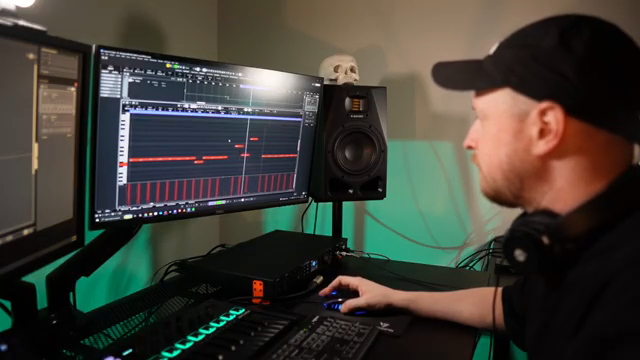
"Monitors are probably one of the most important thing when you're doing sound design."
© Screenshot/Quote: Tonepusher (YouTube)
Tonepusher drifts deeper, peeling back the layers of tracks like “Closer to God” and “Head Like a Hole.” The basslines here are not mere foundations—they are living organisms, mutating with every filter sweep and envelope tweak. The video reveals how the iconic 1/16th note rhythm in “Closer to God” becomes a mechanical heartbeat, while the groove of “Head Like a Hole” is distilled into a simple, irresistible pattern.
Sound design is not just about knobs and wires; it’s about capturing the spirit of a track. Tonepusher’s approach is methodical yet intuitive, showing how subtle changes in resonance and rhythm can conjure entirely new emotional landscapes. The process is painstaking, a form of sonic archaeology—sometimes taking hours to unearth the right shade of distortion or the perfect envelope curve.
Reznor’s Alchemy: Synth Choices and Industrial DNA
Trent Reznor’s synth arsenal is a palette of haunted colors—Prophet VS, Expander, Minimoog, and the enigmatic EMAX sampler. Tonepusher uncovers the lore behind these choices, illuminating how each device contributed to the fractured beauty of tracks like “Ringfinger.” The narrative is rich with anecdotes: from demo tapes called “Twist” to the relentless pursuit of new textures in Cleveland’s keyboard stores.
What emerges is a portrait of creative restlessness. Reznor’s willingness to milk every drop of character from limited gear becomes a lesson in resourcefulness. The analog lead in “Ringfinger” is not just a patch—it’s a memory, shaped by panning, envelope quirks, and the subtle interplay of sampled and synthesized sound. These choices ripple outward, shaping the very DNA of industrial music.
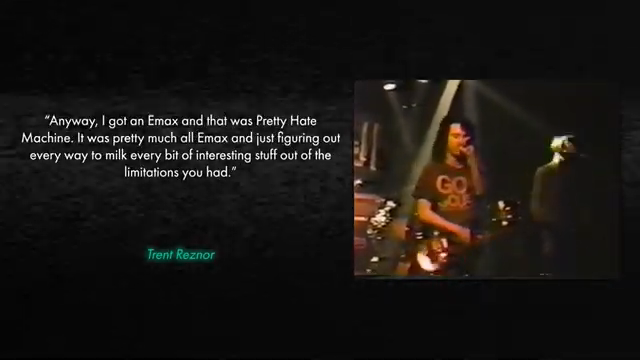
"It was pretty much all EMAX and just figuring out every way to milk every bit of interesting stuff out of the limitations you had."
© Screenshot/Quote: Tonepusher (YouTube)
Analog Bloodlines: The Power of Moog in Bass
Analog synthesis is the lifeblood of these legendary basslines. Tonepusher demonstrates how tracks like “Big Man With a Gun” and “The Becoming” pulse with hypnotic, repetitive riffs—each one a strand in the web of industrial sound. The Moog’s tone is unmistakable: saturated, elastic, and endlessly mutable.
Yet, the video reminds us that the story is not just about hardware. The mythic Obermog prototype, with its blend of Minimoog and Oberheim character, becomes a symbol of the restless search for new timbres. These machines are more than tools—they are collaborators, shaping the emotional topography of each song. The analog signal path is a river of voltage, carrying fragments of melody and dissonance through the heart of darkness.
Ghosts in the Machine: Processing, Layering, and the NIN Mystique

"A sample, a recorded synth, a Minimoog, maybe that weird Obermog prototype. The internet has been debating this for years."
© Screenshot/Quote: Tonepusher (YouTube)
No journey through Nine Inch Nails’ soundscape is complete without confronting the spectral layers of processing and production. Tonepusher peels back the curtain on the legendary “Closer” bass, a sound shrouded in internet myth and debate. The secret, it seems, lies in the interplay of high resonance, nearly closed filters, and the shimmer of chorus—techniques that transform simple waveforms into liquid shadows.
But the true magic is in the alchemy of collaboration and post-production. Tracks from “The Downward Spiral” are revealed as palimpsests, rewritten by multiple hands and heavy processing. Tonepusher acknowledges that some mysteries are best left unsolved, inviting us to experience the nuances firsthand. The video’s sound examples and patch sheets are a treasure map, but the real resonance lingers in the air—sonic ghosts that can only be felt, not fully explained.
This article is also available in German. Read it here: https://synthmagazin.at/tonepusher-enthuellt-die-klanggeister-der-moog-welt-von-nine-inch-nails/
More articles about these products:
 Starsky Carr’s £15,000 Synth Soup: Analog Royalty, Now in Your Serum
 Woody Piano Shack’s Gear Bloodbath: Tier Rankings, Regrets, and $1,000 Down the Drain
 Devin Belanger’s Black Sheep Synths: The Underdogs That Changed the Game
 musotalk deconstructed: Vintage Synthesizers, Reissues and the Truth Behind the Classic Myth
 Starsky Carr’s Synth Bunker: Vintage Heat Meets Modern Muscle
 RetroSound’s Digital Dreamscape: A Studio Tour Through Sonic Time
 Lodewijk Vos (LØ): The Desk Setup That Turns Workflow Into a Weapon
 RetroSound’s Analog Monos: A Rave Bunker Tour of Synth Legends
 AudioPilz Dishes the Dirt: What Your Synth REALLY Says About You
 Doctor Mix Unleashes Camelot: One Keyboard to Rule Them All
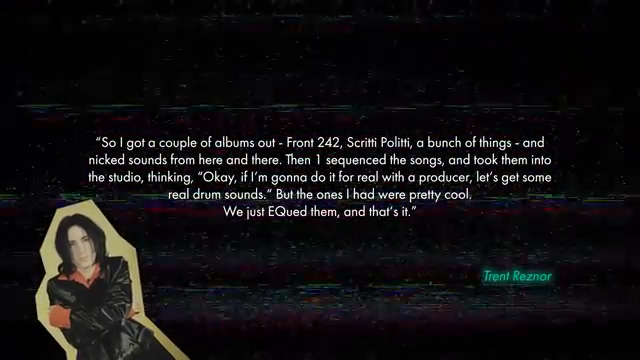 Tonepusher Illuminates the Sonic Ghosts of ‘Pretty Hate Machine’
 Tonepusher’s FOURM Frenzy: Is Sequential’s New Beast the Next Industrial Street Weapon?
Watch on YouTube:
Latest articles
Watch on YouTube:
Visit the channel:
https://www.youtube.com/Tonepusher
https://www.youtube.com/Tonepusher
Links from Tonepusher:
Sponsored links:
If you purchase via these links, we may earn a small commission – at no extra cost to you. The link opens an Amazon keyword search, and results may vary depending on availability.
Adam A7V
🔗 Check price on Amazon
🔗 Check price on Amazon
Behringer Model D
🔗 Check price on Amazon
🔗 Check price on Amazon
E-mu Emax
🔗 Check price on Amazon
🔗 Check price on Amazon
Moog Minimoog
🔗 Check price on Amazon
🔗 Check price on Amazon
Moog Poly D
🔗 Check price on Amazon
🔗 Check price on Amazon
Oberheim Expander
🔗 Check price on Amazon
🔗 Check price on Amazon
Oberheim OB-Mx
🔗 Check price on Amazon
🔗 Check price on Amazon
Sequential Prophet VS
🔗 Check price on Amazon
🔗 Check price on Amazon