You think your stereo width knob is magic? TheCosmicAcademy is here to smash that illusion with a sledgehammer. In a few brisk minutes, this video dismantles the lazy assumptions behind width controls, shows why copying and panning isn’t a shortcut to wide mixes, and delivers the real chaos behind stereo tricks. If your mix sounds flat, this is the street lesson you didn’t know you needed—served up fast, sharp, and with a couple of teeth missing.
27. July 2026
SPARKY
TheCosmicAcademy Wrecks the Width Knob Myth: Stereo Isn’t Just a Slider
Width Knob: The False Prophet
Time for a reality check: that width knob you keep maxing out isn’t a magic stereo button. TheCosmicAcademy kicks off by putting this myth to the test with the world’s most boring kick drum. Crank the knob, expect epic boom—get exactly nothing. Why? Because a width knob doesn’t conjure width from thin air; it just boosts the side (difference) signal between left and right.
For pure mono sounds like a kick, there’s nothing to boost. TheCosmicAcademy’s style is all about no-nonsense demonstrations, which means you get a clear, audible reality: if your sound’s the same on both sides, the width control does less than a broken toaster. This isn’t just technical nitpicking—it’s the difference between a mix that breathes and one that’s DOA.
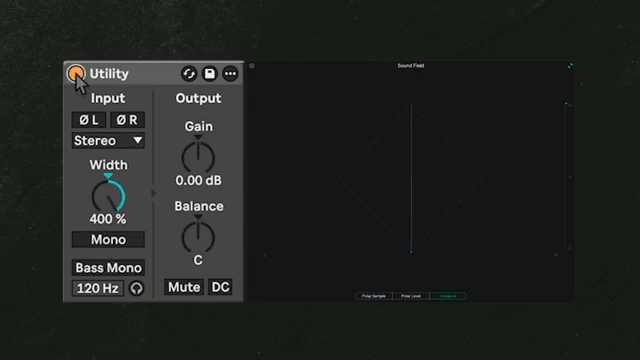
"This knob is completely maxed out, yet it sounds exactly the same from when we started."
© Screenshot/Quote: Thecosmicacademy (YouTube)
Stereo Needs Content, Not Hopes
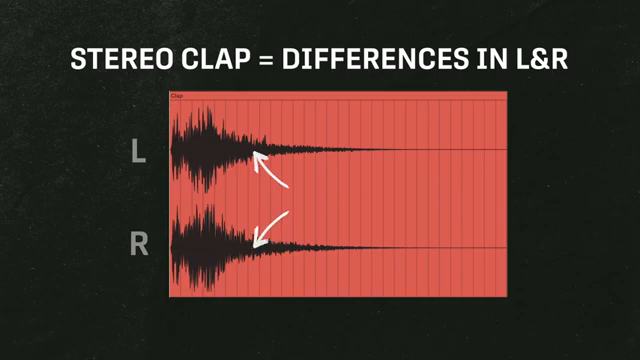
"In order to have stereo width, we need to have these differences between the left and right channel, and if there are no differences, well, there is no width."
© Screenshot/Quote: Thecosmicacademy (YouTube)
Here’s the kicker: to even have stereo width, you need actual differences between the left and right channels. That’s it. No difference, no width—no matter what plugin you slap on. If you’re turning up width on a mono source, you’re just turning up your own wishful thinking.
Duplicating and Panning: The Classic Fail
So, you think duplicating a sound and panning hard left and right makes it wide? TheCosmicAcademy pulls this move directly from student projects and rips it apart. Two identical kicks, panned opposite, don’t make a wall of sound—they collapse right back to mono. The scope shows a vertical line: mono city, population you.
The punchline is deadly: it’s like cloning a toothless dog and expecting them to bark in harmony. Unless your left and right signals are actually different, your panned tracks are just taking up space for no reason. If you want width, you need channel differences, not just more copies.
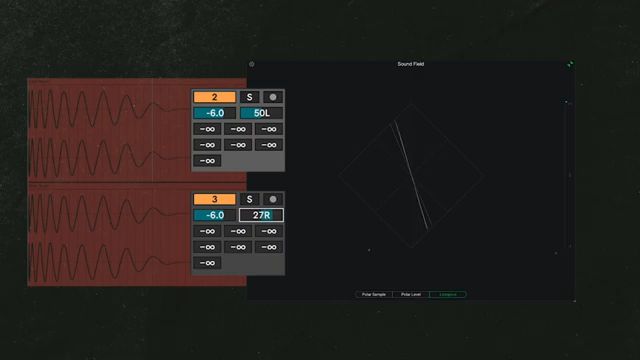
"This is like me cloning Moose, and putting him on opposite ends of the room."
© Screenshot/Quote: Thecosmicacademy (YouTube)
EQ, Haas, and the Real Tricks for Width
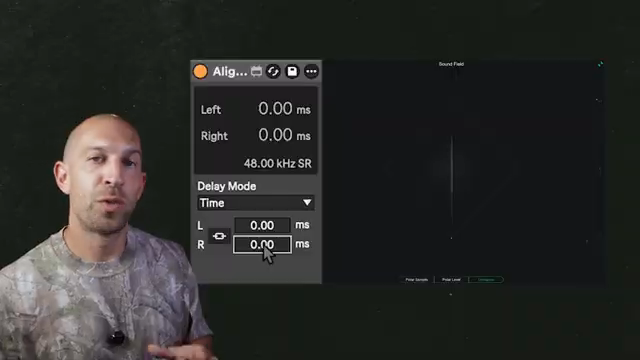
"So if we look at something like the Haas effect, this is what we just did."
© Screenshot/Quote: Thecosmicacademy (YouTube)
Now we’re getting somewhere. TheCosmicAcademy shows how introducing EQ changes to one side, or nudging timing between channels, actually cracks open the stereo field. The magic is in making those ears hear something unique on each side—suddenly, the width knob wakes up and does its job.
From classic Haas effect delays to stereo imagers, modulation, chorus, and even reverb and ping-pong delays, there are plenty of ways to build width that isn’t just fake. The video gives you a taste of each technique but doesn’t spill all the beans—trust me, you’ll want to hit play and catch the sound for yourself.
Panning Pitfalls: The Last Gotcha
Just when you think you’ve got stereo width sorted, TheCosmicAcademy drops a final warning: panning mistakes can undo everything. If you’re doing it wrong, all that fancy width work means nothing. Honestly, the real fix needs another video—so don’t get too smug about your left-right wizardry just yet.
This article is also available in German. Read it here: https://synthmagazin.at/thecosmicacademy-zerlegt-den-width-knopf-mythos-stereo-ist-mehr-als-nur-ein-regler/
Watch on YouTube:
Latest articles
Watch on YouTube:
Visit the channel:
https://www.youtube.com/TheCosmicAcademy
https://www.youtube.com/TheCosmicAcademy
Links from TheCosmicAcademy:
Apply To Our Program: https://cosmicacademy.com
Instagram: https://instagram.com/cosmicacademy