Arpeggiators: the secret rave sauce that turns your polite chords into a relentless melodic assault. The Unperson, always ready to drag hardware through its paces, dives into a fistful of synths and boxes—from the Arturia MiniFreak to the Korg Triton—showing just how much chaos you can squeeze out of a few notes and a decent arp mode. If you think arpeggiators are just for trance cheese, think again. This video is a crash course in making arps do your dirty work, whether you’re after game soundtrack nostalgia or multi-layered modular madness. Get ready for a ride through the best and weirdest of hardware arpeggiation, with plenty of sonic curveballs along the way.

8. December 2025
SPARKY
The Unperson’s Arpeggiator Rumble: From Cheesy Triton to Mutant MiniFreak
Arturia KeyStep MK2, Arturia Microbrute, Arturia MiniFreak, Korg Micro X, Korg Triton, Melbourne Instruments Nina, Midicake ARP, VONGON Replay
From Harps to Hardware: The Arp Revolution
Arpeggiators didn’t just stroll into the synth world—they kicked the door down in 1978 with the Roland Jupiter 4, turning what used to be a manual, sequencer-driven affair into a hands-off melodic machine. Before that, you were stuck with sequencers and a lot of finger gymnastics. The Unperson wastes no time laying out this evolution, making it clear that arpeggiators have been a game-changer for electronic music, slicing up chords and spitting them back as hypnotic patterns.
What’s the big deal? Instead of playing each note of a chord yourself, you let the machine do the heavy lifting, freeing up your hands for filter sweeps, knob-twiddling, or just looking cool. The Unperson’s intro is a brisk history lesson with zero fluff—just the facts and a promise of serious arp action ahead.
Arp Arsenal: MiniFreak, Vongon, MidiCake & Cheesy Triton
The Unperson isn’t here to show off just one box—he’s got a whole arsenal. First up, the Arturia MiniFreak, which gets a quick run through its paces: octave ranges, up/down modes, randomisation, and a few modern twists like poly and mutate. It’s a solid, flexible starter, and the video wastes no time showing how quickly you can go from basic to bonkers.
Next, the Vongon Replay steps in for a nostalgia trip, channelling early ’80s computer game vibes with its simple but surprisingly versatile arp. The Unperson leans into the chip-tune energy, making it clear that even a basic arpeggiator can punch above its weight if you know how to work it. Then it’s time for the MidiCake Arp—a proper toaster-fight of a box, with four independent arps running wild. Paired with the Melbourne Instruments Nina, it’s a multi-layered jam that shows just how deep the rabbit hole goes when you stack arpeggiators.
And then, just when you think it can’t get any cheesier, the Korg Triton (well, Micro X) rolls in. The Unperson admits the sounds are dated, but also kind of irresistible—like a rave in a time capsule. The Triton’s arpeggiator is a playground for workstation cheese, and the video proves there’s still plenty of fun to be had if you’re willing to embrace the kitsch.
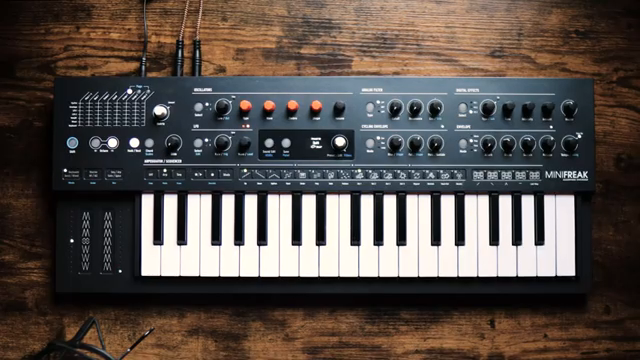
"Common features that you're going to find on pretty much all arpeggiators are things like octave range."
© Screenshot/Quote: Theunperson (YouTube)
Arp Experiments: Sound Design and Live Chaos
Experimentation is the name of the game here. The Unperson dives into how different arpeggiator types can be twisted for sound design, composition, and live performance. Whether it’s layering simple patterns for evolving textures or using randomness to keep things unpredictable, the video is packed with ideas that go way beyond the usual up-and-down routines.
There’s a clear message: don’t just settle for the factory settings. The Unperson demonstrates how even a basic arp can be a launchpad for weirdness—especially when you start stacking devices or throwing in odd time signatures. If you want to hear what this sounds like in the wild, you’ll have to watch the video; some of these jams are pure bunker energy.
Creative Techniques: Layering, Randomness, and Mutate Mayhem
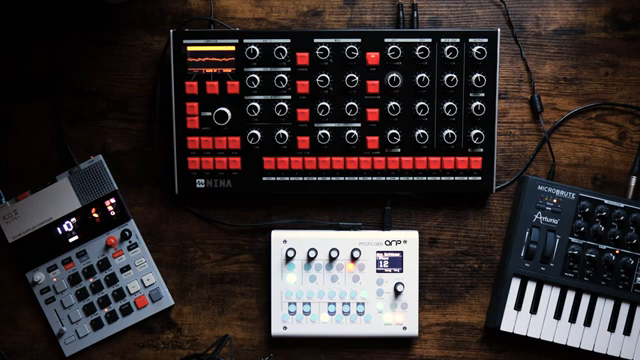
"What's really fun about the midi cake arp is that it's really easy to create chord progressions."
© Screenshot/Quote: Theunperson (YouTube)
Layering patterns is where the magic happens. The MidiCake Arp, in particular, is a monster for building complex, evolving jams—splitting voices, stacking chords, and flipping between major and minor at the press of a button. The Unperson shows how you can use multiple arpeggiators to control different synths or voices, creating a wall of sound that’s anything but static.
Randomness gets its moment in the spotlight too, especially with the Arturia Keystep MK2’s mutate button. One press and your arpeggio morphs into something new, blurring the line between sequencer and arp. It’s a reminder that sometimes the best ideas come from letting go of control and seeing where the machine takes you.
Arp Inspiration: Go Watch, Go Jam
If you’re not itching to fire up an arpeggiator after this, check your pulse. The Unperson wraps things up with a quick pep talk and a reminder that the real magic is in the playing—not just the theory. The video is loaded with sound demos and hands-on jams that words can’t do justice. Go watch, get inspired, and let your next track ride the arp wave.
This article is also available in German. Read it here: https://synthmagazin.at/the-unpersons-arpeggiator-rumble-von-cheesy-triton-bis-mutierendem-minifreak/
Watch on YouTube:
Latest articles
Watch on YouTube:
Visit the channel:
https://www.youtube.com/TheUnperson
https://www.youtube.com/TheUnperson
Links from TheUnperson:
patreon: https://patreon.com/theunperson
gumroad: https://theunpers0n.gumroad.com/
instagram: https://instagram.com/the_unpers0n
bandcamp: https://theunperson.bandcamp.com/
Sponsored links:
If you purchase via these links, we may earn a small commission – at no extra cost to you. The link opens an Amazon keyword search, and results may vary depending on availability.
Arturia KeyStep MK2
🔗 Check price on Amazon
🔗 Check price on Amazon
Arturia Microbrute
🔗 Check price on Amazon
🔗 Check price on Amazon
Arturia MiniFreak
🔗 Check price on Amazon
🔗 Check price on Amazon
Korg Micro X
🔗 Check price on Amazon
🔗 Check price on Amazon
Korg Triton
🔗 Check price on Amazon
🔗 Check price on Amazon
Melbourne Instruments Nina
🔗 Check price on Amazon
🔗 Check price on Amazon
Midicake ARP
🔗 Check price on Amazon
🔗 Check price on Amazon
VONGON Replay
🔗 Check price on Amazon
🔗 Check price on Amazon