Ready for another round in the groovebox arena? The Midlife Synthesist dives headfirst into 1010music’s Bento, a box promising wild sound design and looping wizardry for both stage and studio. Expect sharp takes, honest gripes, and a healthy dose of hands-on chaos as he pokes at Bento’s touchscreen, pads, and connectivity. This isn’t a final verdict—just a first taste, with plenty of praise, a few facepalms, and a clear warning: some of Bento’s quirks are best seen (and heard) in action. If you want to know whether this flagship is a street weapon or a firmware work-in-progress, read on.
22. February 2026
SPARKY
The Midlife Synthesist Puts 1010music Bento Through Its Paces: First Impressions from the Sonic Trenches
Bento: Sound Design Playground Meets Looping Mayhem
The 1010music Bento isn’t just another groovebox in a sea of plastic wannabes. The Midlife Synthesist wastes no time pointing out that this thing is a strange hybrid—equal parts sound design powerhouse and looping playground. It’s got enough tools to keep both live performers and studio tinkerers busy, with looping features that beg for hands-on chaos and sound engines that go well beyond the basics.
What stands out is how the Bento manages to feel both experimental and practical. You get granular and wavetable engines lifted from 1010’s own synths, plus a multi-sampler and looping tracks that let you twist, resample, and mangle to your heart’s content. It’s not just about stacking samples—it’s about building evolving soundscapes and launching loops on the fly. If you’re after a box that rewards curiosity and live risk-taking, Bento’s got the goods. But don’t expect a smooth ride: the firmware’s still finding its feet, and some of the quirks are best experienced in the video’s hands-on jams.
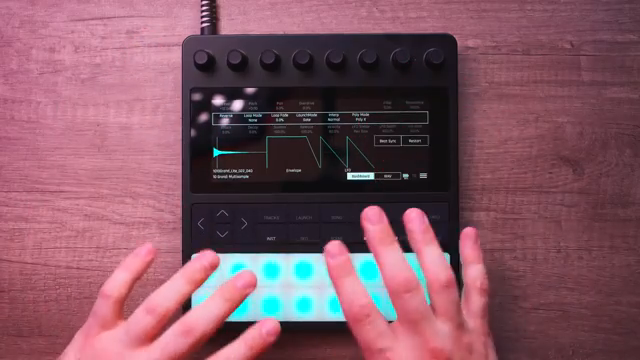
"The device seems to be a strange mixture of great sound design possibilities and very fun looping tools and cool hardware features, coupled with some peculiar UI decisions and a firmware that still seems to be finding its footing."
© Screenshot/Quote: Midlifesynthesist (YouTube)
Touchscreens, Pads, and Ports: Hardware That Wants to Party
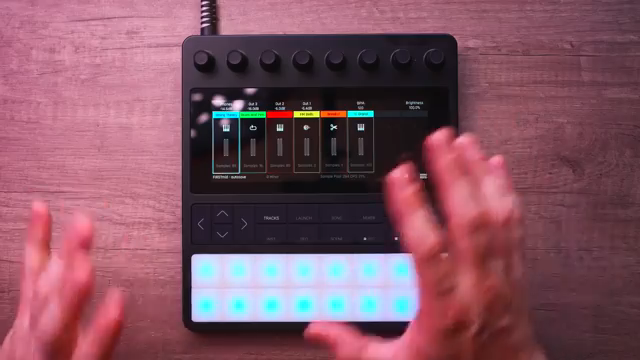
"The pads are surprisingly sensitive and have a very nice feel to them, which makes finger drumming and key playing on it very enjoyable."
© Screenshot/Quote: Midlifesynthesist (YouTube)
Let’s talk hardware. The Bento sports a crisp, full-colour touchscreen that’s actually readable (take note, budget boxes), and the pads are surprisingly sensitive—finger drummers, rejoice. The Midlife Synthesist gives props for the rotary knobs and the sheer amount of connectivity: dual MIDI ins and outs, three audio ins and outs, USB-C, and a micro SD slot. It’s a connectivity buffet for anyone building a portable rig.
But it’s not all rave lights and roses. The touchscreen, while flashy, isn’t fully committed—some actions require a knob twist when you’d expect a tap, and the UI occasionally feels like it’s been designed by committee. Still, the hardware’s vibe is strong, and if you’re willing to put up with a few interface oddities, there’s a lot to love. The Midlife Synthesist’s hands-on style makes it clear: this box wants to be played, not just programmed.
Engines That Slap, Sequencing That Trips: Power and Pitfalls
Bento’s granular and wavetable engines are the real headline act here, lifted straight from 1010music’s Fireball and Lemon Drop. You get deep modulation, dual waveforms, and enough filter and envelope action to keep any sound mangler grinning. The granular engine especially is a monster—just don’t expect to run more than one per project. There’s a trade-off between power and CPU, and Bento’s not shy about showing its limits.
Sequencing, though, is where the cracks start to show. While you can record live or use the touchscreen piano roll, there’s no step sequencing, no parameter locks, and none of the clever tricks you’d find on Elektron or OP-1 boxes. Looping is fun and flexible, but you can’t automate launching multiple loops in a scene—they have to be triggered manually. For some, that’s a creative playground; for others, it’s a workflow headache. The Midlife Synthesist doesn’t sugar-coat it: the fun is real, but so are the limitations.
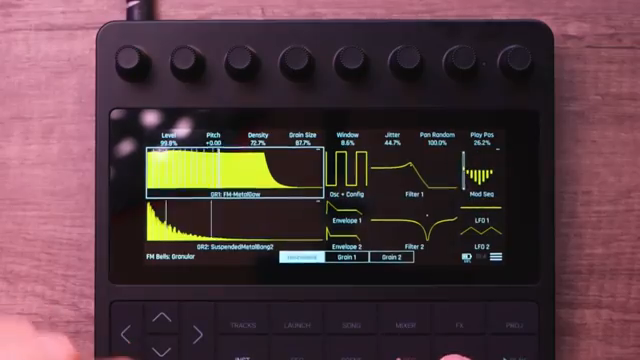
"Especially in the granular synth the amount of tools at your disposal are pretty amazing."
© Screenshot/Quote: Midlifesynthesist (YouTube)
Bento vs. The World: MPCs, Bugs, and CPU Drama
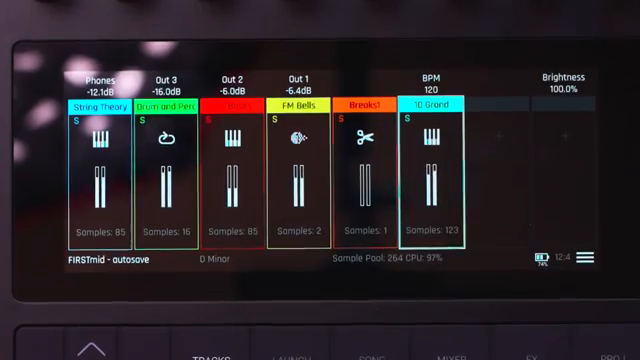
"Even though I don't have all the tracks assigned, it's still well over 90%."
© Screenshot/Quote: Midlifesynthesist (YouTube)
No groovebox review is complete without a bit of kit combat. The Midlife Synthesist pits Bento against the Akai MPC and even ropes in the OXI MK2 for sequencing duties. The verdict? Bento’s sequencing is capable but basic, especially compared to the MPC’s optimised workflow and the OXI’s live performance chops. There are also some classic early-firmware bugs—like MIDI weirdness that sends reverb into the stratosphere for no good reason.
CPU usage is another sore spot. Load up a few heavy engines and big sample sets, and you’ll see the CPU meter sweating harder than a DJ in a boiler room. The comparison to Maschine+ is spot on: both boxes can be pushed to their limits without much effort. If you’re planning to go wild with multi-samples and granular textures, be prepared for some digital smoke. The Midlife Synthesist’s honest, slightly exasperated tone is a reminder: this box is powerful, but it’s not invincible.
Firmware Futures: Updates, Hopes, and Watch This Space
Here’s where things get interesting. The Bento has already seen a flurry of firmware updates, with new synth engines and features dropping fast. The Midlife Synthesist is rooting for 1010music to iron out the kinks and unlock the box’s full potential. There’s talk of project export as WAV files and more to come, so if you’re the type who bets on updates, this could be a sleeper hit.
But let’s not get carried away. The platform still needs to mature, and right now, Bento is a work in progress—exciting, frustrating, and totally worth keeping an eye on. If you want the full lowdown on what’s working and what’s still rough, you’ll need to watch the video. Trust me, some of these quirks and jams just don’t translate to text.
This article is also available in German. Read it here: https://synthmagazin.at/the-midlife-synthesist-schickt-das-1010music-bento-in-den-ring-erste-eindruecke-aus-dem-groovebox-untergrund/
Watch on YouTube:
Latest articles
Watch on YouTube:
Visit the channel:
https://www.youtube.com/MidlifeSynthesist
https://www.youtube.com/MidlifeSynthesist
Links from MidlifeSynthesist:
Instagram: https://instagram.com/midlifesynthesist
Sponsored links:
If you purchase via these links, we may earn a small commission – at no extra cost to you. The link opens an Amazon keyword search, and results may vary depending on availability.
1010Music Bento
🔗 Check price on Amazon
🔗 Check price on Amazon
Akai MPC
🔗 Check price on Amazon
🔗 Check price on Amazon
OXI One MK2
🔗 Check price on Amazon
🔗 Check price on Amazon