Dive into a no-nonsense rundown of the Behringer 2-XM with Starsky Carr. Discover how this synth mimics the famed Oberheim 2-Voice, and explore its raw analog charm and functionality. A blend of style and substance that promises to intrigue synth lovers.
Opening Act: The SEM Legacy
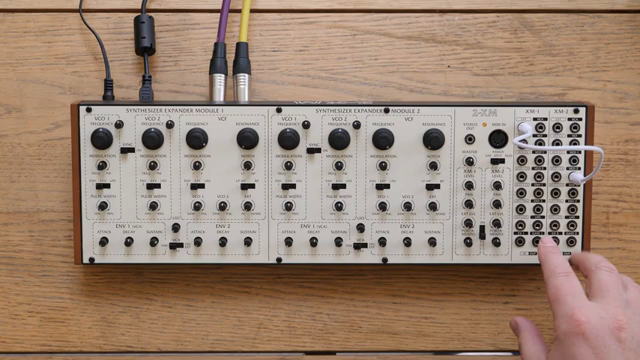
Let’s kick off with a bit of synth history, shall we? The Behringer 2-XM is not just any piece of kit; it’s Behringer’s homage to the legendary Oberheim 2-Voice. If you’ve ever drooled over the vintage SEM modules from the 70s, you’ll know precisely what that means. Starsky Carr takes a deep dive into this revered lineage, painting the picture of analogue decadence where even a single voice could set you back more than a used car. The 2-XM, however, is far from those lofty price tags, giving modern synth enthusiasts a taste of classic Oberheim flavours without the financial hit. Imagine owning a slice of history for a fraction of the price – it’s like finding a vintage leather jacket in a charity shop! But wait, before you start fantasising about owning the entirety of Oberheim’s legacy, remember this doesn’t include the original’s sequencer or keyboard. Still, if it’s that raw sonic power you’re after, the 2-XM promises to deliver.

"That's a lot of cash for a synthesizer, but luckily there are other options around."
© Screenshot/Quote: Starskycarr (YouTube)
Breaking Down the Clone: A Closer Look
"And like all these barren units, it's a nicely made little thing, it feels sort of solid enough."
© Screenshot/Quote: Starskycarr (YouTube)
Starsky Carr is renowned for his methodical approach, and he doesn’t disappoint with the 2-XM. Diving into the guts of this synth, Starsky talks us through its architecture: dual SEM-style modules, each with two VCOs, envelopes, and an LFO. These modules stand like fortresses of sound, giving the 2-XM a dual personality. With the ability to run these voices in split or duo modes, what we’re essentially dealing with is two independent synth engines strapped together. Talk about having your cake and eating it! The interface, reminiscent of analogue beasts of yore, features plastic pots that aren’t fancy but do the job just fine. If you’ve ever fumbled with old gear and loved every second of it, you’ll appreciate the somewhat tactile charm of the 2-XM. Its CV connections and MIDI capability serve to lure this vintage-inspired unit into the modern age, but don’t expect MIDI control of those knobs – Starsky makes a point of highlighting that upfront.
Playing With Sounds: The Oscillator Feature
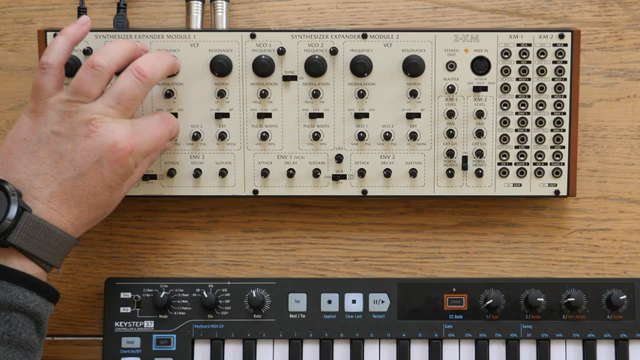
The heart of any synth is its oscillator, and the 2-XM doesn’t hold back. We’ve got a robust mix of sawtooth and pulse waves, and Starsky wastes no time in getting his hands dirty with them. Each voice’s tuning options are explored, and we’re treated to their warm, analog growl – the kind that wouldn’t feel out of place in a dark, sweat-drenched club. While the control might be somewhat unconventional, as Starsky demonstrates, it’s all about finding sweet spots and revelling in those lush, vintage tones. As he twists those knobs, the cottage-y creaks and whispers of the 2-XM begin to render their old school charm, proving that sometimes, the less straightforward, the better. You don’t get a sea of presets here; instead, it’s all raw sound ready to be shaped, and what you mold it into is entirely up to you. Starsky’s loving it, and so are we.
"Really enjoying just listening to those tones, they are nice."
© Screenshot/Quote: Starskycarr (YouTube)
Sync and Filters: The Magic Beneath
"Again beautiful sound, that isn't it lovely and smooth that."
© Screenshot/Quote: Starskycarr (YouTube)
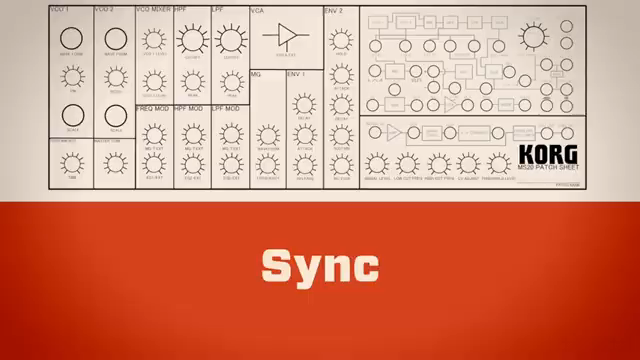
Starsky Carr brings the 2-XM’s capabilities into sharper focus with a detailed look into oscillator sync and filter magic. The sync feature is smooth and satisfying – none of that rough patchwork you sometimes find in clones. It’s a taste of analogue authenticity that many long for in their synth patches. The filter isn’t just any old filter, but a SEM-style one known for its signature creamy cut-off. Starsky revels in its ability to shape sound with precision, a hallmark of those classic Oberheim tones. He demonstrates the luscious low passes and rugged band passes, peeling back layers of audio to reveal a palette that’s all things magnificent. You can’t help but get pulled into the intricacy of the sound design possibilities here, highlighted further by external input capabilities and creative modulation options. Listen as he patches in an external mod source and watch as the 2-XM dances through its paces, proving it’s much more than a mere clone. Indeed, in Starsky’s hands, this is a tool begging to be manipulated, sampled, and perhaps even a little bit abused.
Practical Considerations: The VCA and Beyond
As the exploration continues, we’re brought into the practical realm with Starsky reviewing the VCA modes on the 2-XM. It’s all about tweaking the generator’s envelope, and Carr doesn’t skip a beat in showing us how it’s done. From nuances in the VCA settings to the control panel layout, there’s a lot for those with a penchant for detailed sound manipulation. The nuances here aren’t just technical – there’s an art to it that Starsky showcases with precision. His tutorial-like breakdowns make it clear: this isn’t a synth for preset hounds but for those who want to dive headfirst into sound crafting. Through thoughtful demonstrations, Starsky underscores the importance of manual control in getting the most out of the kit. This ethos runs through the video, bridging the divide between vintage charm and modern practicality. After all, the proof is in the pudding, or in this case, the punch of that tweaked envelope.
Wrap-up: A Synthesis Ripe for Exploration
Starsky Carr’s first look at the Behringer 2-XM comes full circle with his closing remarks. He ties together the nitty-gritty details into a coherent picture of what this synth offers. It’s clear from his review that the 2-XM possesses a unique charm, appealing to those who value hands-on experimentation over pre-packaged sounds. The dual-module setup, coupled with robust tweakability, paves the way for endless sonic exploration. It’s not just about the price point, although getting Oberheim-inspired tones for a fraction of the cost is a sweet deal. It’s about the inspiring playground that the 2-XM lays out for musicians. Imagine shaping sounds with an analog authenticity that beckons you to delve deeper. Starsky’s walkthrough isn’t just about displaying features; it’s an invitation for musicians to experiment and redefine their sonic palette. He finishes off with a call to action for synth lovers to support the community, ringing true with the collaborative essence of the synth world.
This article is also available in German. Read it here: https://synthmagazin.at/starskycarrs-erster-blick-auf-den-behringer-2-xm/
Watch on YouTube:
Latest articles
Watch on YouTube:
Visit the channel:
https://www.youtube.com/StarskyCarr
https://www.youtube.com/StarskyCarr
Links from StarskyCarr:
Patreon: https://patreon.com/starskycarr
Instagram: https://instagram.com/starskycarr
Facebook: https://facebook.com/StarskyCarrOfficial
Sponsored links:
If you purchase via these links, we may earn a small commission – at no extra cost to you. The link opens an Amazon keyword search, and results may vary depending on availability.
Behringer 2-XM
🔗 Check price on Amazon
🔗 Check price on Amazon