Dive into the lo-fi allure of the Korg Minipops Junior with StarskyCarr. Discover why this quirky drum machine played a starring role with Echo & the Bunnymen, revealing its unique timing imperfections that no DAW can replicate.

22. September 2025
JET
StarskyCarr Digs Into the Minipops Junior: The Quirkiest Band Member of the 70s
Meet the Quirky Korg Minipops Junior
If you thought drum machines needed to stay on time, the Korg Minipops Junior is here to shatter your misconceptions. With a sound palette that includes five delightfully oddball pops and fizzes, it feels more like an instrument with character than a polished player. StarskyCarr opens up his exploration of this vintage rhythm box by highlighting its infamous inability to keep time. Despite this—or perhaps, because of it—the Minipops Junior is described as being brimming with vibe and character, a package that is irresistibly fabulous. It’s a deep dive into a piece of history, capturing all its quirks in high-resolution MIDI for his Patreon followers. Starsky, with his meticulous nature, spent hours sampling to grasp every nuance of this peculiar device.
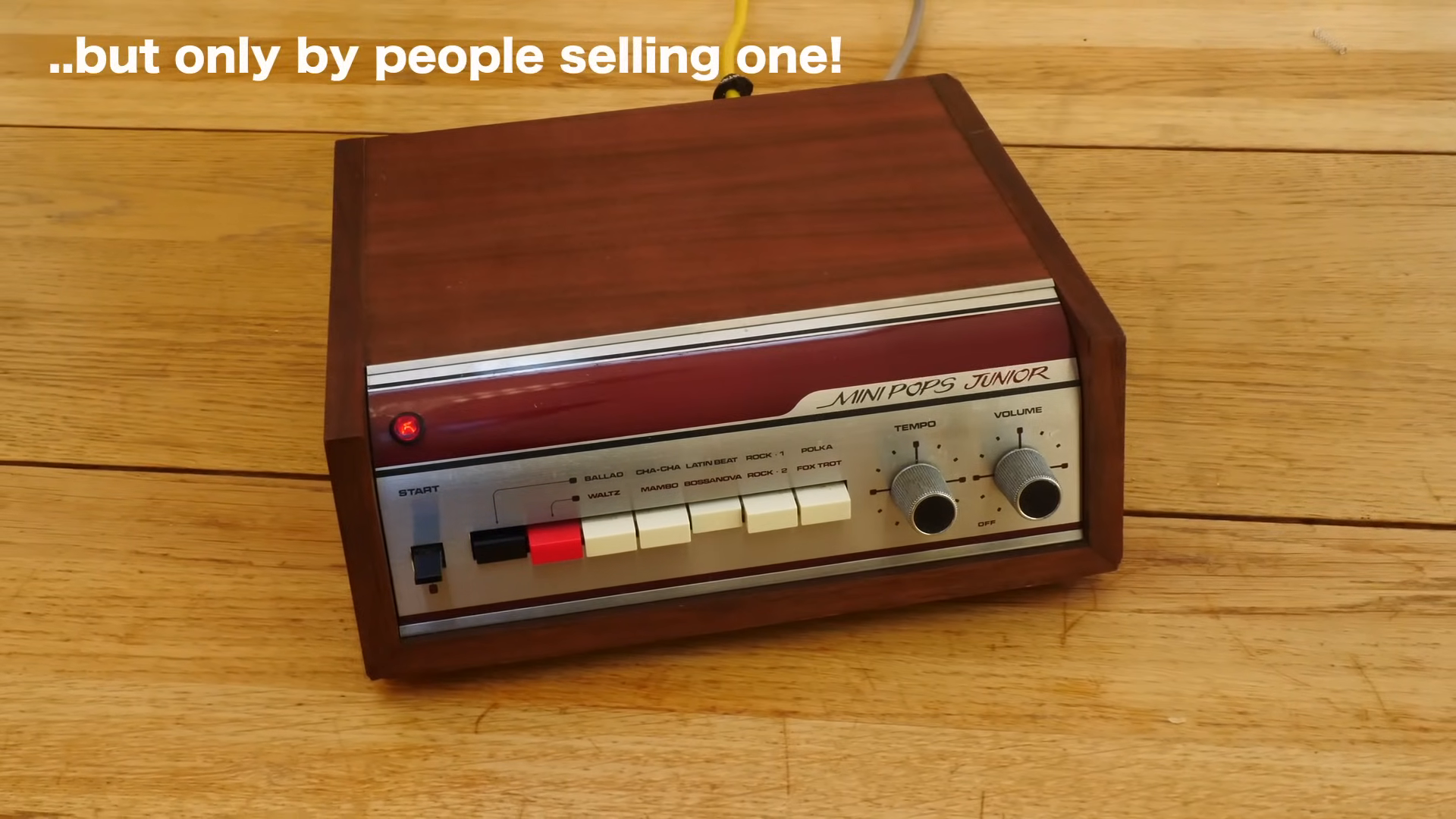
"that only makes about five weird but charming analog pops and fizzes."
© Screenshot/Quote: Starskycarr (YouTube)
Echo & the Bunnymen's Unconventional Drummer
"when I met Ian McCulloch myself at a mate's party a few years back I did ask him if Echo was the drum machine and he said yes"
© Screenshot/Quote: Starskycarr (YouTube)
Imagine starting a band without a drummer—quite the punk move, right? Well, Echo & the Bunnymen did just that with the Minipops Junior. StarskyCarr delves into the band’s formation story, where the Minipops became an honorary member during their early days due to their lack of human percussion. This little rhythm box reportedly held the quirky honour of being credited in a band. The lore goes beyond mere credit, as even Ian McCulloch from the band acknowledged its place. Starsky shares a personal anecdote of chatting with McCulloch, affirming that the drum machine was indeed called “Echo,” which lent its name, or at least some of its spirit, to the band. Such stories add layers to what the machine represents, not just sonically but culturally, enriching its legacy in the post-punk movement. The mystery and lo-fi charm of this contraption reflect the experimental spirit of the late ’70s, demonstrating that precision is sometimes overrated.
A Chaotic Symphony of Presets
The Minipops Junior isn’t just about its role in rock history; it has its own peculiar soundscape. Starsky takes us through its preset rhythm options, a list that reads like a retro dance party: ballad, cha-cha, land beat, rock, and more. These presets harken back to a time when rhythm boxes aimed at home organ enthusiasts with bustling living rooms. Despite—or perhaps due to—the cheesiness, they possess a unique, charming vibe that echoes through decades. Starsky’s enthusiasm shines as he clicks through each sound, painting a sonic picture of the era. The presets capture not only the intended rhythms but a kind of delightful cheesiness that appeals to nostalgists and experimental musicians alike. It’s a buffet of rhythms that evoke visions of smoky dance floors and uninhibited foot-tapping. Such machines remind us that music is not just about precision; sometimes it’s about letting the circuits run wild to create something undeniably special.
The Art of Wonky Timing
Ah, timing—a concept you’d think was fundamental to any music machine. The Minipops Junior, however, dances to its own beat, presenting rhythms that defy the ticking of any clock. Starsky spends considerable time illustrating just how loose and free its timing can be. Loading samples into Logic Pro, he reveals how this machine plays with the concept of ‘on-beat.’ It’s hilariously inconsistent, almost as if it’s perpetually recovering from a hangover. As Starsky shows us, no matter how much you push the tempo, each hit lands whimsically off the mark, creating a groove only it can claim. He highlights the beauty in the chaos—an embodiment of the ‘less is more’ philosophy often lost in the search for digital perfection. Every hit, every rhythm sags and stretches unpredictably, contributing to an organic ‘swing’ that software quantisation simply can’t reproduce. For those who love gear that sounds slightly ‘off’ just for the sake of character, this drum machine is a godsend.

"so we're exactly on the bar there at 69.9040 beats a minute go to the next bar we're slightly out"
© Screenshot/Quote: Starskycarr (YouTube)
Sampling the Imperfections
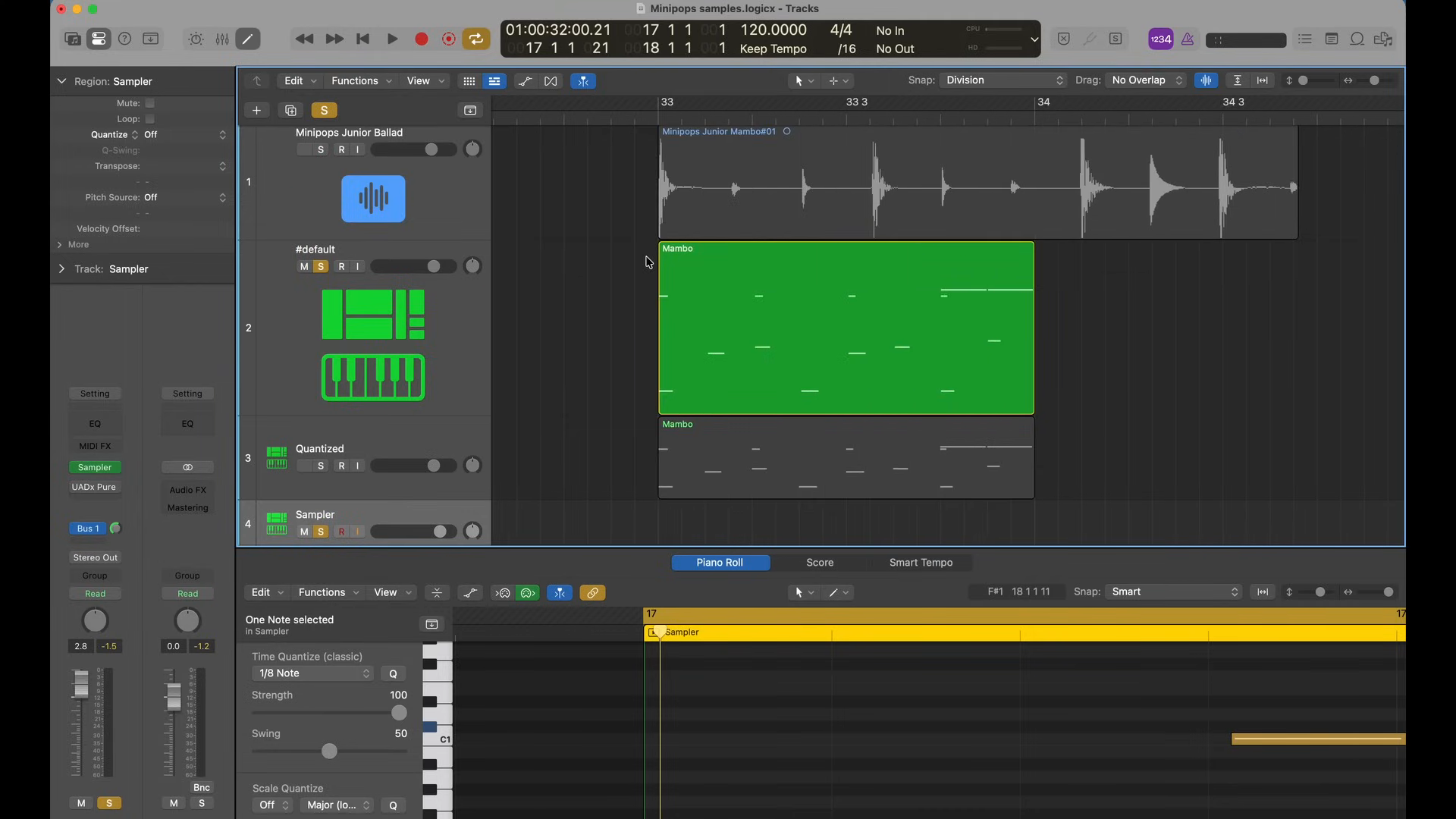
"and you find it when listening to the kicks as well the first kick and the second kick are slightly different"
© Screenshot/Quote: Starskycarr (YouTube)
StarskyCarr doesn’t just stop at showcasing the lo-fi beauty of the Minipops Junior; he dives deeper by sampling its imperfections. It’s as if he’s bottling lightning—capturing the machine’s spirit by meticulously recording the minor variations in each sound. He shares his geeky, enthusiastic approach to sampling: taking multiple recordings to encapsulate its organic imperfections in digital form. As he samples different kicks and snare hits, he finds slight discrepancies, like subtle whispers, in each sound. It’s a testament to how older machines weren’t engineered for perfection, and that’s exactly where their charm lies. Starsky puts these samples to the test, demonstrating how even the minute inconsistencies add up to form something uniquely authentic, reminding us that sometimes the magic lies in the details we can’t entirely control.
The 70s Magic in Today’s Beats
In the end, what Starsky captures is the essence of the 70s, transposed onto modern setups. While demonstrating the Minipops Junior’s capacity to create grooves that earnestly swing but stay unwaveringly out of time, Starsky highlights the unique position these sounds can hold in today’s sonic landscape. It’s like inviting an old pub buddy to a new-age rave—there’s familiarity and novelty all at once. Starsky reflects on this historical nostalgia, showing how the Minipops infuses tracks with a rawness often polished away by digital precision. For music producers eager to infuse their work with unpredictable, human-like rhythms, this machine—and the sample pack Starsky created—is an emblem of imperfection they’ll cherish. It’s an ode to the quirks of vintage machinery, making its mark on both yesteryear’s jams and tomorrow’s tracks.
This article is also available in German. Read it here: https://synthmagazin.at/starskycarr-erforscht-den-minipops-junior-das-skurrilste-bandmitglied-der-70er/
Watch on YouTube:
Watch on YouTube:
Visit the channel:
https://www.youtube.com/StarskyCarr
https://www.youtube.com/StarskyCarr
Links from StarskyCarr:
Patreon: https://patreon.com/starskycarr
Instagram: https://instagram.com/starskycarr
Facebook: https://facebook.com/StarskyCarrOfficial
Sponsored links:
If you purchase via these links, we may earn a small commission – at no extra cost to you. The link opens an Amazon keyword search, and results may vary depending on availability.
Korg Minipops Junior
🔗 Check price on Amazon
🔗 Check price on Amazon