Starsky Carr is back in the bunker with the UDO Domino, a synth that looks like it just crawled out of a vintage VCR and decided to pick a fight with every hybrid polysynth on the market. This isn’t your average plastic-fantastic: dual engines, FPGA oscillators, and a filter section that’s got more personalities than a warehouse rave at 4am. Starsky’s trademark deep-dive style tears into the Domino’s guts, showing off everything from lush pads to straight-up sonic filth. If you’re after a synth that rewards knob-twiddling chaos and isn’t afraid to get weird, you’ll want to strap in for this one.
7. April 2026
SPARKY
Starsky Carr Unleashes the UDO Domino: Hybrid Polysynth Mayhem
Hybrid Heavyweight: The Domino Arrives
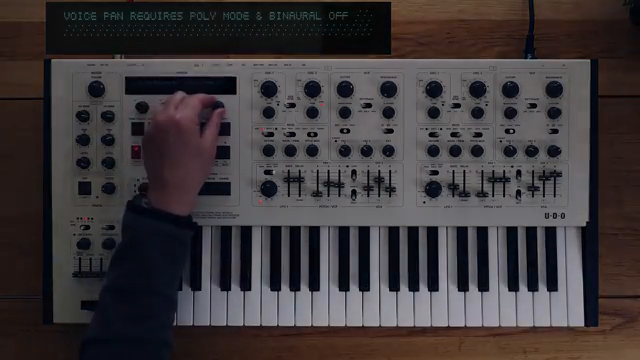
Starsky Carr wastes no time introducing the UDO Domino as a synth that refuses to play by the rules. With its dual-engine setup and a design nodding to the Oberheim SEM, this eight-voice hybrid polysynth is clearly gunning for heavyweight status. The build quality? Absolutely top shelf, with a display ripped straight from an ’80s VCR—because why not? UDO’s attention to detail is obvious, and the Domino’s interface is both inviting and intimidating, like a bouncer in a velvet suit.
But don’t let the retro looks fool you. The Domino packs two independent synth engines, each with their own controls and the ability to process external signals or even each other. The filter section is a playground of low pass, band pass, high pass, and phase options, all routable in stereo, parallel, or series. This isn’t just a Super 6 with a facelift; it’s a new beast entirely, and Starsky’s excitement is infectious from the jump.
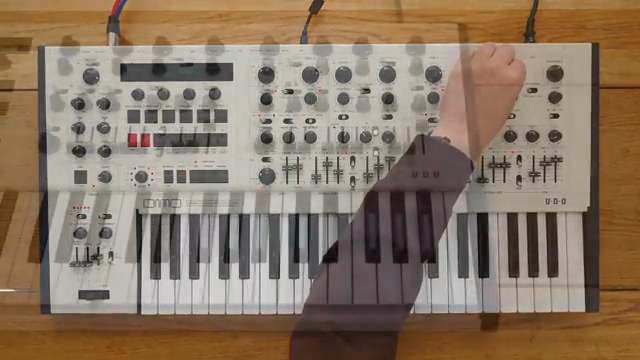
"The build quality is beyond reproach. Everything looks and feels absolutely top notch, especially the screen."
© Screenshot/Quote: Starskycarr (YouTube)
Oscillator Arsenal & Modulation Mayhem
"The modulation ranges on this seem massive, don't they?"
© Screenshot/Quote: Starskycarr (YouTube)
The Domino’s FPGA oscillators are the real deal—analog-style waveforms, 32 digital waves, and the ability to load your own wavetables if you’re feeling fancy. Starsky digs into the sound palette, showing how you can go from classic saws and squares to digital weirdness in a heartbeat. Oscillator two even doubles as a third LFO, making this thing a modulation playground for anyone who likes their synths unpredictable.
The modulation matrix is deep but not a menu-diving nightmare. Ten sources, fifteen destinations, and the freedom to stack LFOs, envelopes, and cross-modulation until your patch sounds like a toaster-fight in a wind tunnel. Voice drift, pan spread, and sync options take things from lush to absolutely deranged. If you want polite, look elsewhere—this synth is built for sonic mischief.
Interface: Hands-On, No Nonsense
Starsky gives the Domino’s interface a proper shakedown, and it’s clear this isn’t another menu hellscape. Most functions are a twist or a button away, with shift modifiers unlocking deeper features. The dual-panel layout means you’re always in control of both engines, and the screen—warm, sharp, and gloriously old-school—makes navigation a breeze.
Layering, splits, and play modes are all handled without fuss. The Domino encourages you to experiment: want to randomise voices, rotate layers, or get lost in chaos mode? It’s all right there, no manual required (though, as Starsky points out, the manual is actually worth reading for once). Even the effects and mixer sections are logically laid out, making complex routing feel like second nature. This is a synth that wants you to get your hands dirty.
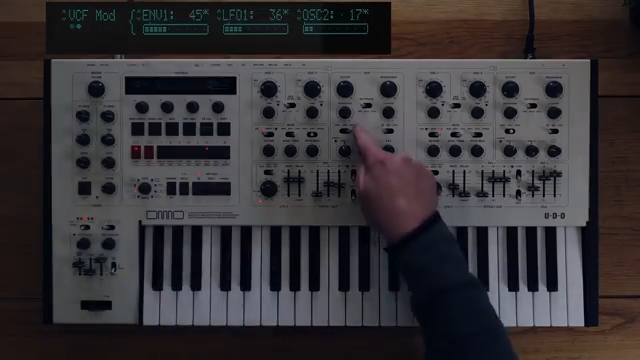
"Again, it's really super easy interface to use. Nothing is hidden or too far away."
© Screenshot/Quote: Starskycarr (YouTube)
Sound Demos: From Lush to Lunatic
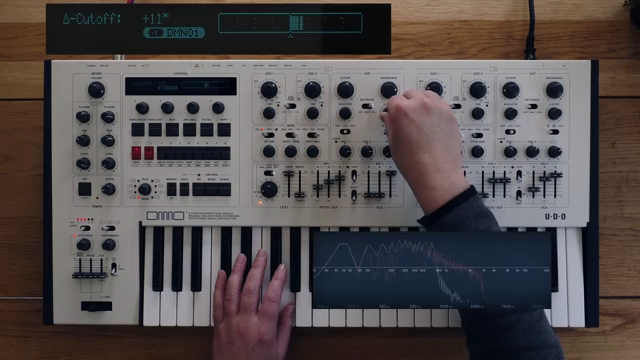
"So when I say there's a lot to explore in here, I'm really not joking."
© Screenshot/Quote: Starskycarr (YouTube)
If you want to know what the Domino can really do, you need to hear it in action—and Starsky delivers. The demos range from smooth, evolving pads to aggressive, gnarly textures that would scare a Super 6. The dual-engine architecture shines in split and layer modes, with arps and sequences bouncing between voices like a rave in a pinball machine.
Effects are no afterthought: chorus, drive, delay, reverb, and EQ all add serious flavour, and the stereo spread is wide enough to lose your socks in. The filter section is a rabbit hole of possibilities, but Starsky wisely keeps some of the madness under wraps—because, honestly, you need to hear this thing for yourself. The Domino isn’t just versatile; it’s a full-on sonic street weapon.
Verdict: A Playground for the Brave
Starsky doesn’t mince words: the UDO Domino is a synth for those who want to push boundaries and get their hands dirty. It’s not finished—there are a few quirks and missing features—but the core experience is already addictive. The build is quality, the interface is inviting, and the sound engine is wild enough to keep even the most jaded synth-heads busy for months. If you’re after a safe, vanilla polysynth, look elsewhere. But if you want a machine that rewards experimentation and feels like a proper instrument, the Domino deserves a spot in your sonic arsenal.
This article is also available in German. Read it here: https://synthmagazin.at/starsky-carr-entfesselt-den-udo-domino-hybrid-polysynth-im-ausnahmezustand/
Watch on YouTube:
Latest articles
Watch on YouTube:
Visit the channel:
https://www.youtube.com/StarskyCarr
https://www.youtube.com/StarskyCarr
Links from StarskyCarr:
Patreon: https://patreon.com/starskycarr
Instagram: https://instagram.com/starskycarr
Facebook: https://facebook.com/StarskyCarrOfficial
Sponsored links:
If you purchase via these links, we may earn a small commission – at no extra cost to you. The link opens an Amazon keyword search, and results may vary depending on availability.
UDO Domino
🔗 Check price on Amazon
🔗 Check price on Amazon