Starsky Carr lines up the Behringer BMX against the Sequential Drumtraks in a proper synth shootout to answer the eternal question: does vintage always win, or is modern budget gear finally ready to throw some elbows? Expect sharp feature breakdowns, brutal honesty about firmware flops, and plenty of sonic nitpicking. If you think the BMX is just a cheap clone, think again – but don’t expect a free pass for dodgy pads and dodgier apps. Starsky’s trademark clarity and streetwise sound design keep things real, with enough gritty detail to make even the most jaded drum machine addict reconsider what matters in the groove bunker.
26. May 2026
SPARKY
Starsky Carr Throws Down: Behringer BMX vs. Sequential Drumtraks – Vintage Hype or Modern Muscle?
Showdown: BMX vs Drumtraks – Old School vs New Blood
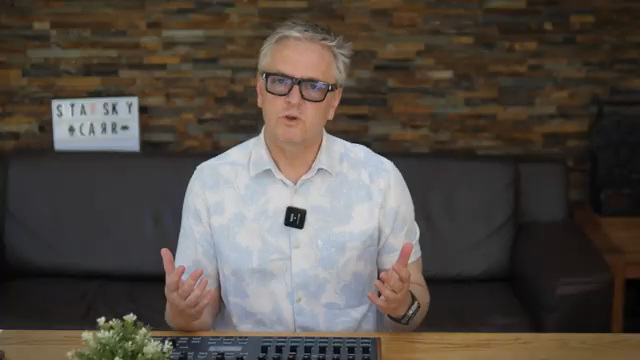
Starsky Carr wastes no time diving into the deep end, pitting the Behringer BMX against the vintage heavyweight Sequential Drumtraks. Forget the DMX – it’s off the table, thanks to wallet-based reality. The real question here is why we’re still obsessed with ancient 40-year-old boxes when modern kit does the job for a price that doesn’t require selling a kidney.
He breaks down the basics: both machines offer a dozen sounds, with the Behringer BMX flexing eight outputs to the Drumtraks’ six. You get more channels, more flexibility, and, crucially, the ability to sample straight into the BMX. On paper, the new kid looks set to steamroll the retro veteran, but as always, the devil’s in the dirty details.
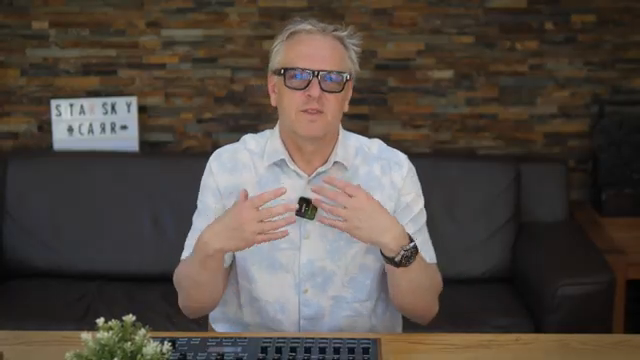
"Why do we have things like this or why do we still covet things like this, a beautiful 40-year-old instrument when we have things like this that can do the job just as adequately?"
© Screenshot/Quote: Starskycarr (YouTube)
The BMX Arsenal: Features That Hit Hard
"Surely you've got all the bases covered from the Drumtraks on BMX."
© Screenshot/Quote: Starskycarr (YouTube)
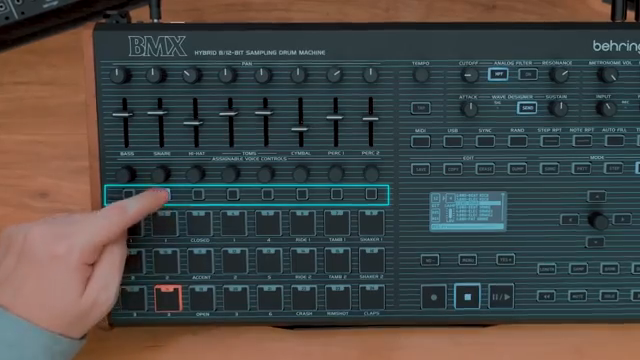
The BMX doesn’t just match the Drumtraks – it chews it up and spits it out feature-wise. Sixteen banks, 120 samples per bank, and 2020 more samples than the Sequential. There’s a proper distortion, sample direction tricks, looping, and a stack of performance controls. Mutes, solos, panning, and assignable knobs give you hands-on power that vintage heads could only dream of.
Programming patterns is a breeze with 16 songs and 24 patterns per song. Visual feedback is clear, and navigating the banks is quick. The BMX brings a performance-ready vibe that’s more street weapon than museum piece. For anyone wanting to customise, sample, and twist their drums in real time, this thing isn’t just ticking boxes – it’s kicking them down the stairs.
Taste Test: Sonic Differences That Matter
Here’s where things get nerdy. Sampling Drumtraks sounds directly into the BMX, Starsky finds that, despite identical source material, the BMX brings its own flavour. The tone isn’t a carbon copy – the Drumtraks’ analog filters and subtle quirks add character you can hear, especially on the toms. Frequency analysis exposes those differences: the Drumtraks sounds brighter, the BMX a bit darker and rounder.
Sample-rate detuning gets a close look, too. The BMX tries to mimic that vintage pitch-down sound, and while it’s close, it’s not always spot-on. Still, it’s a solid effort, and for most in the rave bunker, it’ll pass the dancefloor test. Some nuances are best judged by ear – so if you really care about the micro-details, you’ll want to watch the full video and hear the difference for yourself.
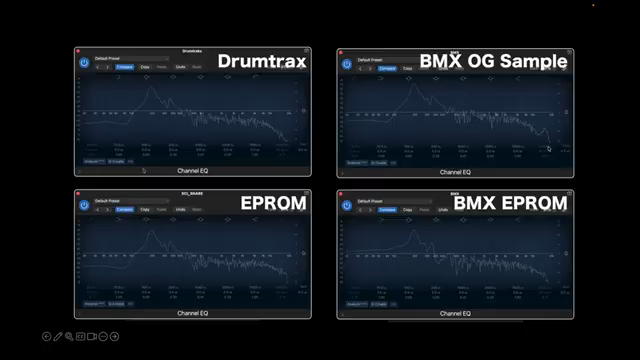
"These are really subtle differences but I've got to put them in the video otherwise in the comments people will pull out the fact that they are a bit different."
© Screenshot/Quote: Starskycarr (YouTube)
BMX Bruises: Where the Modern Clone Falls Short
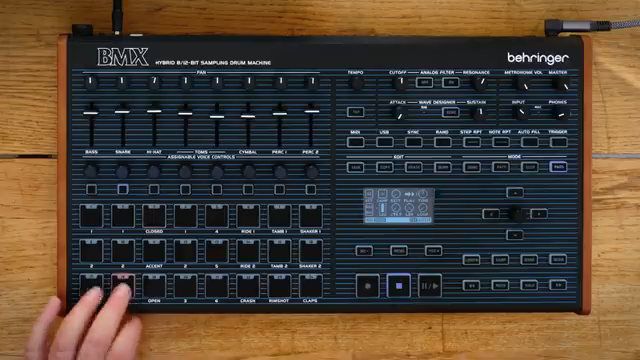
"You really do have to give them a bit of a wallop so it's not triggering there."
© Screenshot/Quote: Starskycarr (YouTube)
It’s not all sunshine and sample banks. Starsky calls out the BMX for some classic Behringer foibles. Pad sensitivity is a sore spot – you’ll need to give them a serious wallop to trigger reliably, and fast finger-drumming is more hassle than it should be. Clicks between samples pop up when playback isn’t finished, and waveform glitches can creep in, making things less than pristine.
Then there’s the SynthTribe app debacle: it’s basically MIA, which means loading and managing samples is a slow-motion nightmare. Firmware bugs don’t help, with occasional recording envelope weirdness and missing envelopes for hi-hats making some creative tasks harder than they should be. For all its power, the BMX still needs a few updates (and a working app) to truly rule the street.
Vintage Allure: Still Chasing That Old-School Magic
So after all the analysis, why reach for the Drumtraks at all? Starsky sums it up: there’s a certain charm to vintage boxes, a magic that new machines, however mighty, can’t quite clone. The 808s and 909s of the world have a vibe that keeps producers coming back for more – even when the modern stuff is cheaper, faster, and way more flexible.
In the end, the BMX is a monster for the money, but the intangible allure of vintage remains undefeated. If you’re after pure utility, the Behringer’s your street weapon. If you want romance and raw character, well, that’s why we still lust after old-school gear. For the real sonic dirt, though, you’ll have to watch Starsky’s full video – some secrets are best felt, not just read about.
This article is also available in German. Read it here: https://synthmagazin.at/starsky-carr-im-haertetest-behringer-bmx-vs-sequential-drumtraks-vintage-mythos-oder-moderner-punch/
More articles about these products:
Watch on YouTube:
Latest articles
Watch on YouTube:
Visit the channel:
https://www.youtube.com/StarskyCarr
https://www.youtube.com/StarskyCarr
Links from StarskyCarr:
Patreon: https://patreon.com/starskycarr
Instagram: https://instagram.com/starskycarr
Facebook: https://facebook.com/StarskyCarrOfficial
Sponsored links:
If you purchase via these links, we may earn a small commission – at no extra cost to you. The link opens an Amazon keyword search, and results may vary depending on availability.
Behringer BMX
🔗 Check price on Amazon
🔗 Check price on Amazon
Sequential Drumtraks
🔗 Check price on Amazon
🔗 Check price on Amazon