Forget the synth museum – Starsky Carr is here to prove you don’t need a bank loan or a warehouse of vintage gear to nail the sounds of Jean Michel Jarre’s Oxygène Part 4. In this rapid-fire, no-fluff tutorial, Starsky slices through the hype and shows how you can wrangle those iconic tones out of almost any synth or plugin with a couple of oscillators and a bit of attitude. Expect deep dives, dirty tricks, and a healthy disrespect for preset culture. If you want to learn how to make classic sounds with modern tools and a bit of grit, this is your rave bunker masterclass.
26. January 2026
SPARKY
Starsky Carr Breaks Down Oxygène Part 4: Synths for the Masses, Not Just the Elitists
Arturia ARP 2600, Arturia Jupiter-8, Arturia Mini V, Arturia Prophet 5, Novation Summit
Oxygène for the People: No Vintage Museum Required
Starsky Carr kicks things off by smashing the myth that you need a wall of rare, vintage synths to recreate the magic of Oxygène Part 4. He’s not here to flex a gear collection – he’s here to show that with just about any synth or plugin, you can get those lush, iconic sounds. The only real requirement? Two oscillators, some basic sync, and unison. If your synth can do that, you’re in the club.
What’s refreshing is how Starsky doesn’t get bogged down in nostalgia or hardware snobbery. He’s all about making these classic tones accessible, whether you’re rocking a battered Novation Summit or some crusty VSTs. It’s a proper punk approach to sound design – use what you’ve got, and don’t let anyone tell you it’s not good enough.
"If you've got a synth with two oscillators per voice, it's got sync and it's got unison, you can make most of these sounds."
© Screenshot/Quote: Starskycarr (YouTube)
Oscillator Sync, Unison & Filter Envelopes: The Real MVPs
"Let's dive in and see how you can recreate these sounds with plugins."
© Screenshot/Quote: Starskycarr (YouTube)
Let’s get one thing straight: if you want those vintage Jarre tones, you need to get cosy with oscillator sync, unison, and filter envelopes. Starsky doesn’t just mention these – he drills into how they’re the backbone of every sound in the track. Forget endless menu diving; it’s about understanding what actually makes a patch come alive.
He walks through the gritty details, showing how these techniques aren’t just for the synth elite. Whether you’re using a software Prophet-5 or a hardware Summit, the same rules apply. It’s all about getting your hands dirty and learning what makes those classic sounds tick – not just copying presets like a robot.
From Noise Sweeps to Sync Leads: The Full Sonic Arsenal
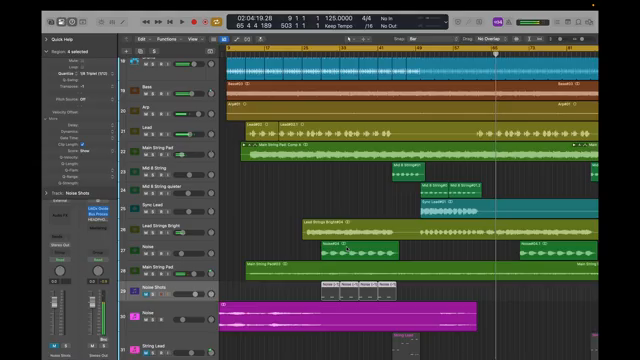
Starsky doesn’t mess about – he takes you step by step through every sound that makes Oxygène Part 4 a synth classic. Starting with atmospheric noise sweeps, he shows how to dial in that swirling, otherworldly vibe. Then it’s onto the bass, arps, and those pads that sound like they’ve been beamed in from a French spaceship.
The real highlight? Watching him break down the main lead and the string lead, showing exactly how to get that biting, expressive tone. He’s not just twiddling knobs for show – every move is explained, every tweak justified. This is the kind of tutorial that makes you want to pause, patch, and play along.
And let’s not forget the sync lead – the one everyone’s after. Starsky lays it out with no secrets, but if you want to hear how it really rips through a mix, you’ll need to watch the video. Some things just can’t be bottled in text.
"Now let's get into the sync lead, the one that everybody wants to know about."
© Screenshot/Quote: Starskycarr (YouTube)
Synthesis Fundamentals: Your Passport to Any Synth
"So if you want to learn how to make these sounds on your own synth, just follow along and you'll get there."
© Screenshot/Quote: Starskycarr (YouTube)
What sets this tutorial apart is Starsky’s relentless focus on fundamentals. He’s not just giving you a recipe for one synth – he’s teaching you the core techniques that work on anything with two oscillators and a filter. It’s like learning to fight with your fists instead of hiding behind a wall of presets.
This approach means you can take what you learn here and apply it to any synth, hardware or software. It’s proper street-level sound design – no excuses, no shortcuts. If you want to level up your patch game, this is the way.
Don’t Just Read – Watch, Patch, Repeat
Honestly, you can read about filter sweeps and sync tricks all day, but until you see and hear them in action, you’re missing the point. Starsky’s video is packed with real-time demos, A/B comparisons, and those little moments where a sound just clicks. If you want to actually get these tones under your fingers, grab your synth, hit play, and follow along. This is one of those rare tutorials where the action is as important as the explanation.
This article is also available in German. Read it here: https://synthmagazin.at/starsky-carr-zerlegt-oxygene-part-4-synths-fuer-alle-nicht-nur-fuer-elitisten/
Watch on YouTube:
Latest articles
Watch on YouTube:
Visit the channel:
https://www.youtube.com/StarskyCarr
https://www.youtube.com/StarskyCarr
Links from StarskyCarr:
Patreon: https://patreon.com/starskycarr
Instagram: https://instagram.com/starskycarr
Facebook: https://facebook.com/StarskyCarrOfficial
Sponsored links:
If you purchase via these links, we may earn a small commission – at no extra cost to you. The link opens an Amazon keyword search, and results may vary depending on availability.
Arturia ARP 2600
🔗 Check price on Amazon
🔗 Check price on Amazon
Arturia Jupiter-8
🔗 Check price on Amazon
🔗 Check price on Amazon
Arturia Mini V
🔗 Check price on Amazon
🔗 Check price on Amazon
Arturia Prophet 5
🔗 Check price on Amazon
🔗 Check price on Amazon
Novation Summit
🔗 Check price on Amazon
🔗 Check price on Amazon