What happens when the boundaries between modular synthesis, cybernetics, and techno dissolve? Signal Sounds invites Chris Miller—alias Gunnar Haslam, La Synthese Humaine, and more—for a conversation that ripples across eras, identities, and the glowing circuits of the Serge modular system. We drift through New York’s techno undercurrents, the elastic philosophy of aliases, and the hands-on realities of DIY synthesis. This episode is a nebula of ideas, where every patch cable could be a synapse connecting science, sound, and the search for new musical worlds. Dive in, and let your ears wander.
22. July 2026
LUMINA
Signal Sounds and Chris Miller: Where Serge, Cybernetics, and Sonic Storytelling Collide
Doepfer Modular System, Korg MS-20 Mini, Make Noise Rene, Mutable Instruments 0-Coast, Prism Circuits Paperface Panels, Random Source Serge Modules, Serge Modular Synthesizer
Wired for Feedback: Cybernetics and the Serge Modular
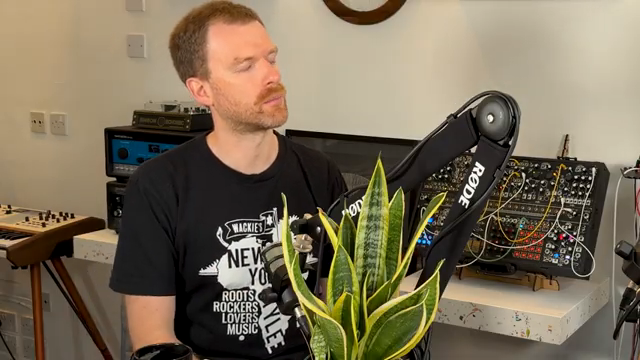
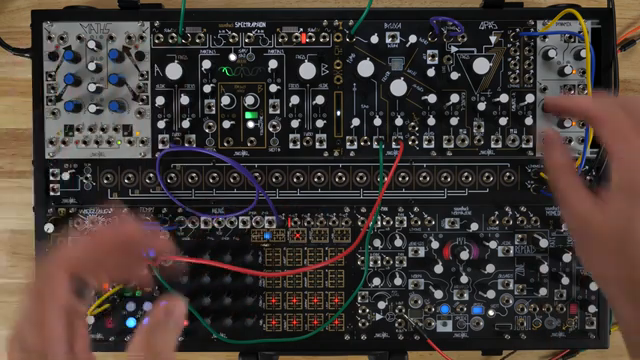
Chris Miller’s journey into synthesis is not a straight line, but rather a feedback loop—one that absorbs early encounters in New York’s music scene and re-emerges through the Serge modular. In conversation with Signal Sounds, Miller reveals how his attraction to the Serge was never just about making sounds, but about constructing living, responsive sonic systems. The Serge, for Miller, is less a tool and more a collection of raw ingredients, each patch a new recipe in the ongoing experiment of cybernetic sound design.
As Miller describes, the Serge modular invites a mindset that blurs the lines between creator and creation. Instead of pre-defined roles, modules in this system become roles in a drama of voltage, their identities shifting with every connection. This is synthesis as ecology, where each element listens and responds, evoking the spirit of cybernetics—systems in conversation with themselves, with the player, and with the wider world.
Aliases and Echoes: Techno’s Evolution and the Mask of Identity
The dialogue turns to techno’s shapeshifting history, and Miller’s own parade of aliases—Gunnar Haslam, La Synthese Humaine, and more. For Miller, adopting new names is an act of reinvention, a way to shed skins and keep creative energy alive. The conversation traces how, in the early 2000s New York scene, liking dance music could make you an outsider, and how identity—fluid, masked, sometimes unsearchable—became survival and subversion.
Yet, the mask of the alias is double-edged: every fresh moniker is both liberation and a leap into obscurity. This tension mirrors techno’s constant evolution, with Miller reflecting on attempts to intentionally misspell his artist name to avoid being easily found, creating an “ungoogleable” project. Through these layers, we see how artistic identity in techno is as mutable and recursive as the modular systems Miller loves.
Flux and Function: The Serge System’s Sonic Plasticity
Miller’s admiration for the Serge lies in its radical flexibility. Unlike the fixed voices of many synths, Serge modules are elemental—they can become anything, from oscillators to envelopes, depending on how they’re connected. Miller and the hosts speak of the system as a kitchen of ingredients, not finished meals. Each patch is improvisational: today, a slope generator is a modulation source; tomorrow, it’s a voice, or the heart of a feedback ecosystem.
This plasticity is what makes the Serge so resonant for experimental music. Miller describes how embracing these open-ended circuits invites a kind of sonic cybernetics: the module’s function emerges from the context, the moment, and the choices of the artist. The lines between audio and modulation, control and chance, are always in motion—each patch an invitation to co-create with the machine.
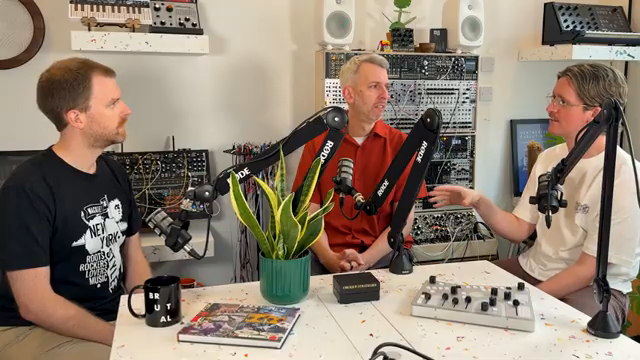
"The circuits are very low level. There's not much going on in them. And that means they're extremely flexible."
© Screenshot/Quote: Signal Sounds (YouTube)
DIY Nebula: Community, Access, and the Surge of Possibility
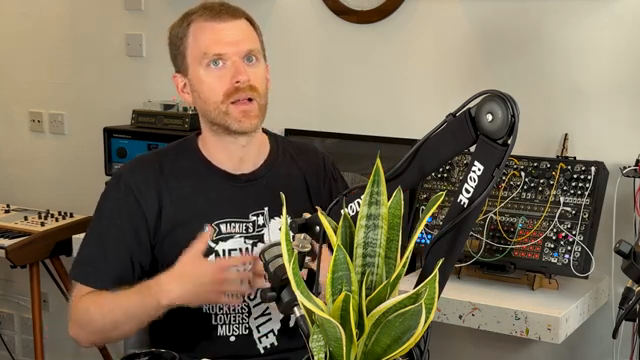
"I want to present ideas that people can engage with right now with whatever they have."
© Screenshot/Quote: Signal Sounds (YouTube)
The Serge community, Miller notes, is built on the ethos of DIY—of soldering, assembling, and learning by doing. The conversation drifts through the practicalities and pleasures of building your own systems, from assembling kits to navigating the mess of formats and panel types. For newcomers, the landscape can seem daunting, but Miller’s encouragement is gentle: DIY is less about technical mastery than about curiosity and willingness to explore.
Signal Sounds and Miller highlight the supportive networks that make Serge accessible: Discord groups, forum threads, and a culture of shared knowledge. In this nebula, every mistake is a lesson, and every hand-built module becomes both instrument and artifact. The journey is not just about sound, but about community, patience, and the satisfaction of hearing music through circuits you brought to life.
Further Orbits: Exploring Sound with La Synthese Humaine
As the conversation closes, viewers are invited to step deeper into Miller’s universe. His YouTube channel, La Synthese Humaine, is a living archive of sonic experiments—videos that don’t just show how, but why to explore. Here, cybernetics becomes not just a technical term, but a philosophy for music making: a way of thinking about sound as a living, evolving process. For those ready to drift further, Miller’s work is a constellation waiting to be explored.
This article is also available in German. Read it here: https://synthmagazin.at/signal-sounds-und-chris-miller-wo-serge-kybernetik-und-klangliches-erzaehlen-verschmelzen/
More articles about these products:
 Make Noise GTE: Rhythmic Alchemy and Modular Gatecraft
 Signal Sounds: One Year Inside the Cric’s Sonic Labyrinth
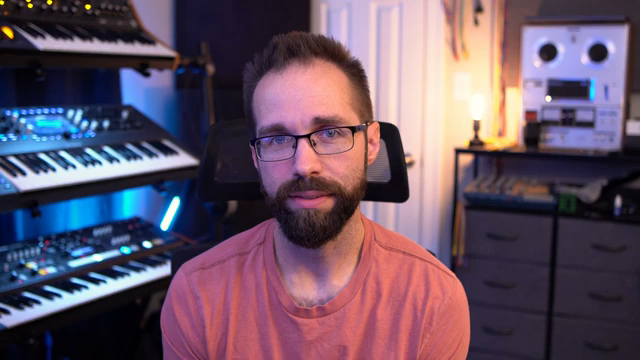 Finding Magic in What You Have with JamesonNathanJones
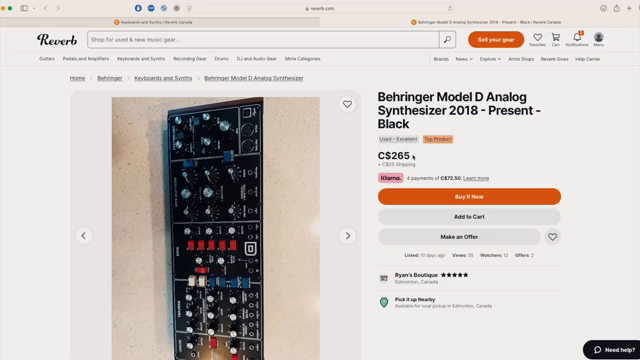 Devin’s Synth Picks: Wallet-Friendly or Hype Overload?
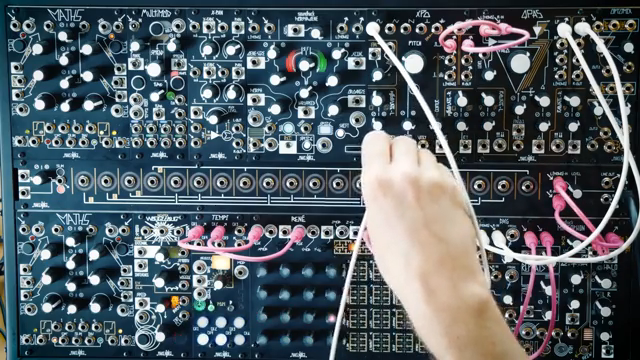 Make Noise XPO: Dual 1v/Oct Inputs—A Patchable Playground
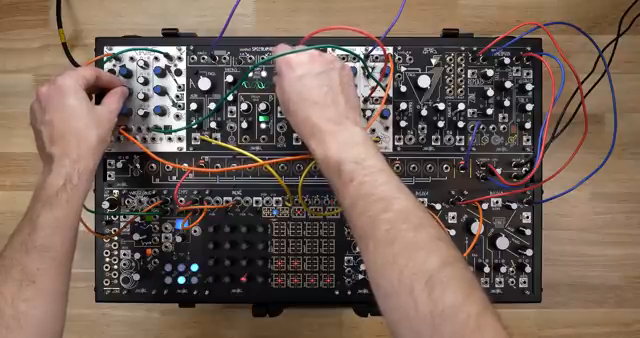 Make Noise SpectraNoise Update: James Cigler Unleashes Chaos and Noise on the Spectrophone
 Make Noise Bruxa: A Patchable Pathogen in the Modular Ecosystem
Watch on YouTube:
Latest articles
Watch on YouTube:
Visit the channel:
https://www.youtube.com/signal-sounds
https://www.youtube.com/signal-sounds
Links from signal-sounds:
website: https://www.signalsounds.com
instagram: https://www.instagram.com/signal_sounds
facebook: https://www.facebook.com/signalsoundsuk
Sponsored links:
If you purchase via these links, we may earn a small commission – at no extra cost to you. The link opens an Amazon keyword search, and results may vary depending on availability.
Doepfer Modular System
🔗 Check price on Amazon
🔗 Check price on Amazon
Korg MS-20 Mini
🔗 Check price on Amazon
🔗 Check price on Amazon
Make Noise Rene
🔗 Check price on Amazon
🔗 Check price on Amazon
Mutable Instruments 0-Coast
🔗 Check price on Amazon
🔗 Check price on Amazon
Prism Circuits Paperface Panels
🔗 Check price on Amazon
🔗 Check price on Amazon
Random Source Serge Modules
🔗 Check price on Amazon
🔗 Check price on Amazon
Serge Modular Synthesizer
🔗 Check price on Amazon
🔗 Check price on Amazon