Hold on to your filter caps: Scott’s Synth Stuff takes the Groove Synthesis 3rd Wave for a serious joyride, and this synth is no polite dinner guest. We’re talking 24 voices, real analog filters, sampling, and a wavetable engine that laughs in the face of nostalgia. Scott’s no stranger to hardware, but even he admits this blue beast is “a monster of a synth”. If you’ve ever wanted your stage rig to morph from gritty PPG classics to modern sonic chaos—with a secret weapon or two—this review is your ticket. Warning: you might want one after reading.
30. May 2026
SPARKY
Scott’s Synth Stuff Dives Into the Groove Synthesis 3rd Wave: Polyphony Overkill or Wavetable Dream Machine?
Blue Bunker: The 3rd Wave Arrives
Scott’s Synth Stuff doesn’t waste any time: the Groove Synthesis 3rd Wave lands on the table and instantly throws down with 24-voice polyphony, a proper analog filter, and enough digital firepower to make early PPG fans weep. This isn’t just a PPG clone; it’s a no-compromise, hybrid synth with a price tag to match—Scott calls it “a monster of a synth” and is refreshingly honest about the sticker shock. But after a month with it, he’s clear: “just wow,” the sound quality is something else entirely.
Built by synth diehards, this flagship doesn’t come from a faceless mega-corp. The 3rd Wave is all about pushing boundaries while still nailing that iconic 80s digital grit—if you want original PPG tones or modern, high-res wavetables, it’s all here. Four-part multitimbrality, sampling, and a workflow that shames most ‘menu-diver’ synths. Scott is upfront: this is for people who want all the toys in one box, and who don’t mind paying for it. The interface is mostly one-knob-per-function, and the connectivity is pure plug-and-play—no “driver hell” in sight. Studio or stage, this thing doesn’t care: it’s ready to flex.
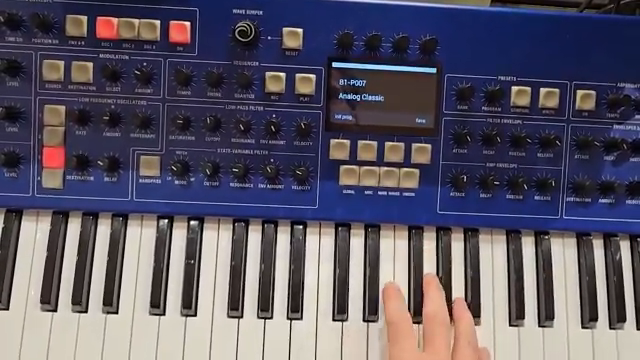
"This is just a monster of a synth."
© Screenshot/Quote: Scottssynthstuff (YouTube)
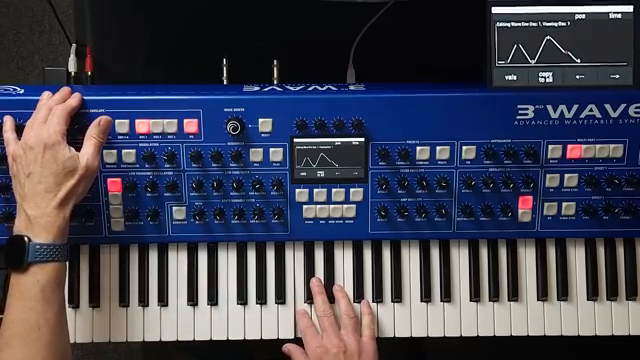
Wave Envelopes: Modulation Mayhem
"This allows you to modulate through the waveform of the wave table for this oscillator."
© Screenshot/Quote: Scottssynthstuff (YouTube)
Now for the 3rd Wave’s secret sauce: the wave envelope system. Forget your boring old filter sweeps—this lets you modulate each oscillator through its wavetable independently, with up to six stages per envelope. The result? Evolving, unpredictable timbres that would take a spreadsheet (and a migraine) to recreate on most other synths. It’s fast, hands-on, and Scott clearly loves how easy it is to get from static to totally bonkers.
You can set up each oscillator’s envelope to carve wildly different paths through their respective tables, and even loop the whole thing for endless morphing. If you want proper chaos, you can ditch the envelope and modulate with LFOs, the Wave Surfer knob, or just about anything in the matrix. This is the sort of feature that flips a synth from “nice” to “absolute weapon”—and the video is packed with examples that words just don’t do justice.
Analog Meets Digital: Filter Fisticuffs
Here’s where the 3rd Wave throws its weight: dual filter design. First up is a classic ladder-style analog low-pass—think Moog, but with resonance compensation that keeps the low-end solid even when you crank it. No anaemic bass here. Then, in serial, a digital state-variable filter that can morph from low-pass to notch to high-pass, all with its own envelope control. Scott’s demo makes it clear: this isn’t some limp digital add-on, but a filter combo that covers everything from lush pads to acid squeals.
If you want to mangle your sound into oblivion, the 3rd Wave’s filter section is a happy hunting ground. The envelopes can be classic linear or PPG-style exponential, and there’s enough modulation routing to make even the most demanding patch nerd smile. You want dirty, creamy, or surgical? It’s in here, and Scott’s walkthrough is a clinic in why hybrid doesn’t have to mean compromised.
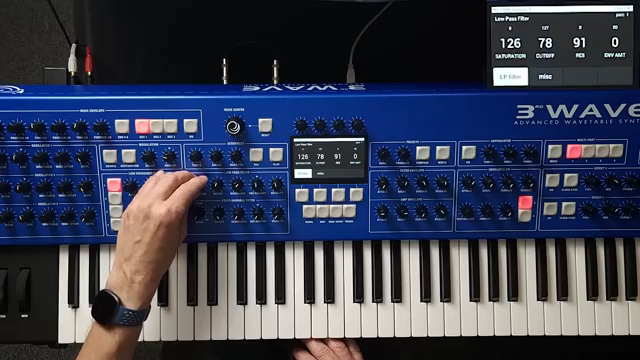
"You can't overdrive with saturations."
© Screenshot/Quote: Scottssynthstuff (YouTube)
Sound Demos: Street Weapon or Studio King?
Scott doesn’t just talk: he lets the 3rd Wave rip with a full track built entirely from its own engines—including sampled drums and internal FX. The results? Massive, punchy, raw. Whether it’s shimmering pads, rubbery bass, or classic 80s bells, there’s zero external processing—just the synth itself going full throttle. It’s the kind of demo that has you reaching for your credit card, then hiding it from yourself.
Beyond the studio, Scott points out how the four-part multitimbral design and flexible outputs make this a serious live tool. Route each part to a separate output, split the keyboard, layer up binaural patches—the 3rd Wave is as comfortable on stage as it is in a bunker studio. But let’s be real: you need to watch (and hear) the video to get the full impact. No written review can do these sound examples justice.
Strengths & Limitations: Worth the Hype?
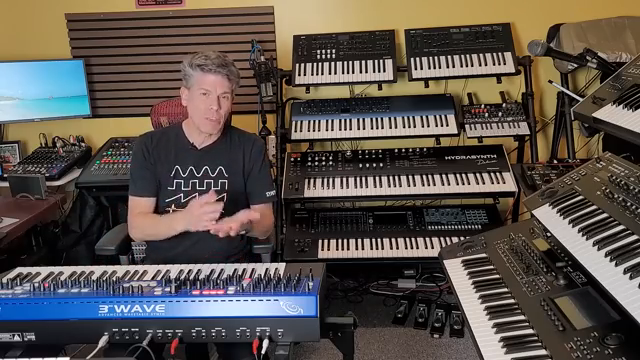
"They’re just eclipsed by the capabilities of this thing."
© Screenshot/Quote: Scottssynthstuff (YouTube)
Scott is crystal clear about what makes the 3rd Wave special: it’s insanely flexible, brutally powerful, and the wavetable engine is next-level. Importing, creating, and playing wavetables is so immediate you’ll forget about software editors—this synth just gets out of your way and lets you create. The build quality is tank-grade, and the UI is so logical Scott barely needed the manual. If you want a single synth that can cover analog, digital, FM, and sampled territory, this is it.
But nothing’s perfect. The price is high, sampling is a bit menu-heavy (thanks to being a later firmware add-on), and Scott’s not in love with the headphone jack placement or the filled-up preset banks. Still, the negatives are nitpicks compared to the sheer creative muscle on offer. If you want a street weapon that can play nice in the studio and destroy on stage, the 3rd Wave is a real contender—just don’t expect it to fit in your backpack or your budget.
This article is also available in German. Read it here: https://synthmagazin.at/scotts-synth-stuff-nimmt-den-groove-synthesis-3rd-wave-auseinander-polyphonie-overkill-oder-wavetable-traumwaffe/
More articles about these products:
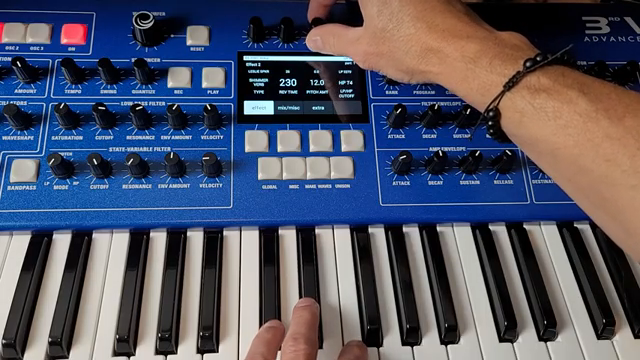 Scott’s Synth Stuff Unleashes Shimmer: 3rd Wave Firmware 2.0 Gets Lush and Lively
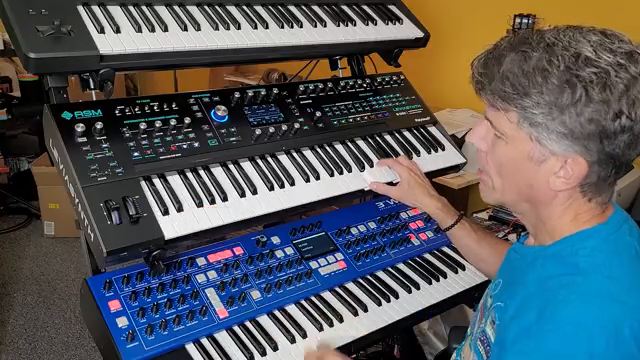 Scott’s Synth Stuff Throws Down: Leviasynth vs 3rd Wave – Evolving Sound Face-Off
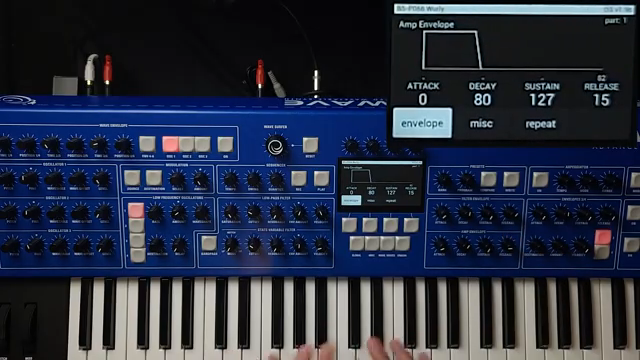 Scott’s Synth Stuff Gets Dirty: Cooking Up a Wurlitzer Patch on the 3rd Wave
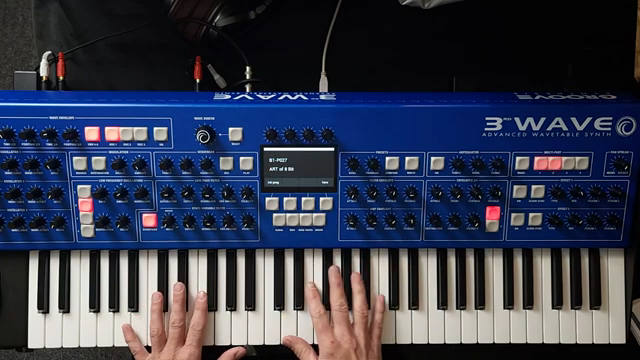 Scott’s Synth Stuff Throws Down: Groove Synthesis 3rd Wave — Future Nostalgia in a Box
 Scott’s Synth Stuff Unleashes the Groove Synthesis 3rd Wave: Wavetables Go Nuclear
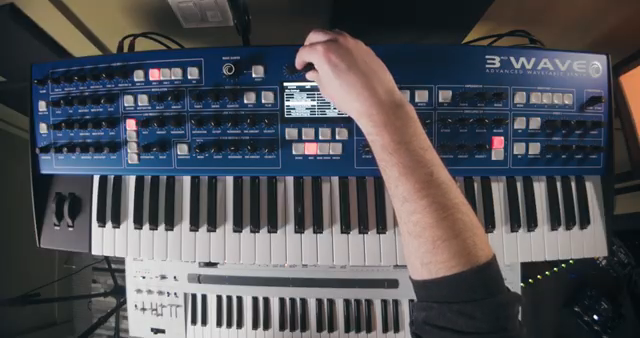 Devin Belanger’s Rave Bunker Showdown: 3rd Wave vs UDO Super Gemini
 Starsky Carr’s Synth Bunker: Vintage Heat Meets Modern Muscle
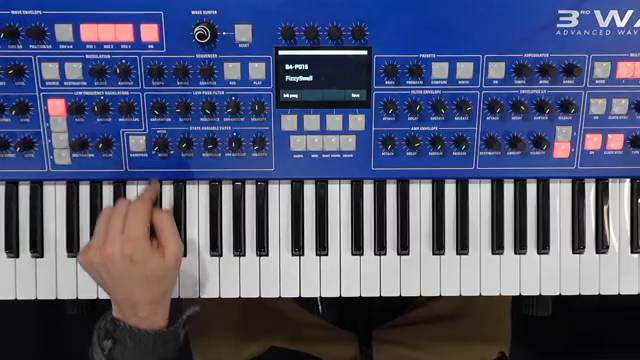 Sam Gutman Unleashes the 3rd Wave: Not Just Another Wavetable Warrior
 AudioPilz’s BAD GEAR Shopping Guide: Synths for Every Wallet and Weirdo
Watch on YouTube:
Latest articles
Watch on YouTube:
Visit the channel:
https://www.youtube.com/ScottsSynthStuff
https://www.youtube.com/ScottsSynthStuff
Sponsored links:
If you purchase via these links, we may earn a small commission – at no extra cost to you. The link opens an Amazon keyword search, and results may vary depending on availability.
Groove Synthesis 3rd Wave
🔗 Check price on Amazon
🔗 Check price on Amazon