Ever wonder why some tracks slap and others just sit there like cold pizza? Rapid Flow’s Erik is here to spill the secret sauce on groove, and trust me, it’s not about lining up every note like a robot. In this video, Erik breaks down why over-quantizing is the enemy of the pocket and shows how micro-timing, human feel, and a few clever hacks can make your beats move bodies. If you’re tired of your drums sounding like they came out of a spreadsheet, this one’s for you. Grab your headphones and let’s get messy—in the best way possible.
21. December 2025
RILEY
Rapid Flow’s Groove Science: Why Perfection Kills the Vibe
AKAI APC40 MKII, Akai MIDIMIX, ER-M Multi-Clock, Torso T1, Zen Sphere VST
Groove Ain’t About Perfection—It’s About Feel
Let’s get one thing straight: if you think nailing every note to the grid is the secret to a killer groove, you’re missing the point. Rapid Flow’s Erik kicks things off by admitting it took him years—like, a whole mixtape era—to figure out why perfection is actually boring. He’s not shy about calling out the over-quantized, lifeless beats that plague so many DAW sessions. Instead, he’s all about that human touch, the little imperfections that make your head nod for real.
Erik’s approach is refreshingly honest—he’s not here to flex technical jargon or drown you in specs. He’s got a knack for making the complicated stuff sound simple, showing that groove is more about vibe than math. If you’re chasing that magic pocket, sometimes you gotta let go of the ruler and trust your ears. The real sauce is in the feel, not the flawless execution.

"How do you unf**k your groove with electronic music?"
© Screenshot/Quote: Rapidflow Shop (YouTube)
Micro-Timing: The Secret Ingredient
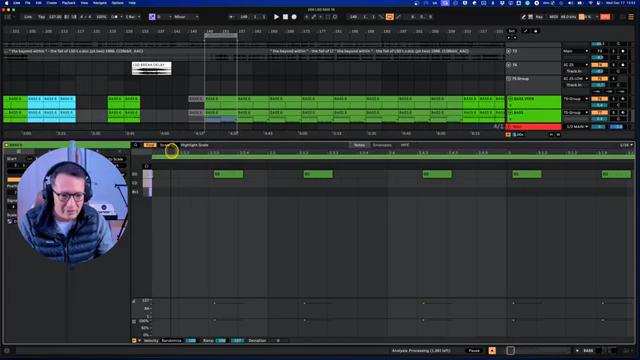
"You can probably see it's nowhere close to being on grid."
© Screenshot/Quote: Rapidflow Shop (YouTube)
Now, here’s where things get spicy. Erik dives into micro-timing, those tiny shifts that make a beat feel alive. He shows how his basslines aren’t glued to the grid—they’re dancing just off it, giving the track a swagger you can’t fake. Using tools like the Torso T1 and the Multi-Clock, he demonstrates how a little push or pull can turn a stiff loop into a groove monster.
It’s not about being sloppy—it’s about intentional looseness. Erik’s workflow is all about dialing in those subtle delays and advances, training your ear to spot when something’s just a hair ahead or behind. This is the stuff that separates bedroom beats from club bangers. If you want your tracks to breathe, you gotta get comfortable with the micro-moves.
Off-Grid Adventures: Keeping Listeners Hooked
Erik isn’t afraid to break the rules, and he wants you to do the same. He shows how experimenting with off-grid note placements can add complexity and keep your listeners guessing. By nudging MIDI notes around—sometimes just a smidge—he creates grooves that feel unpredictable but still tight. It’s like adding a dash of hot sauce to your fries: suddenly, everything pops.
He also drops some Ableton tricks for shifting entire clips and adjusting start points, making it easy to test out different feels without getting lost in the weeds. The message is clear: don’t be scared to mess things up a little. Sometimes, the best grooves come from happy accidents and bold moves. If you want your beats to stand out, get off the grid and see what happens.
Kick Drum Tightness: The Foundation of Groove
You want your groove to hit? Start with the kick. Erik hammers home the point that a tight, on-grid kick drum is non-negotiable. If your kick is sloppy, everything else falls apart faster than a cheap folding chair. He solos the kick, lines it up with the metronome, and shows how even a few milliseconds of drift can wreck the whole vibe.
He’s got some streetwise advice, too: use your controller’s dedicated buttons (like on the APC40 MKII) to make this process quick and painless. Once the kick is locked, you’re free to get wild with everything else. But don’t sleep on this step—if your foundation is shaky, no amount of fancy hi-hat shuffles will save you. This is the street food of beatmaking: simple, but if you mess it up, everyone notices.
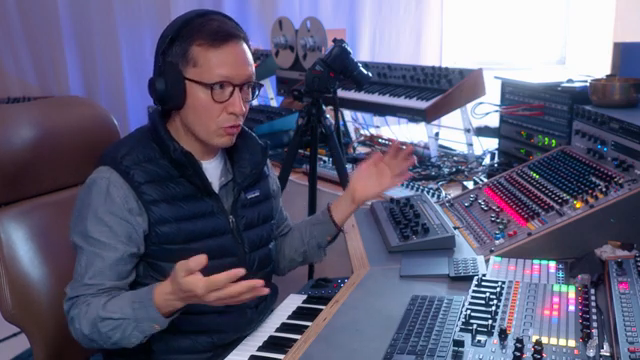
"There's like a million things that can go wrong here."
© Screenshot/Quote: Rapidflow Shop (YouTube)
Gear That Keeps the Groove Flowing
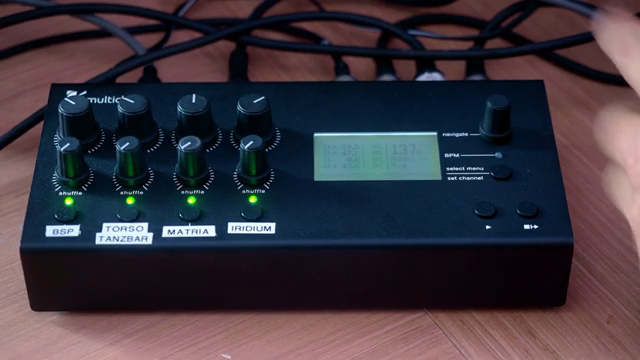
"Being able to turn a rotary trained my hearing to listen to these micro timing differences."
© Screenshot/Quote: Rapidflow Shop (YouTube)
Let’s talk toys. Erik’s workflow is all about using the right gear to make life easier and your sound fresher. He shouts out the Multi-Clock for its micro-timing magic, the Zen Sphere VST for clean synth lines, and the APC40 MKII for hands-on control. These aren’t just flex pieces—they actually speed up the process and help you dial in that elusive groove.
But here’s the kicker: Erik’s not about gear for gear’s sake. He’s all about using what works, whether it’s a fancy MIDI clock or a budget controller like the AKAI MIDIMIX. The point is to find tools that let you experiment, tweak, and vibe in real time. If you want to see how these boxes actually change the feel of a track, you gotta watch the video—some things just hit different when you see (and hear) them in action.
This article is also available in German. Read it here: https://synthmagazin.at/rapid-flow-und-das-groove-geheimnis-warum-perfektion-den-vibe-killt/
Watch on YouTube:
Latest articles
Watch on YouTube:
Visit the channel:
https://www.youtube.com/RapidFlow_Shop
https://www.youtube.com/RapidFlow_Shop
Links from RapidFlow_Shop:
Rapid Flow Store: https://rapidflow.shop
Instagram: https://www.instagram.com/rapidflow_shop/
Facebook: https://facebook.com/SetsunaMusic
Sponsored links:
If you purchase via these links, we may earn a small commission – at no extra cost to you. The link opens an Amazon keyword search, and results may vary depending on availability.
AKAI APC40 MKII
🔗 Check price on Amazon
🔗 Check price on Amazon
Akai MIDIMIX
🔗 Check price on Amazon
🔗 Check price on Amazon
ER-M Multi-Clock
🔗 Check price on Amazon
🔗 Check price on Amazon
Torso T1
🔗 Check price on Amazon
🔗 Check price on Amazon
Zen Sphere VST
🔗 Check price on Amazon
🔗 Check price on Amazon