Pierre Piscitelli takes his audience on a groovy journey into the world of Supertramp’s iconic ‘The Logical Song’. With his signature educational flair, Pierre dissects this classic tune, laying out chord structures and rhythms with ease and a touch of nostalgia. Whether you’re a seasoned pianist or a beginner, Pierre’s insights will resonate as he honors the musical legacy of Rick Davies and Supertramp.
16. September 2025
RILEY
Pierre Piscitelli’s Sonic Breakdown
CASIO PX-S7000, Garritan CFX Piano VST, iPhone 14 Pro, MacBook Pro, Neewer NL660 Lights, Sennheiser MKE600 Shotgun Microphone, Sony ZV-E10, Spectrasonics Keyscape, The Famous E Eletric Piano Plugin, Yamaha CP40, Yamaha CP73, Yamaha HS5, Yamaha MG12XU
A Tribute to Supertramp
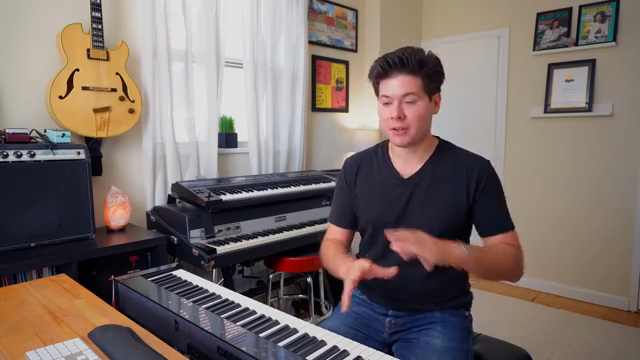
The video kicks off with Pierre Piscitelli setting the stage by honoring the late Rick Davies from Supertramp. Rick’s music has left an indelible mark on Pierre, making “The Logical Song” a fitting tribute. Pierre reminisces about the band’s use of the Wurlitzer piano, highlighting its distinct sound that’s different from the Rhodes piano. This sets the context for the tutorial, grounding the lesson in rock history.
"Last week, Rick Davies passed away from the band Supertramp, one of my all-time favorites."
© Screenshot/Quote: Pierrejpiscitelli (YouTube)
Unlocking the Intro
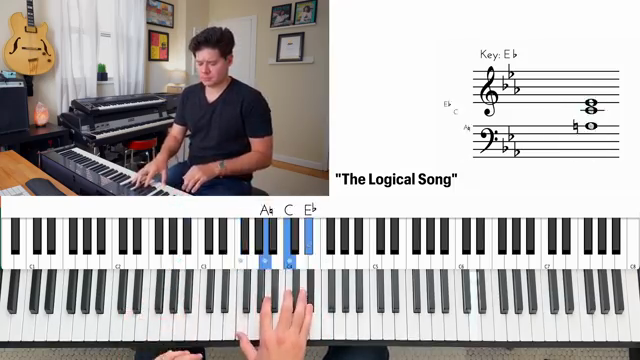
Pierre dives into the tutorial, starting with the iconic intro of “The Logical Song.” He breaks down the C minor chord, sharing how the right hand plays it out, emphasizing the use of eighth notes. It’s all about layering the accents on the first and fourth beats, giving it that punch that fans recognize. Pierre makes it accessible, with little tricks to hit those notes like a pro, admitting the demands it places on one’s right hand. He navigates through each bar, encouraging viewers not to just play notes, but to feel the rhythm’s essence. By aligning the left hand to this groove, a kind of synergy emerges, transforming a simple sequence into a classic harmony.
Chords Made Easy
In this section, Pierre methodically explains the verse chords, covering C minor, A flat major seven, and more. He shares the subtle manner in which the thumb glides across keys to shift into new chords like G minor seven and B flat major. The groove isn’t just in playing but in knowing when to let the bass take over, with Pierre suggesting simple root notes for the left hand. His clarity in breaking down each chord positions this tutorial as a must-watch for anyone wanting to master this track, teaching not just fingering, but feel.
Groovin' Through the Chorus
"I'll play it for you. I love this."
© Screenshot/Quote: Pierrejpiscitelli (YouTube)
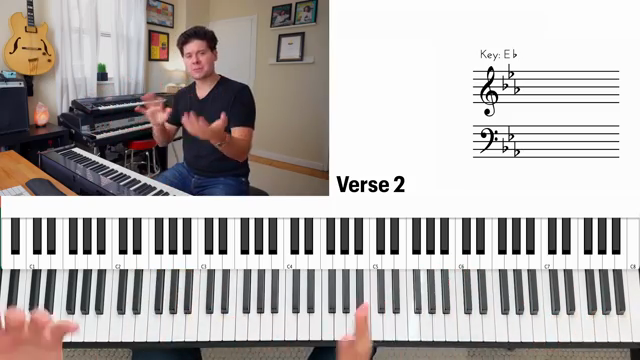
Nailing the chorus, Pierre shows how to bring out the melody through a series of cascading chords. From E flat major to A half-diminished, he walks viewers through the two-bar sequences that hook listeners. With hands moving in sync, Pierre demonstrates the importance of accents on specific beats, transforming sheet music into living melody. This part takes the viewer on a ride, reinforcing the idea that music is more than notes—it’s an experience. The real magic is in Pierre’s ability to make these advanced techniques feel just within reach, capturing that Supertramp spirit.
Sax Solo Survival
As the sax solo approaches, Pierre ups the ante, guiding the audience to play verses an octave higher. He adds a little spice by demonstrating how to incorporate the melody within chords, using the top fingers to highlight the song’s memorable themes. These small additions are what make this tutorial shine, giving learners the tools to elevate their performances beyond the basics. Pierre isn’t just teaching songs, but imparting a deeper understanding of musical interpretation.
Outro on High Notes
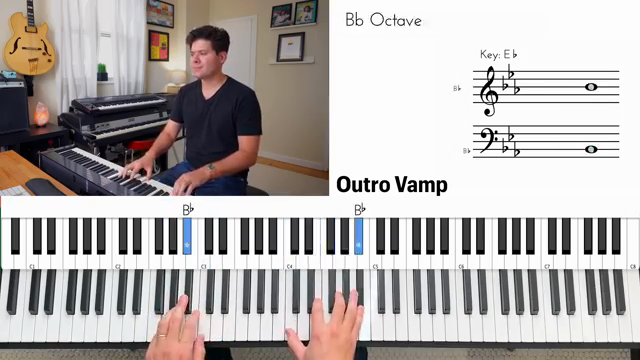
In wrapping things up, Pierre dives into the outro, unveiling a vamp that loops with an infectious energy. He breaks down the use of C7 and F minor chords, not just as notes to play, but as elements of a groove that musicians can jam to. With tips on how the left hand syncs with the right, Pierre wraps the lesson with style. His insight into Supertramp’s unique sound offers not just a lesson in piano but a masterclass in capturing a band’s essence through keys.
"I love that. There's nothing more super tramp than that."
© Screenshot/Quote: Pierrejpiscitelli (YouTube)
This article is also available in German. Read it here: https://synthmagazin.at/pierre-piscitellis-klangliche-analyse/
Watch on YouTube:
Latest articles
Watch on YouTube:
Visit the channel:
https://www.youtube.com/pierrejpiscitelli
https://www.youtube.com/pierrejpiscitelli
Links from pierrejpiscitelli:
Official Website: https://pierrepiscitelli.com
How Perfect is Perfect Pitch?: https://youtube.com/watch?v=IYSLQRTKlKo
Patreon: https://patreon.com/PierrePiscitelli
Book a Lesson!: https://calendly.com/pierrejpiscitelli
Sponsored links:
If you purchase via these links, we may earn a small commission – at no extra cost to you. The link opens an Amazon keyword search, and results may vary depending on availability.
CASIO PX-S7000
🔗 Check price on Amazon
🔗 Check price on Amazon
Garritan CFX Piano VST
🔗 Check price on Amazon
🔗 Check price on Amazon
iPhone 14 Pro
🔗 Check price on Amazon
🔗 Check price on Amazon
MacBook Pro
🔗 Check price on Amazon
🔗 Check price on Amazon
Neewer NL660 Lights
🔗 Check price on Amazon
🔗 Check price on Amazon
Sennheiser MKE600 Shotgun Microphone
🔗 Check price on Amazon
🔗 Check price on Amazon
Sony ZV-E10
🔗 Check price on Amazon
🔗 Check price on Amazon
Spectrasonics Keyscape
🔗 Check price on Amazon
🔗 Check price on Amazon
The Famous E Eletric Piano Plugin
🔗 Check price on Amazon
🔗 Check price on Amazon
Yamaha CP40
🔗 Check price on Amazon
🔗 Check price on Amazon
Yamaha CP73
🔗 Check price on Amazon
🔗 Check price on Amazon
Yamaha HS5
🔗 Check price on Amazon
🔗 Check price on Amazon
Yamaha MG12XU
🔗 Check price on Amazon
🔗 Check price on Amazon