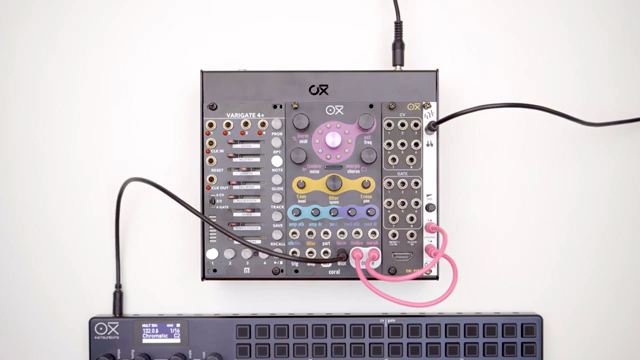
OXI Instruments, the Spanish innovators behind the OXI One and Coral modules, have dropped a fresh firmware update for their Coral Eurorack module, introducing the new ACID engine. This update brings a 303-inspired mono synth voice to the Coral, complete with a variable-shape virtual analog oscillator, post-filter distortion, and a filter tuned for proper squelch. In their official tutorial, OXI walks through the new features, showing how classic acid lines can be sculpted via hands-on controls and clever modulation. If you’re after that signature resonance and accent snap, this update promises to put a smile on any modular acid fiend’s face.
8. May 2024
MILES
OXI Instruments Unleashes ACID: 303-Style Squelch in the CORAL 2.0 Update
ACID Engine: 303 DNA in a Eurorack Shell
The OXI CORAL’s new ACID engine is introduced as a 303-style mono synth, aiming squarely at the classic acid sound palette. OXI Instruments positions this as their take on the legendary TB-303, but with a modern twist: a variable-shape virtual analog oscillator that morphs smoothly between saw, square, and pulse waves. The focus is on capturing the essence of that iconic squelch, but with added flexibility for today’s modular setups.
Post-filter distortion is also on board, allowing users to push the sound into grittier territory. The engine is designed to be played monophonically, with the accent and glide behaviours that define acid basslines. As with other OXI Instruments products, the workflow is intended to be fast and hands-on, making it easy to dial in those signature acid tones without menu diving.
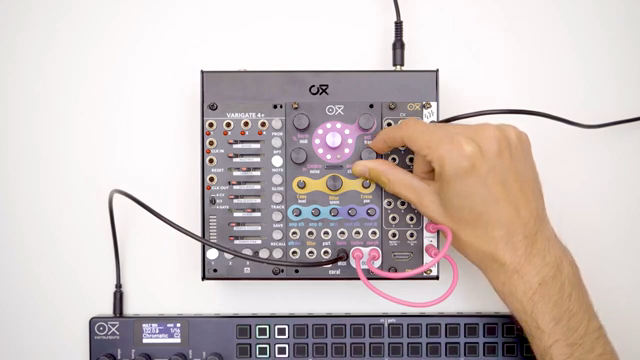
"ACID is a 303 style mono synth with built in distortion and it sounds like this."
© Screenshot/Quote: Oxiinstruments (YouTube)
Knobs That Matter: Timbre, Harm, and Morph
"With the Morph control, we can set the accent amount."
© Screenshot/Quote: Oxiinstruments (YouTube)
The tutorial dives into the core controls that shape the ACID engine’s sound. The Timbre knob lets you sweep the oscillator waveform from saw at the far left, through square in the centre, to a tight pulse at the right. This continuous morphing is a departure from the fixed waves of vintage acid boxes, offering more sonic territory for adventurous patchers.
Distortion is handled by the Harm knob, which sets the amount of post-filter overdrive. This is crucial for dialing in the right amount of bite and aggression, especially when paired with the filter’s resonance. The Morph knob, meanwhile, is dedicated to accent amount—controlling how pronounced those classic acid accents become, both in terms of distortion and filter envelope modulation.
Glide: Slippery Notes, Two Ways
Achieving that essential acid glide is straightforward on the CORAL. The video demonstrates two approaches: using CV, simply patch a volts-per-octave signal and a gate, then send glides from your sequencer or adjust pitch while the gate is held. For MIDI users, the trick is to set up a mono part and send legato notes—overlapping or nearly overlapping notes will trigger the glide, just as on classic acid machines. This flexibility means you can integrate the ACID engine into both modular and MIDI-centric rigs without missing a beat.
Accent: The Secret Sauce of Acid
Accents are a defining feature of the acid sound, and the CORAL’s ACID engine gives you several ways to inject them into your sequences. The Morph knob sets the accent amount, but how you trigger accents depends on your control method. With MIDI, any note with a velocity above 100 is treated as accented, while lower velocities remain unaccented. This allows for dynamic, expressive programming straight from your DAW or hardware sequencer.
If you’re working with CV, you can send a gate to the amp input to accent individual steps. Accented notes are played with increased distortion and a more pronounced filter envelope, giving that signature snap and drive. The tutorial also shows that you can use the velocity or modulation outputs from a sequencer to modulate these parameters, opening up further creative possibilities for live tweaking and generative patches.
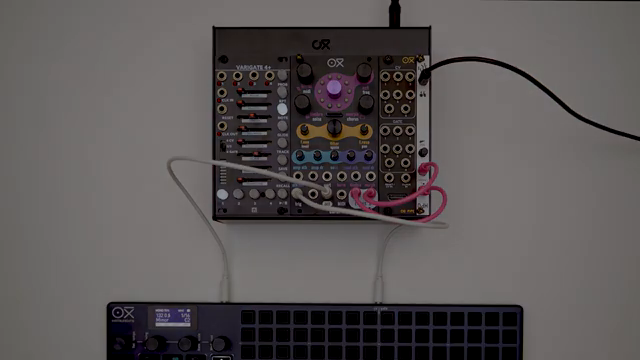
"The accent is an important characteristic of the ACID sound."
© Screenshot/Quote: Oxiinstruments (YouTube)
Delay and More: The 2.0 Polish
The latest firmware doesn’t just stop at the ACID engine. OXI Instruments has added a delay effect and other improvements to the Coral, rounding out its sonic capabilities. While the video keeps the focus on acid, the addition of delay hints at even more textural and rhythmic possibilities for users willing to explore beyond the squelch.
This article is also available in German. Read it here: https://synthmagazin.at/oxi-instruments-entfesselt-acid-303-squelch-im-coral-2-0-update/
Watch on YouTube:
Latest articles
Watch on YouTube:
Visit the channel:
https://www.youtube.com/oxiinstruments
https://www.youtube.com/oxiinstruments
Links from oxiinstruments:
website: https://oxiinstruments.com
instagram: https://www.instagram.com/oxiinstruments
facebook: https://www.facebook.com/oxiinstruments/
support: https://oxiinstruments.com/support
Sponsored links:
If you purchase via these links, we may earn a small commission – at no extra cost to you. The link opens an Amazon keyword search, and results may vary depending on availability.
OXI Instruments Coral
🔗 Check price on Amazon
🔗 Check price on Amazon