OXI Instruments, the Spanish purveyors of hands-on sequencing hardware, make a compelling case for ditching the mouse and embracing tactile control with their flagship OXI One. In this official video, OXI lays out eight reasons why an external sequencer—specifically the OXI One—can transform your music-making, from nimble pattern building to on-the-fly harmonisation. The presentation is packed with practical demonstrations, showing how the OXI One’s flexible modes, harmonic tools, and standalone portability can slot into any studio or live rig. For those who think in voltages and crave a distraction-free workflow, this is a tour worth patching into.
28. November 2024
MILES
OXI Instruments and the Art of Sequencing: Why the OXI One Wants to Be Your Creative Brain
Sequencer as the Studio Brain
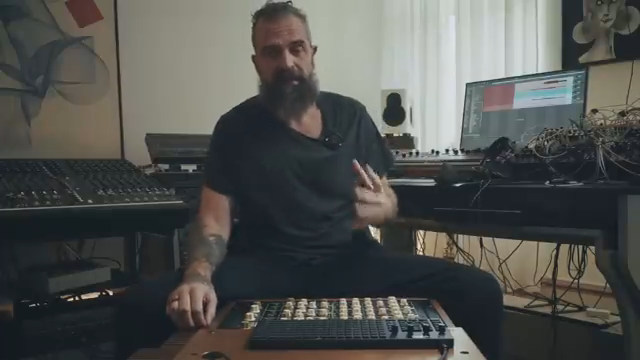
The video opens with a direct pitch for the value of external hardware sequencers, positioning the OXI One as a central hub for modern music creators. OXI Instruments frames the sequencer not just as a utility, but as the brain of any electronic setup, capable of translating musical ideas into actionable instructions for synths, drum machines, Eurorack systems, and even VSTs. This is a familiar refrain for those of us who’ve spent years wrangling patch cables and MIDI leads, but the emphasis here is on how the OXI One can unify disparate gear into a coherent workflow.
The presenter makes it clear that the OXI One is intended to enhance the music production experience, not just add another box to the table. By acting as a command centre, it promises to streamline the creative process, making it easier to get ideas out of your head and into your hardware. The video sets the stage for a practical exploration of how this sequencer can become indispensable for both composition and performance.
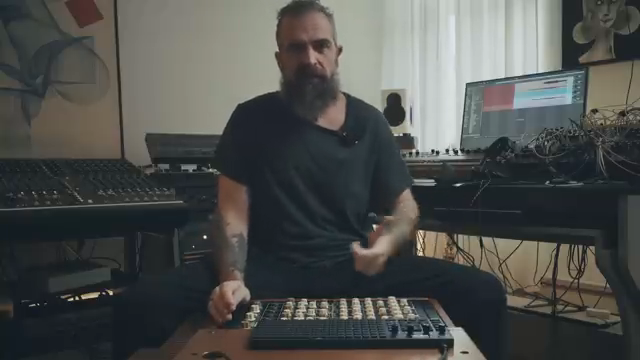
"It became the brain of your setup."
© Screenshot/Quote: Oxiinstruments (YouTube)
Six Modes, Infinite Patterns
Diving into the nuts and bolts, the OXI One’s flexible sequencing capabilities are put on display. The device offers six sequencing modes, but the video focuses on the bread-and-butter mono and multi-track options. The presenter walks through building a pattern from scratch, showing how easy it is to assign tracks to different MIDI channels and voices, quantise notes to a chosen scale, and layer parts for synths and drums. The interface encourages experimentation, letting users quickly add, edit, and manipulate patterns without menu-diving.
Multi-track mode gets special attention, allowing the OXI One to send separate messages to multiple channels—ideal for controlling several voices or instruments at once. The ability to adjust parameters like velocity and gate length per step adds further nuance, letting you inject life and variation into sequences. The workflow is clearly designed for fast iteration, making it simple to build up complex arrangements or tweak patterns on the fly.
Harmonisation: Chords on Demand
"OxyOne has an amazing harmonization mode that allows you to create on the fly great harmonic progression."
© Screenshot/Quote: Oxiinstruments (YouTube)
One of the standout features highlighted is the OXI One’s harmonisation function. This tool enables users to generate harmonic progressions in real time, turning simple sequences into rich, evolving musical textures. By selecting chord mode and predefining a set of chords, the user can instantly harmonise multiple tracks with the press of a button. The video demonstrates how triggering different chords causes all relevant tracks to follow, making it easy to experiment with progressions without laborious reprogramming.
For anyone who’s struggled with static, repetitive patterns, this harmonisation mode is a breath of fresh air. It invites improvisation and spontaneous composition, allowing for quick shifts in mood and tonality. The feature is shown as both a creative shortcut and a deep compositional tool, especially valuable in live or generative contexts.
Standalone or Centrepiece: Multiple Workflows
The OXI One is presented as a chameleon, equally at home as a standalone music-making device or as the central hub in a larger setup. The video details how its multiple CV and MIDI outputs allow seamless integration with both vintage analog gear and modern digital instruments. Whether you’re running a compact live rig, controlling a sprawling Eurorack system, or pairing with VSTs, the OXI One adapts to the task.
Portability is another key theme: the unit’s compact, battery-powered design means it can function independently, freeing you from the tyranny of the computer and studio desk. The presenter points out that this flexibility supports a variety of workflows, from mobile sessions and couch jams to complex live performances. The OXI One’s adaptability is clearly a selling point for those who want a sequencer that doesn’t dictate how you make music, but rather fits into your existing creative habits.
Hands-On Creativity and Computer-Free Focus
The final section of the video is a manifesto for hands-on, distraction-free music making. OXI Instruments argues that external sequencers like the OXI One liberate users from the mouse, screen, and endless plugin menus, fostering a more direct connection to sound. The tactile interface—knobs, buttons, and grid—encourages experimentation and spontaneous ideas, which can be lost in the click-heavy world of DAWs.
The presenter underscores that this approach leads to better focus, more inspired results, and a workflow that’s dictated by the user rather than the computer. Features like pattern chaining, song mode, and the aforementioned harmonisation ensure that the creative process remains fluid and engaging. For those seeking to escape digital distractions and reconnect with the physicality of music making, the OXI One is positioned as both a tool and a creative partner.

"You can twist knobs, press buttons, and interact directly with your music."
© Screenshot/Quote: Oxiinstruments (YouTube)
This article is also available in German. Read it here: https://synthmagazin.at/oxi-instruments-und-die-kunst-des-sequenzierens-warum-das-oxi-one-dein-kreatives-gehirn-sein-will/
Watch on YouTube:
Latest articles
Watch on YouTube:
Visit the channel:
https://www.youtube.com/oxiinstruments
https://www.youtube.com/oxiinstruments
Links from oxiinstruments:
website: https://oxiinstruments.com
instagram: https://www.instagram.com/oxiinstruments
facebook: https://www.facebook.com/oxiinstruments/
support: https://oxiinstruments.com/support
Sponsored links:
If you purchase via these links, we may earn a small commission – at no extra cost to you. The link opens an Amazon keyword search, and results may vary depending on availability.
Oxi One
🔗 Check price on Amazon
🔗 Check price on Amazon