Forget polite filter sweeps and vanilla presets—Oscillator Sink dives headfirst into the Luna from Neutral Labs, a synth that’s more logic gate than love song. This isn’t your nan’s Minimoog; it’s a semi-modular beast built on binary, CMOS chips, and the sort of square waves that could start a pub fight. Oscillator Sink, known for his calm, methodical style, takes a scalpel to Luna’s chaos, showing how its retro Lunetta DNA and modern tricks make it a playground for the sonically adventurous. If you’re after clean, safe sounds, jog on. But if you want a synth that thinks in ones, zeros, and glorious noise, stick around—this one’s for the misfits.
6. April 2026
JET
Oscillator Sink’s Luna Review: Binary Logic, Punk Attitude, and Synth Mayhem
Binary Bedlam: Luna’s Lunetta Roots
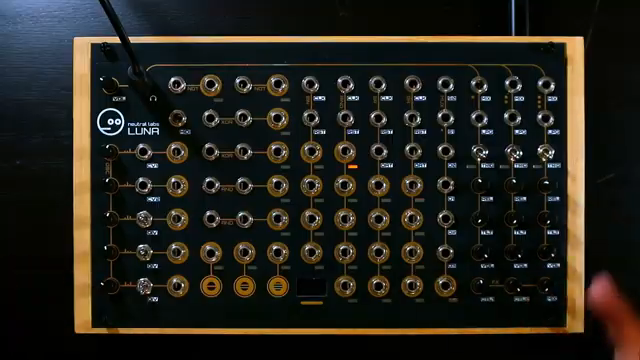
The Luna from Neutral Labs isn’t just another synth with a pretty face—it’s a semi-modular monster built on binary logic, straight out of the mad scientist playbook of the 70s and 80s Lunetta scene. Oscillator Sink wastes no time making it clear: this thing’s got CMOS chips, square waves, and logic gates at its core, and it’s not here to play nice. Instead of chasing the same tired analog warmth, Luna’s all about the raw, digital edge—where rhythm is just harmony slowed to a crawl, and every patch feels like a circuit board brawl.
What sets Luna apart is its refusal to be pigeonholed. It’s got the spirit of DIY synth lunacy, but with a modern twist—think pitch quantisation, MIDI control, and digital effects bolted on for good measure. Oscillator Sink’s approach is as methodical as ever, but even he admits Luna’s design makes you rethink what a synth can be. If you’re after a polite, predictable instrument, Luna’s not your mate. But if you want a box that encourages you to break the rules and get your hands dirty, this is it.
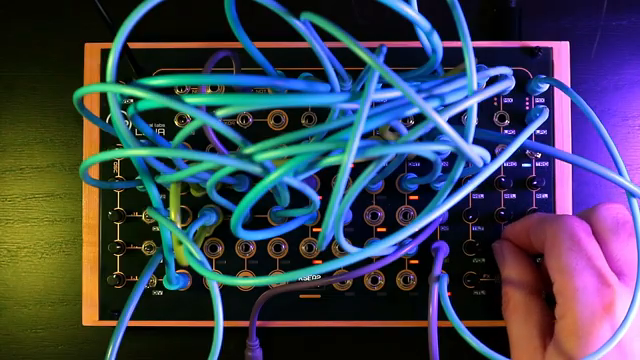
"Its design leads to a semi-modular instrument where rhythm is just harmony slowed down."
© Screenshot/Quote: Oscillatorsink (YouTube)
CMOS Mayhem: Oscillators as Clocks and Chaos Engines
Luna’s heart beats with five square wave oscillators, all thinking in binary—on or off, no in-between. Three are freely tunable, covering everything from subsonic rumbles to clicky LFOs, while the other two are under digital control, ready for pitch quantisation and sequencing. Oscillator Sink shows how these oscillators aren’t just sound sources—they’re clocks, modulators, and the start of all sorts of sonic mischief.
The beauty (or brutality) of Luna is that you decide what’s what. Want to use an oscillator as a wild LFO? Go for it. Fancy turning your pitch sequencer into a rhythm generator? Easy. With a three-channel mixer and low pass gates, plus dirty digital effects, Luna’s architecture is a playground for anyone who likes their synths unpredictable and a bit unruly. It’s not about pristine tones—it’s about bending the rules until they snap.
Logic Gates Unleashed: Synthesis Gets Rowdy
"If you just heard the phrase binary logic and binary processing and that made you feel queasy and uneasy I totally get it."
© Screenshot/Quote: Oscillatorsink (YouTube)
Here’s where Luna really bares its teeth. Oscillator Sink dives into the logic modules—AND, XOR, NOT gates, binary counters, rings, shift registers, and multiplexers—each one a tool for mangling signals and creating patterns that’d make a sequencer blush. These aren’t just academic toys; they’re the backbone of Luna’s sound, letting you build everything from crunchy ring mods to evolving, off-kilter rhythms.
The AND gates act like binary VCAs, the XORs deliver metallic, three-dimensional chaos, and the NOTs flip signals upside down for modulation trickery. Binary counters and rings become clock dividers and sequential switches, while shift registers spit out endless, unpredictable rhythms. The multiplexer? That’s your ticket to instant chaos, switching signals faster than a dodgy DJ at closing time. Sink’s calm explanations are a nice counterpoint to the sheer madness on offer, but make no mistake—this is synthesis for the brave.
Patchwork Pandemonium: Rhythm, Tone, and Total Mayhem
If you want to see Luna’s true colours, you’ve got to watch Oscillator Sink patch it up. He starts with step sequencing and synchronised grooves, then quickly veers into algorithmic rhythm generation and logic-driven sequencing that leaves conventional step sequencers in the dust. The video is packed with examples: shifting octaves with the muxer, creating evolving patterns with shift registers, and using logic gates to turn basic triggers into complex, ever-changing beats.
What’s brilliant (and a bit bonkers) is how Luna encourages you to think sideways. You’re not just patching sounds—you’re building logic circuits, setting up feedback loops, and letting chaos reign. Some of the best moments are impossible to explain in text; you’ve got to see and hear the Luna in action to appreciate just how wild it gets. This is a synth that rewards experimentation, and Oscillator Sink’s demos make a strong case for ditching the manual and diving in headfirst.
Get Stuck In: Luna’s Patch Potential and Creative Anarchy
Oscillator Sink wraps up by urging viewers to treat Luna not just as a synth, but as a creative challenge. It’s a niche instrument, sure, but one that forces you to patch differently, think in binary, and embrace the unexpected. Whether you’re using Luna as a sound source, a rhythm generator, or an algorithmic sequencer for your wider modular rig, it’s all about breaking habits and finding new ways to make noise.
If you’re the type who likes your synths safe and sensible, Luna’s probably not for you. But if you want to get your hands dirty, mangle some signals, and come out the other side with sounds you never expected, this box is a proper punk in a world of polite digital clones. The real magic? It’s in the patching—so watch the video, nick some ideas, and then go make a glorious racket of your own.
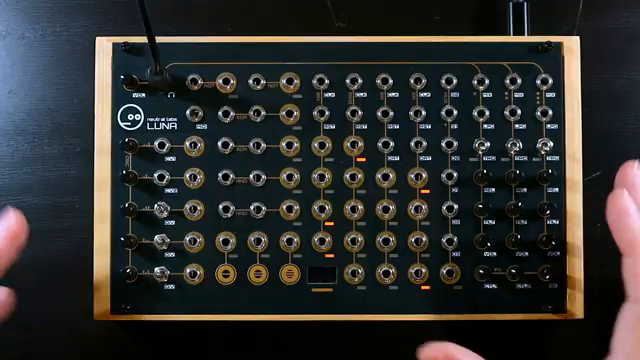
"One of the ways that I've got the most value from my time using Luna is actually how it's given me a space to think about patching in different ways."
© Screenshot/Quote: Oscillatorsink (YouTube)
This article is also available in German. Read it here: https://synthmagazin.at/oscillator-sink-und-die-luna-binaere-logik-punk-attituede-und-synth-chaos/
Watch on YouTube:
Latest articles
Watch on YouTube:
Visit the channel:
https://www.youtube.com/OscillatorSink
https://www.youtube.com/OscillatorSink
Links from OscillatorSink:
website: https://oscillatorsink.com
instagram: https://www.instagram.com/oscillatorsink
twitter: https://x.com/OscillatorSink
facebook: https://www.facebook.com/OscillatorSink
bandcamp: https://oscillatorsink.bandcamp.com
gumroad: https://oscillatorsink.gumroad.com
Sponsored links:
If you purchase via these links, we may earn a small commission – at no extra cost to you. The link opens an Amazon keyword search, and results may vary depending on availability.
Neutral Labs Luna
🔗 Check price on Amazon
🔗 Check price on Amazon