Arturia’s AstroLab 37 just landed, and MusicRadar Tech wastes no time getting their hands dirty. This pint-sized performance keyboard promises the full Analog Lab experience in a form factor that won’t break your back or your bank. But does shrinking the AstroLab make it a street weapon for gigging producers, or is it just another plastic pretender? We dive into the quirks, the killer features, and the bits that’ll have you swearing at your Wi-Fi. If you’re after a no-fluff verdict on whether this synth is worth your hard-earned cash, you’re in the right rave bunker.

4. December 2025
SPARKY
MusicRadar Tech Puts the AstroLab 37 to the Test: Small Keys, Big Moves?
AstroLab 37: Pocket-Sized Powerhouse or Just Shrunk in the Wash?
Arturia’s AstroLab 37 is the latest in their line of performance keyboards, packing the Analog Lab engine into a 37-key, slimmed-down body. It’s basically the V Collection in a lunchbox, promising the same sonic arsenal as its bigger siblings but in a much more portable shell. MusicRadar Tech wastes no time pointing out that this is the most likely model to end up in actual studios and on stages, simply because it’s not the size of a surfboard.
The review kicks off with a classic love/hate rundown, but let’s be honest—this thing’s main selling point is that it’s compact without being anaemic. You’re not losing the core features, just some of the bulk. For anyone who’s ever tried to lug an 88-key monster to a gig, the AstroLab 37 is already looking like a winner. But does the shrink ray come with compromises? Hold that thought.
Fits Anywhere—Even Your Overcrowded Studio
The AstroLab 37’s biggest flex is its size. Whether you’re a live performer with a stage rig that’s already bursting at the seams or a bedroom producer working out of a shoebox flat, this synth slides right in. MusicRadar Tech is quick to note that it’s ideal as a top synth for gigging musicians or as the main board for those with limited space.
It’s not just about portability, though. The review makes it clear that you’re still getting the full AstroLab experience—minus a few rear-panel sacrifices. If you’re tired of rearranging your entire setup every time you want to try a new keyboard, this one’s for you. No more Tetris with your gear just to fit one more synth on the desk.
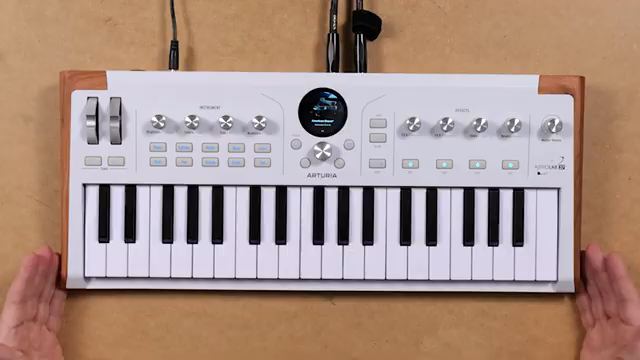
"It's going to fit anywhere, isn't it?"
© Screenshot/Quote: Musicradartech (YouTube)
Macros, Menus, and the App: Streamlined Control
"I much prefer this. You can actually still see what you're doing when you're scrolling through, unlike the other one where your hand was kind of in the way and you're not going to get your fingerprints all over it."
© Screenshot/Quote: Musicradartech (YouTube)
Arturia hasn’t skimped on the AstroLab 37’s feature set. You still get those all-important macro knobs for both instrument and effects control, plus the usual pitch and mod wheels. The interface has been tweaked—gone is the old dialled screen, replaced by a fixed display and a separate navigation knob. According to MusicRadar Tech, this is a win: no more fingerprints all over your screen or awkward hand gymnastics while scrolling.
The real party trick is the AstroLab Connect app. It hooks up via Wi-Fi, letting you browse, edit, and organise sounds from your phone. The app mirrors the hardware’s menu system but adds some handy extras, like a playlist function for live sets and more detailed control over effects parameters. It’s not perfect (more on that later), but it’s a big step towards making the AstroLab ecosystem feel modern and flexible.
Aftertouch Woes and App Aggravations
Now for the gripes. First up: aftertouch. Yes, it’s there, but the slim keybed means you barely get any travel, making nuanced expression a bit of a pipe dream. MusicRadar Tech points out that while it’s cool to have, you’ll be fighting the keys if you want anything beyond basic wobbles. And forget about mapping aftertouch to macros on the hardware—you’re stuck doing that in software, which feels like a missed trick for live performance.
Then there’s the app. While the AstroLab Connect app is great in theory, in practice it’s a bit flaky. Connection issues, dropouts, and a general sense that you shouldn’t wander too far from your keyboard or you’ll lose your link. MusicRadar Tech is hopeful future updates will sort this, but for now, it’s more of a nice idea than a rock-solid tool. If you’re banking on seamless wireless control mid-set, you might want to keep your expectations in check.
Despite these annoyances, the overall vibe is that the AstroLab 37’s positives outweigh its negatives—especially if you’re willing to live with a few firmware updates down the line. Just don’t expect perfection out of the box.
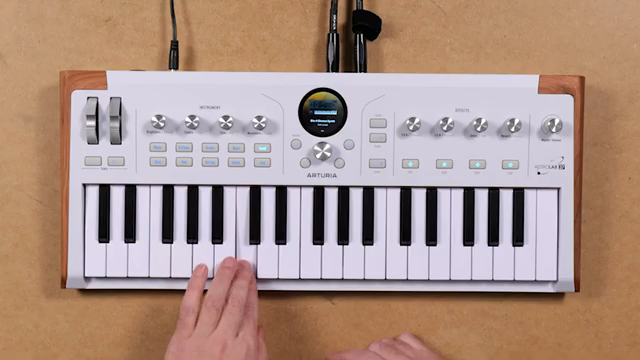
"It's really hard to sort of get nuanced and sort of build up that wobble to it."
© Screenshot/Quote: Musicradartech (YouTube)
Sound Demos: Proof in the Pudding
The video wraps up with a barrage of audio demos, showing off the AstroLab 37’s sonic muscle. From lush pads to biting leads, it’s clear this little box can hold its own in a mix. Even with the slim keys and the odd connectivity hiccup, the core sound engine is pure Arturia—fat, flexible, and ready to rave.
If you want to hear the AstroLab 37 really strut its stuff, you’ll need to watch the video. There’s only so much a written review can do for your ears, and the sound demos are where this synth earns its keep. Bottom line: if you’re after big sounds in a small package, this one’s worth a serious look.
This article is also available in German. Read it here: https://synthmagazin.at/musicradar-tech-testet-das-astrolab-37-kleine-tasten-grosse-moves/
Watch on YouTube:
Latest articles
Watch on YouTube:
Visit the channel:
https://www.youtube.com/MusicRadarTech
https://www.youtube.com/MusicRadarTech
Links from MusicRadarTech:
website: https://www.musicradar.com
instagram: https://www.instagram.com/musicradartech
Sponsored links:
If you purchase via these links, we may earn a small commission – at no extra cost to you. The link opens an Amazon keyword search, and results may vary depending on availability.
Arturia AstroLab 37
🔗 Check price on Amazon
🔗 Check price on Amazon