Molten Music Technology’s Robin Vincent takes the achingly hip Telepathic Instruments Orchid for a spin, asking the big question: is it a creative spark plug or just posh musical fluff? With his trademark blend of dry wit and brutal honesty, Robin dives into the Orchid’s shiny design, its instant chord magic, and the places where it falls flat on its plastic face. If you’re after a no-nonsense, groove-focused breakdown of this boutique box, you’re in the right rave bunker. Spoiler: it’s not all sunshine and Rhodes, but it might just kickstart your next tune.
27. January 2026
SPARKY
Molten Music Technology’s Orchid Review: Hipster Toy or Chord Weapon?
First Impressions: Hipster Chic with a Chord Twist
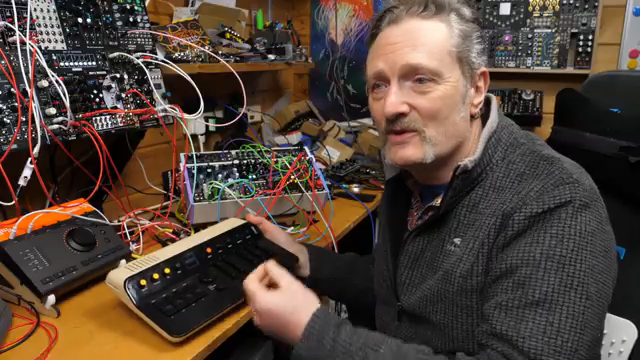
Robin Vincent wastes no time calling out the Orchid’s vibe: it’s a chord generator dressed up for a night out in Shoreditch. The marketing is all beautiful people and even more beautiful promo shots, but beneath the surface, it’s a machine built to spit out chord progressions and get you making music fast. The hardware is undeniably eye-catching, with a 70s hi-fi aesthetic and a design that practically begs to be fiddled with. It’s plastic, sure, but it’s got a certain lumpy charm that makes you want to poke at it just to see what happens.
The Orchid’s whole pitch is to inspire creativity by making chords stupidly easy. Robin’s not fussed about the celebrity connections or the hype—he’s here to see if it’s actually useful or just another overpriced toy for the Instagram set. And let’s be honest, the first playthrough already hints at the answer: it’s fun, it’s immediate, and it’s got enough groove to make you forget you’re not in a synth showroom. But is that enough to make it more than a flashy distraction?
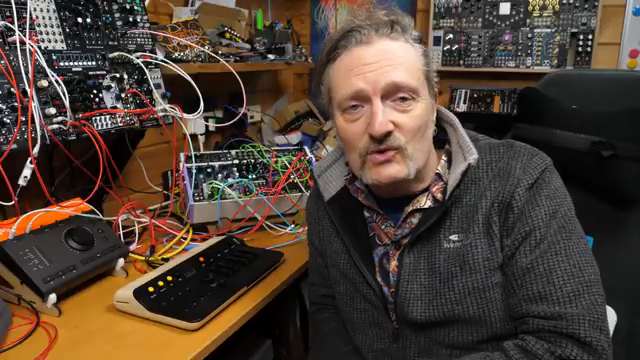
"Is it some overblown overhyped hipster piece of nonsense? Or is it actually a useful vaguely professional tool that's going to help us with our extraordinary adventures in music making?"
© Screenshot/Quote: Moltenmusictech (YouTube)
Sounds, Features, and the Glaring Gaps
"There's no line output there's no separate outputs there's no large jack outputs it's just a stereo mini jack on the back that you have to use for headphones and or going through some speakers as we are now."
© Screenshot/Quote: Moltenmusictech (YouTube)
The Orchid packs a surprising number of sounds—60, to be exact—ranging from vintage electric pianos to organs and synths, all with a solid retro flavour. There’s built-in drums (a sneaky surprise), a bass section, and a handful of effects like reverb, chorus, and delay. The controls are simple but effective, with performance options like strumming and arpeggiation to keep things lively. Robin points out that the sound quality is genuinely decent for what it is—no pointless swooshes, just usable tones for actual music-making.
But the gaps are hard to ignore. Outputs? Just a stereo mini-jack—no line outs, no big jacks, and absolutely no modular or CV/gate connectivity. MIDI out is there, but MIDI in is missing, and the USB implementation is, in Robin’s words, “a little bit hit and miss.” The screen is dim and fingerprint-prone, and the keyboard is missing a top C, which is just plain annoying for certain chord inversions. It’s a case of style over substance in places, and if you’re hoping to integrate this into a serious modular rig, you’ll need to get creative—or just accept its limitations.
Instant Inspiration: Chord Progressions at Warp Speed
Where the Orchid absolutely slaps is in its ability to generate musical ideas at the speed of thought. Robin highlights the key mode, which automatically maps chords to the right scale, letting you bash out progressions without thinking about theory. It’s a proper songwriting shortcut—just pick a key, mash some buttons, and suddenly you’re halfway to a pop tune. The performance features, like strumming and arpeggiators, add movement and make even the laziest chord stabs sound like you know what you’re doing.
It’s not just about the sounds; it’s about the workflow. The Orchid makes you want to play, and it’s almost impossible not to stumble into something catchy. Robin admits that even if you’re a jazz snob or a complex chord wizard, there’s something here to make you grin. But don’t expect deep editing or custom voicings—this is about instant gratification, not endless tweaking. If you want to see just how quickly it can spark an idea, you’ll need to watch the video for the full sonic fireworks.
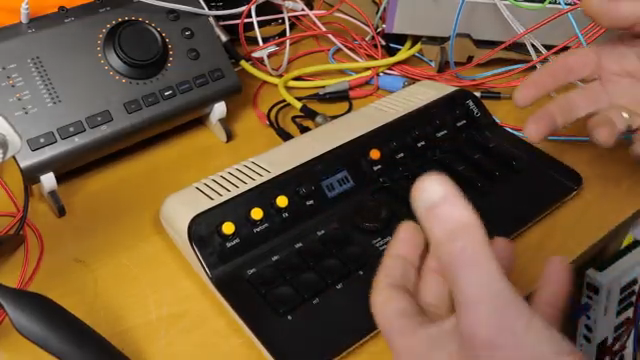
"You feel this this weird innate desire to create music almost immediately because I'm not thinking about the chords I'm just kind of randomly pressing keys but it's already putting these chords together for me which sound nice and make it feel like I'm actually doing something."
© Screenshot/Quote: Moltenmusictech (YouTube)
Looping, Recording, and the Limits of Fun
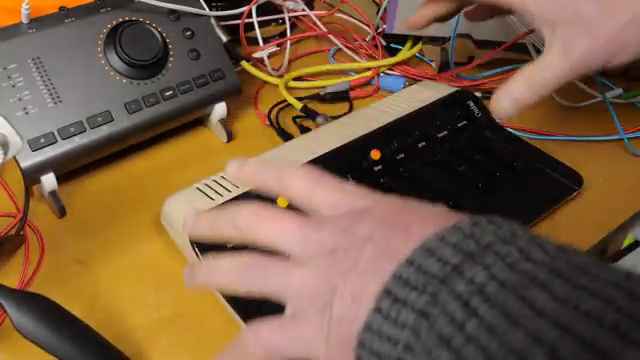
"How poor the looping and recording is because you want to do more I want to do more than that but now I've just got this one loop that I can go around with a handful of drums that's it."
© Screenshot/Quote: Moltenmusictech (YouTube)
Here’s where the Orchid’s rave bunker starts to look more like a garden shed. The looping and recording features are basic—Robin describes them as more MIDI recorder than true audio looper. You can overdub, but only so much before things get messy, and there’s no way to separate parts or build up proper arrangements. The drum section is hit and miss, sometimes refusing to show up when you want it, and the workflow can be frustrating with menus that vanish before you’ve finished tweaking.
Despite these quirks, the fun factor is real. The immediacy of capturing a groove is undeniable, but if you’re hoping for advanced song-building or DAW-style editing, you’ll be left wanting. The Orchid’s strengths are in sparking ideas, not finishing tracks. Robin’s honest about the limitations: it’s a blast to jam with, but don’t expect it to replace your main sequencer or looper. If you want to see the chaos in action—and the moments where it all falls apart—the video is a must-watch.
Final Verdict: A Quirky Addition to the Sonic Arsenal
So, is the Orchid a posh toy or a legit creative tool? Robin lands somewhere in the middle. It’s got charm, it’s got instant vibe, and it’s a killer way to kickstart new ideas. But the lack of proper outputs, limited looping, and absence of modular integration mean it’s not about to replace your Elektron or your modular brain. Where it shines is as a songwriting sidekick—something to plug into your DAW or MIDI rig when you want to shake things up.
Integrated into a bigger setup, the Orchid’s chord magic becomes genuinely powerful. Robin shows how it can drive other synths via MIDI and slot into a DAW workflow, turning its limitations into strengths when paired with more capable gear. It’s not perfect, and it’s definitely not for everyone, but if you’re after a box that spits out instant chord progressions with a side of hipster swagger, the Orchid might just earn its spot on your desk. As always, Molten Music Technology keeps it real—warts, wonders, and all.
This article is also available in German. Read it here: https://synthmagazin.at/molten-music-technology-und-das-orchid-hipster-spielzeug-oder-akkord-waffe/
Watch on YouTube:
Latest articles
Watch on YouTube:
Visit the channel:
https://www.youtube.com/MoltenMusicTech
https://www.youtube.com/MoltenMusicTech
Links from MoltenMusicTech:
website: https://moltenmusictechnology.com
twitter: https://x.com/MoltenMusicTech
Sponsored links:
If you purchase via these links, we may earn a small commission – at no extra cost to you. The link opens an Amazon keyword search, and results may vary depending on availability.
Telepathic Instruments Orchid
🔗 Check price on Amazon
🔗 Check price on Amazon