Arturia’s KeyStep Mk2 lands on the bench at Molten Music Technology, and Robin Vincent isn’t pulling any punches. This is the controller that’s haunted every modular show table for years, now with a fresh coat of features and a few controversial changes. Are the new tricks worth the trade-offs, or did Arturia just fix what wasn’t broken? If you’re the sort who likes your gear immediate, hands-on and ready to rumble, you’ll want to see how this one fares. Spoiler: it’s not all sunshine and firmware.
5. November 2025
SPARKY
Molten Music Technology’s KeyStep Mk2 Review: More Brains, Less Brawn?
A Beloved Classic Gets a Shake-Up
Arturia’s KeyStep has been the secret handshake of synth nerds and modular heads everywhere. Robin Vincent from Molten Music Technology sets the scene with a mix of nostalgia and dread: the original was nearly perfect, so why mess with it? The Mk2 arrives with a promise of more features, but also a whiff of potential disaster. If you’ve ever plonked a KeyStep down at a gig and just got on with it, you’ll understand the anxiety here.
The new model isn’t just a facelift. It’s a full-on rework, aiming to turn the KeyStep into a songwriting hub rather than just a dead-simple controller. Robin’s torn: there’s more power, but at the cost of that legendary immediacy. The Mk2 is still compact and cute, but now it’s got a screen, menus, and a learning curve. If you’re an old-school KeyStep fan, you might wince—but if you’re after more depth, there’s plenty to dig into.
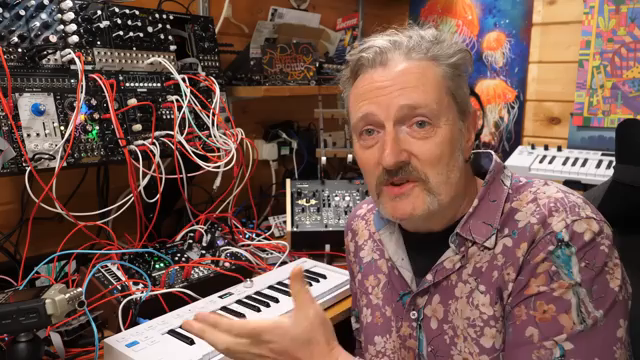
"They're going to make it complicated, they're going to introduce all sorts of features that we don't really think that we need and it's going to lose its immediacy."
© Screenshot/Quote: Moltenmusictech (YouTube)
Connectivity: Ports Galore, But at What Cost?
"There isn't anything except for all the bloody cables coming out of the back."
© Screenshot/Quote: Moltenmusictech (YouTube)
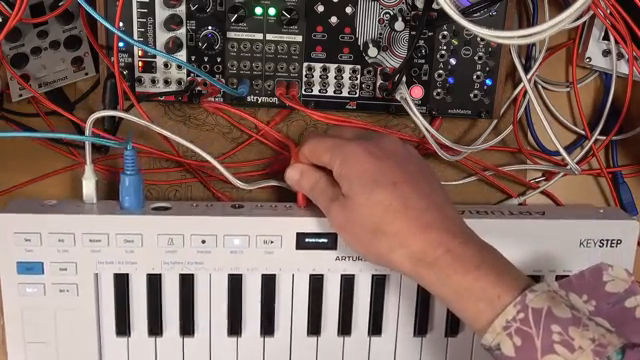
Arturia’s thrown the kitchen sink at the Mk2’s connectivity. USB-C power, on/off switch, extra modulation outs, sustain pedal—on paper, it’s a connectivity rave. But Robin’s not letting them off the hook: all those rear-facing cables make it a nightmare to butt up against your modular rig. Why not put the ports on the side, like any sensible person would?
There’s also the classic Arturia oversight: no labels on the top for the CV outs, so you’ll be flipping it over or scribbling on it yourself. At least the fiddly micro-switches are gone, replaced by screen-based settings. It’s a win for flexibility, but not quite the ergonomic revolution we were hoping for. If your studio’s a spaghetti junction of cables, prepare for some creative swearing.
The Knobless Dilemma: Losing the Hands-On Edge
Here’s where the old guard might start throwing toasters. The Mk2 ditches those three glorious knobs that made the original and the 37 so immediate. No more glancing down and knowing your tempo, division, or arp mode at a glance. Now it’s buttons, menus, and a screen—welcome to the age of menu-diving.
Robin’s not happy, and neither am I. The loss of instant control hits hardest for live performers and anyone who values muscle memory over menu memory. Sure, you’ll get used to it, but the workflow’s shifted from ‘slam and jam’ to ‘pause and ponder’. If you’re the type who wants to just get on and play, this change might sting.
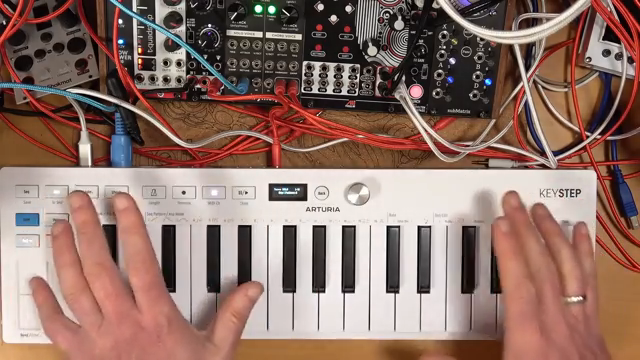
"Taking the knobs away seems to be the wrong direction for me."
© Screenshot/Quote: Moltenmusictech (YouTube)
Sequencer & Arp: More Tricks, More Twists
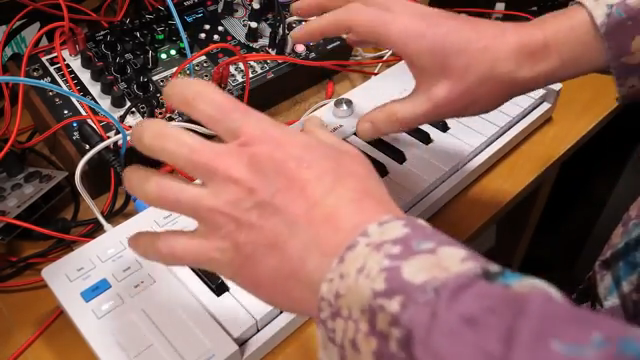
"It's pushing me towards a more creative space I think as opposed to just being a controller which helps me play with sound, it's becoming a controller that helps me actually make the music."
© Screenshot/Quote: Moltenmusictech (YouTube)
Let’s not pretend Arturia hasn’t packed the Mk2 with clever sequencing and arpeggiator features. The new pattern modes, mutate functions, and spice controls are a playground for melody-manglers. You can now save up to 64 sequences, chain patterns, and bounce ideas between the arp and sequencer like a sonic ping-pong match. The mutate button alone is a chaos engine—hit it for endless variations, but don’t expect to get back to where you started without some planning.
But here’s the rub: all this power comes at the cost of simplicity. What used to be a one-knob twist is now a button combo and a menu scroll. The creative possibilities are wild, but you’ll need to invest time to master the workflow. If you want to see just how deep the rabbit hole goes, you’ll need to watch Robin’s full video—words can’t do justice to the live jams and happy accidents on display.
A New Direction: Songwriting Over Speed
So, did Arturia ruin the KeyStep? Not quite—but they’ve definitely changed its DNA. The Mk2 is less about instant gratification and more about musical exploration. You get deeper sequencing, more modulation, and a controller that’s itching to help you write tunes, not just trigger sounds. For some, that’s a win. For others, it’s a detour away from what made the original so beloved.
Robin’s verdict is clear: if you crave immediacy, stick with your old KeyStep or the 37. But if you want a portable songwriting machine that can mutate, chain, and evolve your ideas, the Mk2 is a serious upgrade. Just be ready for a bit of a learning curve—and maybe a few firmware updates before it’s truly bulletproof.
This article is also available in German. Read it here: https://synthmagazin.at/molten-music-technology-testet-das-keystep-mk2-mehr-hirn-weniger-punch/
Watch on YouTube:
Latest articles
Watch on YouTube:
Visit the channel:
https://www.youtube.com/MoltenMusicTech
https://www.youtube.com/MoltenMusicTech
Links from MoltenMusicTech:
website: https://moltenmusictechnology.com
twitter: https://x.com/MoltenMusicTech
Sponsored links:
If you purchase via these links, we may earn a small commission – at no extra cost to you. The link opens an Amazon keyword search, and results may vary depending on availability.
Arturia KeyStep MK2
🔗 Check price on Amazon
🔗 Check price on Amazon