Replicating a sequence in modular synthesis isn’t just about copying notes—it’s about choosing where to tap into the signal flow and what you want to manipulate. In this latest video from MAKEN0ISE, the Asheville-based champions of experimental Eurorack, we’re treated to a deep dive into the MultiMod module’s ability to clone, phase, and mutate sequences at multiple points in your patch. The video walks through practical examples, from clock duplication to oscillator output copying, and explores how phase control, tempo syncing, and variable read shapes can transform rhythmic patterns. If you’re curious about new ways to disrupt and reimagine your modular sequences, this walkthrough is a patcher’s delight.
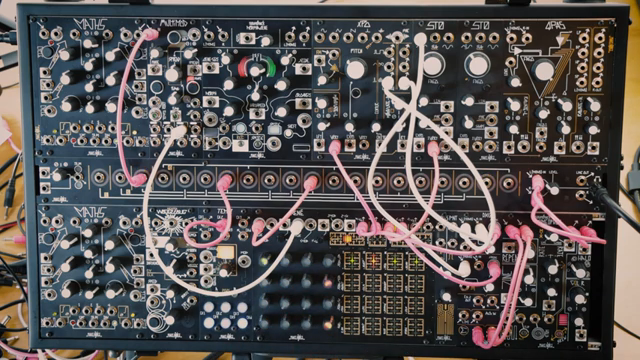
MultiMod: The Modular Copy Machine
The video opens by posing a deceptively simple question: how would you go about replicating a sequence in a modular system? MAKEN0ISE’s MultiMod is introduced as a versatile tool for this very task, inviting us to consider the many points in the signal chain where duplication can occur. Rather than limiting the idea of a “sequence” to just a string of notes, the video encourages us to see it as any series of events—be it audio, control voltage, or clock pulses.
This approach is classic MAKEN0ISE: instead of prescribing a single workflow, the MultiMod is presented as a device that thrives on the open-endedness of modular synthesis. Whether you want to copy the final audio output, the raw oscillator tones before effects, or the stepped voltages driving pitch, MultiMod gives you access to these intersection points. The emphasis is on flexibility and creative disruption, letting users decide where to intervene in the signal path.

"We can cut in and disrupt at any of these points, all of which work together in concert to determine the ultimate output."
© Screenshot/Quote: Maken0Isemusic (YouTube)
Signal Flow: Where to Tap and Copy
The heart of the demonstration lies in exploring the modular signal path and identifying strategic points for sequence replication. The presenter highlights that you can duplicate not just note sequences, but also the clock signals that drive them. By copying the clock before it even reaches the sequencer, you open up possibilities for parallel or phase-shifted patterns downstream.
A practical patch is shown using the XPO and STO oscillators, sequenced by the X and Y channels of the René. The clock signal is multed, with one copy sent to the X clock input and another routed through MultiMod to clock the Y channel. This setup ensures both channels output identical sequences, but with the potential for phase manipulation.
The video underscores the modular philosophy: every intersection in the signal flow is an opportunity for creative intervention. By choosing where to copy—be it at the clock, pitch CV, or audio output—you shape not just the sequence, but the entire character of your patch.
Phase Games and Tempo Tricks
"They're slightly out of phase from each other because of the delay created by the time control."
© Screenshot/Quote: Maken0Isemusic (YouTube)
With the basic duplication patch in place, the focus shifts to phase control and tempo syncing. Using MultiMod’s time and phase controls, the two sequenced channels can be nudged slightly out of sync, creating subtle or dramatic phase drift between them. This phase offset introduces evolving rhythmic interplay, a technique beloved by those who enjoy complex polyrhythms or shifting textures.
Tempo syncing is also demonstrated by feeding a slower clock from Tempi into MultiMod’s tempo input. Here, the time parameter acts as a division of the master clock, and the spread control adjusts the offset between channels. By modulating these parameters, the patcher can generate intricate, layered sequences that move in and out of sync, adding depth and motion to the modular groove.
Read Shapes: Rhythmic Mutation at Your Fingertips
The tutorial takes a creative turn by introducing different read shapes within MultiMod. These shapes alter how the module reads and outputs the replicated signals, injecting variability into the resulting rhythms. The sine shape, in particular, is highlighted for its ability to transform steady clock signals into pendulum-like patterns that speed up and slow down, yielding unexpected rhythmic juxtapositions.
Experimenting with various read shapes allows users to break free from rigid timing and explore more organic, evolving sequences. This feature is especially appealing for those who want their modular patches to breathe and shift, rather than simply repeat.
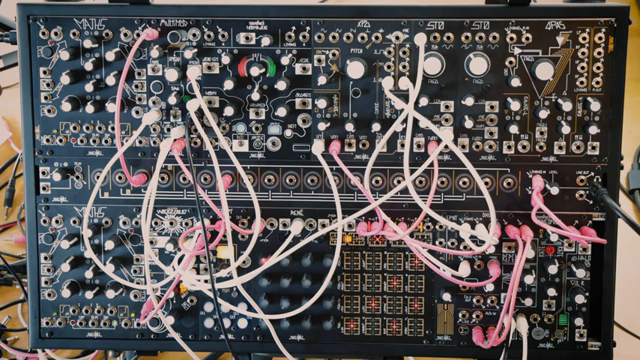
"Different read shapes will give us variation as you've probably realized by now I'm pretty fond of the sign shape."
© Screenshot/Quote: Maken0Isemusic (YouTube)
Patch, Copy, Repeat: The Modular Way
The video closes with a gentle nudge to experiment: there’s no single best way to replicate a sequence in modular. MultiMod is positioned as a tool for exploration, encouraging users to find their own favourite points of intervention and to enjoy the process of copying, mutating, and reimagining signals. As always with MAKEN0ISE, the invitation is to patch boldly and see where the signal flow leads.
This article is also available in German. Read it here: https://synthmagazin.at/maken0ise-multimod-sequenz-replikation-und-signalspielereien-im-modularsystem/
Watch on YouTube:
Latest articles
Watch on YouTube:
Visit the channel:
https://www.youtube.com/MAKEN0ISEMUSIC
https://www.youtube.com/MAKEN0ISEMUSIC
Links from MAKEN0ISEMUSIC:
website: https://www.makenoisemusic.com
instagram: https://www.instagram.com/makenoisemusic
twitter: https://twitter.com/makenoisemusic
facebook: https://www.facebook.com/makenoiseco
Sponsored links:
If you purchase via these links, we may earn a small commission – at no extra cost to you. The link opens an Amazon keyword search, and results may vary depending on availability.
Multimod
🔗 Check price on Amazon
🔗 Check price on Amazon
René
🔗 Check price on Amazon
🔗 Check price on Amazon
Tempi
🔗 Check price on Amazon
🔗 Check price on Amazon
Wogglebug
🔗 Check price on Amazon
🔗 Check price on Amazon