Make Noise returns with a deep patching session, introducing the MultiMod as a pivotal upgrade for the Tape & Microsound Music Machine. In classic Make Noise fashion, the video explores how MultiMod’s signal processing and modulation prowess can transform a familiar system into a more versatile, expressive instrument. Drawing inspiration from Tony Rolando’s evocative compositions, the walkthrough blends technical patching with creative sound design, inviting viewers to rethink how new modules can breathe life into established setups. Expect a haze of morphing voltages, layered textures, and a few nods to the unpredictability of modular workflows.
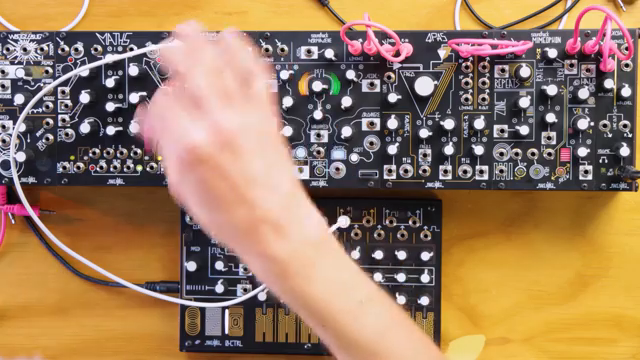
A New Chapter: MultiMod Joins the Ensemble
The video opens by revisiting the Tape & Microsound Music Machine, a Make Noise staple with a notorious 10HP gap that’s long begged for expansion. In the past, the Tempi was the go-to recommendation for timed modulation, but the landscape has shifted. With the arrival of MultiMod and Zero Control, the system’s potential has grown considerably, offering fresh modulation sources and sequencing options.
The presenter frames MultiMod as a crucial addition, not just for filling space but for genuinely enhancing the machine’s versatility. This isn’t just about more LFOs or random voltages; it’s about opening up new dimensions of control and interaction. The narrative is set against the backdrop of Tony Rolando’s recent musical output, hinting that the inspiration for this patching session is as much about creative process as it is about hardware.
"At the time I recommended Tempi as an additional timed modulation source, but you know what, that was over five years ago and at the time we hadn't yet released Zero Control or MultiMod."
© Screenshot/Quote: Maken0Isemusic (YouTube)
MultiMod in Action: Signal Processing Unleashed
"This gives us a signal indicating which of the eight channels is highest at any given time."
© Screenshot/Quote: Maken0Isemusic (YouTube)
Diving into the patch, the MultiMod is immediately put to work processing control voltages from Zero Control’s pressure output. The red ramp shape is selected as a starting point, and outputs from MultiMod are sent to various destinations across the system. The channel index output is used to navigate between eight different splices in a Morphagene reel, with Maths providing attenuation for more nuanced control.
Further patching demonstrates the pink staircase shape, converting input signals into stepped voltages at variable rates. Outputs from MultiMod are routed to parameters like gene size, morph, slide, and radiate on both the Morphagene and QPAS, as well as micro rate and frequency controls on Mimeophon. The end of splice gate is cleverly patched to QPAS’s left gate input, showcasing MultiMod’s flexibility as a modulation hub.
Layered Soundscapes: Creative Workflows with MultiMod
The workflow here is all about layering and evolving textures. By sequencing MultiMod with CV rows from Zero Control, the patch achieves dynamic changes across several axes simultaneously. The use of dynamic envelopes as CV sources means that modulation is often slow and evolving, resulting in overlapping changes that drift in and out of focus, much like the hazy inspiration from the original composition.
Switching gears, the presenter demonstrates how MultiMod’s internal LFO—set to a purple sine shape—can be used for more cyclical modulation. By adjusting modulation depth, the patch can either sweep broadly across splices or linger in a particular region, highlighting the module’s capacity for both subtlety and drama in sound design.
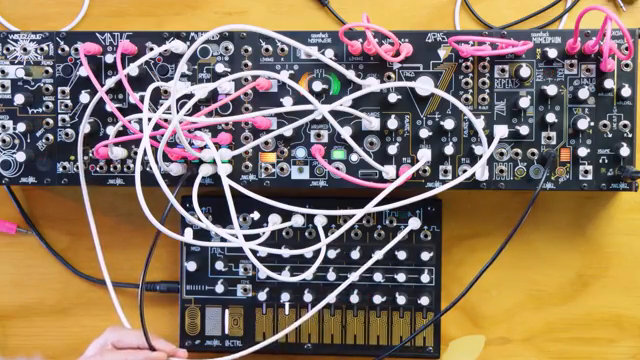
"With different channels changing at different rates, sometimes giving the effect of several changes happening in several different axes at once at different overlapping rates."
© Screenshot/Quote: Maken0Isemusic (YouTube)
Technique, Inspiration, and the Tony Rolando Connection
"A flock of modulation obscures certain things while letting others emerge, maybe even combining it into something new."
© Screenshot/Quote: Maken0Isemusic (YouTube)
The discussion turns reflective, drawing a direct line from Tony Rolando’s music to the patching techniques on display. The original melodies from “Moonlit Through A Veil of Smoke” are described as elusive, often obscured by layers of modulation—an effect the patch seeks to emulate. The presenter notes how modulation can both mask and reveal musical elements, sometimes combining them into something entirely new.
There’s an emphasis on the unique synthesis approach at play: overlapping sequences, by-ear tuning, and the willingness to embrace unpredictability. The video encourages viewers to use tools like Morphagene for reinterpreting existing music, inviting experimentation and personal expression.
In true Make Noise spirit, the segment closes with an open-ended question to the audience, reinforcing the idea that modular synthesis is as much about exploration and reinterpretation as it is about technical mastery.
This article is also available in German. Read it here: https://synthmagazin.at/maken0ise-multimod-der-schleier-hebt-sich-ueber-tape-microsound-alchemie/
Watch on YouTube:
Latest articles
Watch on YouTube:
Visit the channel:
https://www.youtube.com/MAKEN0ISEMUSIC
https://www.youtube.com/MAKEN0ISEMUSIC
Links from MAKEN0ISEMUSIC:
website: https://www.makenoisemusic.com
instagram: https://www.instagram.com/makenoisemusic
twitter: https://twitter.com/makenoisemusic
facebook: https://www.facebook.com/makenoiseco