Make Noise, the Asheville-based purveyors of modular mischief, present a double-header in this video: the Tape & Microsound Music Machine and the New Universal Skiff System. Both systems are compact, skiff-friendly setups, but don’t let their size fool you—there’s a wealth of patching potential packed inside. The video dives into creative routing, parallel processing, and modulation trickery, all with that signature Make Noise flair for the experimental. If you’ve ever wondered what happens when you patch two small systems together and let the signal paths tangle, this is a deep-dive worth your voltage.
5. March 2026
MILES
Make Noise Skiff Systems: Compact Powerhouses in Modular Synthesis
Cupa, Jumbler, Maths, Mimeophon, Mold, Morphagene, Multimod, MultiWAVE, New Universal Skiff System, Polymaths, QXG, Tape & Microsound Music Machine, Wogglebug, XO
Two Skiffs, One Modular Playground
Make Noise kicks off with a playful introduction to their two current Skiff systems: the Tape & Microsound Music Machine and the New Universal Skiff System. Both are designed for modular synthesis in a single-row, portable format, but the video quickly makes clear that these aren’t just starter kits—they’re fully-fledged sound laboratories in their own right.
The presenter highlights a bit of redundancy between the two systems, notably with duplicate modules like the XO and Cupa, but frames this as an opportunity rather than a limitation. By filling spare HP with a Jumbler and creatively routing signals between the two cases, the video sets the stage for a patching session that’s all about exploiting overlap for greater sonic complexity.

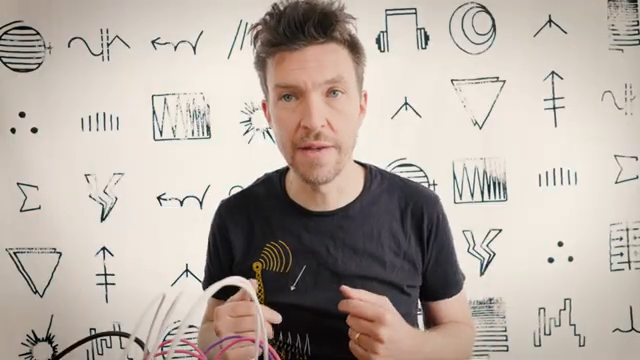
"Make Noise now makes two Skiff systems."
© Screenshot/Quote: Maken0Isemusic (YouTube)
Jumbling Signals: Filters, Morphagene, and Parallel Paths
"Three different parallel signal paths."
© Screenshot/Quote: Maken0Isemusic (YouTube)
The patching demonstration begins in earnest with the Morphagene’s outputs routed into the top Cupa, and then all three classic filter types are sent into the Jumbler. This module acts as a hub, shuffling the filtered signals and distributing them to various destinations across the two Skiffs.
Two outputs from the Jumbler are patched into the second QXG’s aux inputs for a mixdown, while the QXG’s outputs are sent to the bottom XO. Meanwhile, the first QXG’s outputs are routed through another Cupa and then into the Mimeophon for further processing, before landing on the other XO channel. The result is three distinct parallel signal paths, each with its own filtering and processing chain, all originating from the Morphagene.
This intricate web of connections isn’t just for show—it allows for a blend of filtered and unfiltered channels, with the odd and even NUSS channels treated separately. The video’s approach demonstrates how even a compact system can deliver layered, evolving textures when modules are patched with intention.
Modulation Mayhem: Randomness and Rhythmic Complexity
Clocking duties are handled by the Multimod, which is distributed via a Mold module to multiple destinations, including the Multiwave’s activate input and the Mimeophon. The presenter toggles between round and accumulated modes, using the clock to synchronize various modulation sources and effects.
Randomness is injected into the proceedings with the Wogglebug, which is clocked from the same master source. Maths is brought in for more advanced manipulation: channel four receives a clean clock, while channel three is fed stepped random voltages from the Wogglebug, set to negative output. By summing these, the patch introduces a probability element to the clock gates, effectively randomizing when certain events are triggered.
This probabilistic gate stream is used to activate the Polymaths, turning a steady flow of notes into a rhythmically unpredictable sequence. The video also demonstrates pitch sequencing by attenuating random voltages with Maths and sending them to the Multiwave’s volt-per-octave input, showing how modulation and randomness can be harnessed for both rhythmic and melodic complexity.
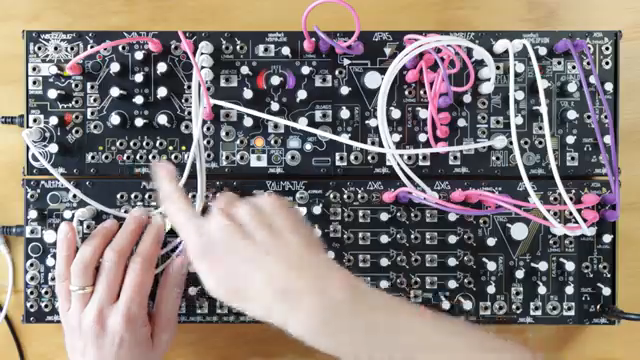
"So in other words, it's kind of like adding a random probability to the clock."
© Screenshot/Quote: Maken0Isemusic (YouTube)
Performance Tools and Patching Workflows
A tutorial segment spotlights performance-oriented workflows, with Pete sharing a dual multichannel patch that leverages the strengths of both Skiff systems. The focus here is on expressive control and the use of modulation sources to animate sound in real time.
By cycling Maths and routing its outputs throughout the system, the patcher demonstrates how different envelope shapes can impart distinct movement to the entire patch. The interconnected systems allow for complex, intertwined modulation schemes, making it possible to sculpt evolving textures and dynamic performances without ever leaving the Skiff format.
Reflections on Dual Skiff Synergy
"Do you ever patch multiple small or medium cases together to make a bigger system?"
© Screenshot/Quote: Maken0Isemusic (YouTube)
The video wraps up with a reflection on the experience of patching two Skiff systems together. While Make Noise has offered multiple Skiff systems before, this is the first time the presenter has used two in tandem, and the verdict is positive. Viewers are encouraged to share their own approaches to combining small or medium cases, highlighting the communal and exploratory spirit at the heart of modular synthesis.
This article is also available in German. Read it here: https://synthmagazin.at/make-noise-skiff-systeme-kompakte-kraftpakete-fuer-modulare-synthese/
Watch on YouTube:
Latest articles
Watch on YouTube:
Visit the channel:
https://www.youtube.com/MAKEN0ISEMUSIC
https://www.youtube.com/MAKEN0ISEMUSIC
Links from MAKEN0ISEMUSIC:
website: https://www.makenoisemusic.com
instagram: https://www.instagram.com/makenoisemusic
twitter: https://twitter.com/makenoisemusic
facebook: https://www.facebook.com/makenoiseco
Sponsored links:
If you purchase via these links, we may earn a small commission – at no extra cost to you. The link opens an Amazon keyword search, and results may vary depending on availability.
Cupa
🔗 Check price on Amazon
🔗 Check price on Amazon
Jumbler
🔗 Check price on Amazon
🔗 Check price on Amazon
Maths
🔗 Check price on Amazon
🔗 Check price on Amazon
Mimeophon
🔗 Check price on Amazon
🔗 Check price on Amazon
Mold
🔗 Check price on Amazon
🔗 Check price on Amazon
Morphagene
🔗 Check price on Amazon
🔗 Check price on Amazon
Multimod
🔗 Check price on Amazon
🔗 Check price on Amazon
MultiWAVE
🔗 Check price on Amazon
🔗 Check price on Amazon
New Universal Skiff System
🔗 Check price on Amazon
🔗 Check price on Amazon
Polymaths
🔗 Check price on Amazon
🔗 Check price on Amazon
Tape & Microsound Music Machine
🔗 Check price on Amazon
🔗 Check price on Amazon
Wogglebug
🔗 Check price on Amazon
🔗 Check price on Amazon