Korg’s SV-2 aims to bridge the gap between expressive performance and modern digital flexibility, all within a retro-inspired chassis. In this official walkthrough, Korg showcases the SV-2’s broad sonic palette, hands-on controls, and thoughtful workflow touches designed for stage and studio musicians alike. From lush acoustic pianos to layered orchestral textures and classic EPs, the SV-2 promises instant access to inspiring sounds, robust effects, and powerful layering—all without sacrificing the tactile immediacy performers crave. Let’s unpack how Korg’s architecture and interface choices translate into real-world creative potential, as demonstrated in this manufacturer video.
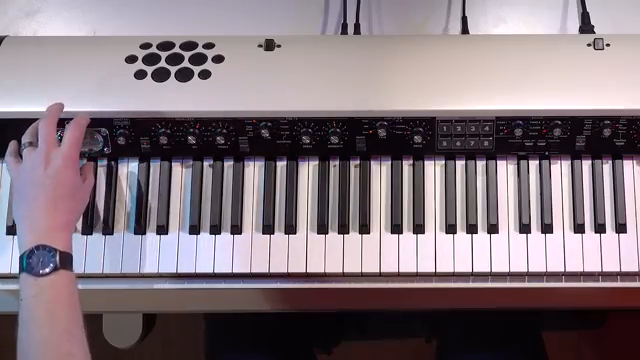
First Impressions: SV-2’s Performer-Focused Design
Korg introduces the SV-2 as a stage piano crafted for musicians who demand both expressive depth and immediate control. The video opens with a clear emphasis on the instrument’s tactile panel, which puts key sound categories and real-time parameters front and center. The SV-2’s Italian-inspired chassis and RH3 keybed are highlighted, promising a blend of visual appeal and authentic playability that’s essential for gigging performers.
The SV-2 comes in multiple configurations—88 or 73 keys, with or without built-in speakers—catering to different stage and studio needs. Korg’s approach here is pragmatic: the interface is designed to minimize menu-diving, letting players focus on the music rather than the manual. This first section sets the tone for a product that’s as much about workflow as it is about sound quality.
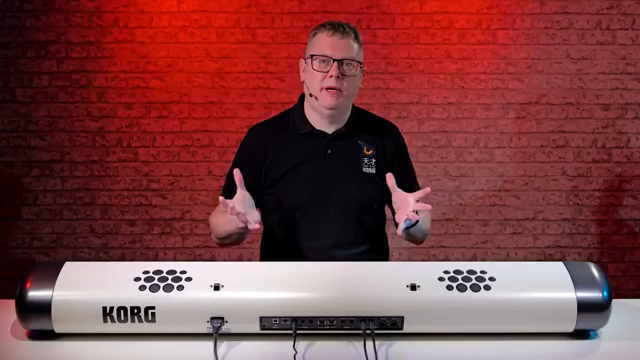
"A wide variety of different sounds, great real time control on the panel, it has a valve built in and all wrapped up in a gorgeous Italian design."
© Screenshot/Quote: Korgofficial (YouTube)
Sonic Palette: Acoustic, Electric, and Valve-Driven Character
"Once you turn that on and start driving the amplifier section the valve really comes into play as you're here."
© Screenshot/Quote: Korgofficial (YouTube)
Diving into the sound engine, the SV-2 offers a comprehensive selection of acoustic pianos, from German and Italian grands to Japanese uprights. The video demonstrates how quickly users can audition and select these voices, with additional variations accessible via a simple button press. This streamlined browsing is a boon for live performers who need to switch sounds on the fly.
Electric piano fans aren’t left out: the SV-2 covers classic Mark 1, Mark 2, Mark 5, Dyno EPs, and Whirlies, each with their own authentic character. The inclusion of a real valve in the signal path is a standout feature, adding analog warmth and drive when paired with the amp models. The walkthrough shows how tweaking the drive control brings out gritty, responsive textures—especially effective on vintage EPs and organs.
Effects and Layering: Sculpting Rich, Performance-Ready Sounds
Korg’s effects architecture on the SV-2 is modeled after a classic guitar rig, with dedicated sections for pre-effects, modulation, amp modeling, and ambience. The video walks through adding tremolo, chorus, phaser, and flanger to electric pianos, as well as dialing in reverb and rotary effects for organs. Each section is independently switchable, and parameters are adjusted via dedicated knobs—no menu-diving required.
Layering is a core strength: the SV-2 allows up to three parts per sound, which can be stacked for cinematic textures or split across the keyboard for multi-zone performance. The demonstration includes lush string layers, orchestral stacks, and hybrid piano/pad blends, all accessible with minimal fuss. The ability to save and recall up to 64 favorite setups (eight banks of eight) further supports complex, gig-ready workflows.
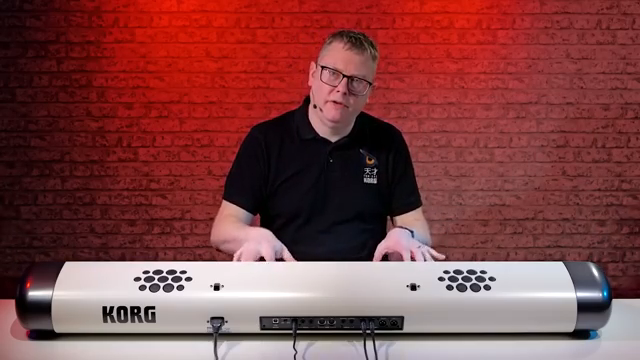
"You can get some really nice rich layers going but even if you want to do something quite basic just like piano and strings together you can do that really easily."
© Screenshot/Quote: Korgofficial (YouTube)
Flexible Architecture: Splits, Zones, and Software Integration
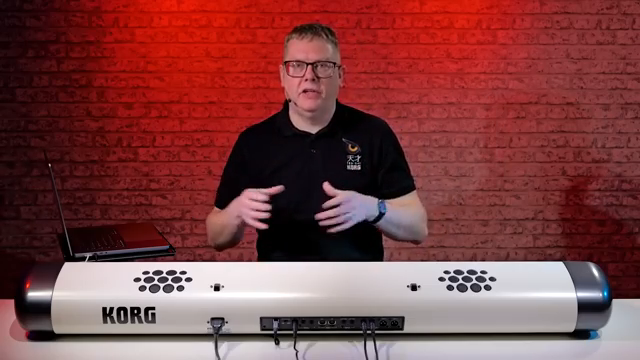
"This great editor librarian software for the SV2 that you can download for free from our website."
© Screenshot/Quote: Korgofficial (YouTube)
The SV-2’s split and layer functionality is designed for real-world versatility. Players can assign different sounds to various keyboard zones, enabling setups like acoustic bass in the left hand and piano or strings in the right. The video demonstrates how quickly these configurations can be created and adjusted, making the SV-2 adaptable for everything from solo gigs to ensemble work.
A notable workflow enhancement is the free editor librarian software, which provides two-way control between the SV-2 and a connected computer. Users can organize, edit, and back up sounds, as well as access factory and user patches by name—a significant convenience given the hardware’s limited display. The software also enables loading additional sound libraries, extending the instrument’s sonic reach without complicating the on-panel experience.
Connectivity and Control: MIDI, Pedals, and Stage Integration
Korg rounds out the SV-2’s feature set with a robust selection of connectivity options. The back panel includes balanced XLR and jack outputs, a headphone jack, and an audio input for routing external sources through the SV-2’s speakers and effects. MIDI support allows integration with external controllers or DAWs, while USB connectivity enables seamless use with the editor librarian software.
Three pedal inputs (damper plus two assignable) provide hands-on control for expression, wah, or other real-time effects—essential for nuanced stage performance. The inclusion of a music rest and speaker on/off switch (for the SV-2S models) further demonstrates Korg’s attention to the practical needs of working musicians. The overall package is engineered for flexibility, whether in a DAWless rig, traditional stage setup, or hybrid studio environment.
This article is also available in German. Read it here: https://synthmagazin.at/korg-sv-2-ein-architektur-check-des-modernen-stagepianos/
Watch on YouTube:
Latest articles
Watch on YouTube:
Visit the channel:
https://www.youtube.com/KorgOfficial
https://www.youtube.com/KorgOfficial
Links from KorgOfficial:
website: https://www.korg.com
facebook: https://www.facebook.com/KORGusa
twitter: https://twitter.com/KorgUSA
instagram: https://instagram.com/korgofficial
soundcloud: https://soundcloud.com/korg
Sponsored links:
If you purchase via these links, we may earn a small commission – at no extra cost to you. The link opens an Amazon keyword search, and results may vary depending on availability.
Korg SV-2
🔗 Check price on Amazon
🔗 Check price on Amazon