Korg’s NTS-3 Kaoss Pad is a compact, DIY digital multi-effects unit that puts deep customization and real-time control at your fingertips. In this official Korg walkthrough, the NTS-3 is presented as a playground for both sound designers and performers, blending the iconic Kaoss XY touchpad interface with a modular effects architecture and open-source possibilities. With 100 factory presets, 100 user slots, and 35 effect types, it’s designed for musicians who crave portability without sacrificing creative depth. This video highlights how the NTS-3’s flexible routing, hands-on editing, and open logueSDK platform make it a serious contender for anyone seeking innovative, portable sound manipulation.
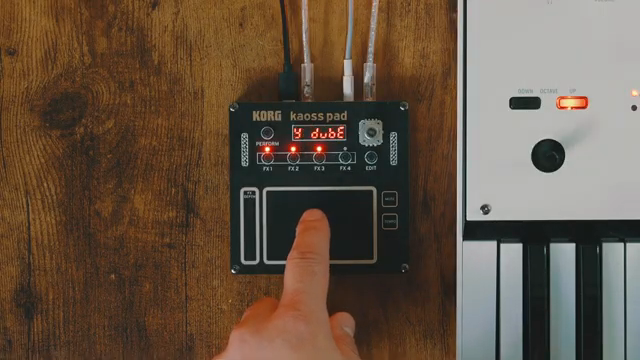
A DIY Digital Effects Playground
Korg introduces the NTS-3 Kaoss Pad as a digital multi-effects processor that arrives as a fun, easy-to-assemble kit. The emphasis here is on accessibility: powering up is as simple as connecting the included USB-C cable to a computer or compatible source, and audio input is handled via a 3.5mm stereo TRS jack. The device is clearly aimed at musicians who want to integrate effects into a range of setups, from synths and drum machines to other instruments.
What stands out is the NTS-3’s modular approach to effects. Each preset comprises four effect slots, and users can choose from 35 different effects per slot. This structure, combined with the compact form factor, positions the NTS-3 as a portable solution for those who want to experiment with sound manipulation on the go. Korg’s presentation style is, as usual, practical and musician-focused, highlighting how quickly you can get started and begin exploring creative routing possibilities.
Touchpad Control: Real-Time Expression
The heart of the NTS-3 is its classic Kaoss XY touchpad, which provides immediate, tactile control over effect parameters. Both X and Y axes can be assigned to different parameters, allowing for expressive, two-dimensional modulation. This is not just a surface-level gimmick: the video demonstrates how the touchpad can be tailored to suit different effects and performance styles.
Depth control is another key feature, typically acting as a dry/wet mix but also assignable to other effect parameters. The workflow is designed for live tweaking, with options to hold or freeze effects mid-performance. These real-time controls make the NTS-3 especially appealing for musicians who value hands-on interaction and spontaneous sound shaping during sets.
"The touchpad's X and Y axes control many different effect parameters and can be reassigned to your liking."
© Screenshot/Quote: Korgofficial (YouTube)
Presets, Effects, and Versatility
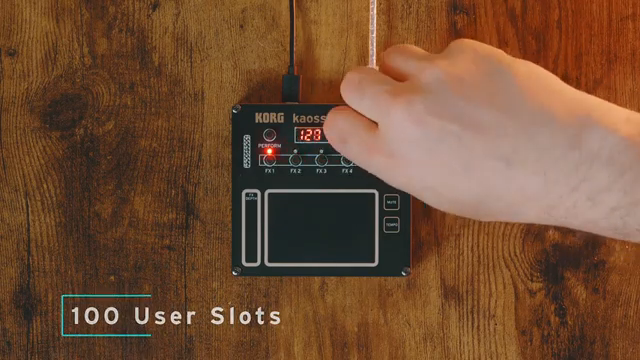
"Each preset program consists of 4 effect slots, and each slot has a choice of 35 different effects, including lush reverbs, stereo delays, filters, chorus, phaser, loopers, risers, and synthesizer effects like sirens or drones."
© Screenshot/Quote: Korgofficial (YouTube)
The NTS-3 comes loaded with 100 factory presets and offers another 100 user slots for custom creations. Each preset is constructed from four effect slots, and with 35 effect types—including reverbs, delays, filters, chorus, phaser, loopers, risers, and even synth-like drones—the range is broad enough to cover both subtle enhancements and radical transformations.
Editing is straightforward: users can build and tweak presets directly on the device or via the Korg Kontrol Editor on a computer. The video walks through creating a custom preset, assigning effects to slots, editing parameters, and saving the result. This flexibility ensures the NTS-3 can adapt to a variety of musical contexts, from guitar processing to electronic performance rigs.
Open-Source Power: logueSDK and Community Effects
A major architectural highlight is the NTS-3’s support for Korg’s logueSDK open platform. This allows users and developers to create entirely new effects modules, which can be shared and downloaded from the community. The video briefly notes this capability, emphasizing the potential for an ever-expanding library of effects beyond the factory set.
For those with coding chops or a taste for experimentation, this open-source angle means the NTS-3 is not just a fixed tool but a platform for ongoing sonic exploration. The ability to import community-created effects or roll your own ensures the device won’t become stale, and it’s a nod to the growing trend of user-driven instrument ecosystems.
"The NTS 3 is built on the all-new Korg Log SDK open platform, allowing developers to create their own effects modules and share them with you."
© Screenshot/Quote: Korgofficial (YouTube)
Portability and Assembly: Designed for the Mobile Musician
Korg’s NTS-3 is unapologetically compact, making it a strong candidate for mobile setups and cramped pedalboards. The DIY assembly is positioned as part of the fun, with the video assuring viewers that building the unit is straightforward and rewarding. This approach lowers the barrier to entry for musicians who might be new to hardware or looking for a low-commitment way to expand their effects arsenal.
Despite its size, the NTS-3 doesn’t skimp on functionality. The inclusion of sync options (both MIDI and analog), global parameter editing, and flexible routing means it can slot into a variety of rigs. Whether you’re a guitarist, beatmaker, or synth enthusiast, the NTS-3 aims to deliver high-quality, customizable effects in a package that’s as portable as it is powerful.
This article is also available in German. Read it here: https://synthmagazin.at/korg-nts-3-kaoss-pad-digitales-diy-effektgeraet-neu-gedacht/
Watch on YouTube:
Latest articles
Watch on YouTube:
Visit the channel:
https://www.youtube.com/KorgOfficial
https://www.youtube.com/KorgOfficial
Links from KorgOfficial:
website: https://www.korg.com
facebook: https://www.facebook.com/KORGusa
twitter: https://twitter.com/KorgUSA
instagram: https://instagram.com/korgofficial
soundcloud: https://soundcloud.com/korg
Sponsored links:
If you purchase via these links, we may earn a small commission – at no extra cost to you. The link opens an Amazon keyword search, and results may vary depending on availability.
Korg NTS-3 Kaoss Pad
🔗 Check price on Amazon
🔗 Check price on Amazon