Beetle Crab’s Tempera isn’t your average cloud machine—it’s a full-on rave bunker in a box, and Jorb brings all the chaos you want. Forget the ‘ambient only’ stereotype: this beast spits out orchestral pads, glitchy rhythms, and live-processed weirdness, all with a grid that lights up like a synth Christmas. If you love gear that can morph from controller to groovebox to FX monster, you’ll want to see how Tempera bends the rules. Jorb’s take is as sharp as ever: honest, hands-on, and never dull. Strap in.
30. July 2026
SPARKY
Jorb Goes Deep: Tempera Is a Granular Street Weapon
Beetle Crab Tempera, Roland SH-101, TR 1000, Yamaha Reface CP
Clouds, Rhythms, and Sonic Mayhem
If you thought granular synths were just for wafty ambient textures, Tempera is here to slap you awake. Jorb wastes no time showing off the machine’s ability to conjure everything from lush, orchestral pads to staccato, syncopated grooves. The thing excels at the classic grainy clouds, but that’s just the start—within a minute, it’s bending samples and generating rhythms sharp enough to cut through any mix.
Tempera doesn’t just sit in one lane. Whether you want it as an orchestral controller, a rhythm generator, or a live audio mangler, this box handles it all. The demo jumps between sweeping brass, glitchy beats, and real-time sample processing like it’s nothing. In short: this isn’t a one-trick pony. It’s a Swiss Army rave weapon.
Grid Magic: Visuals That Matter
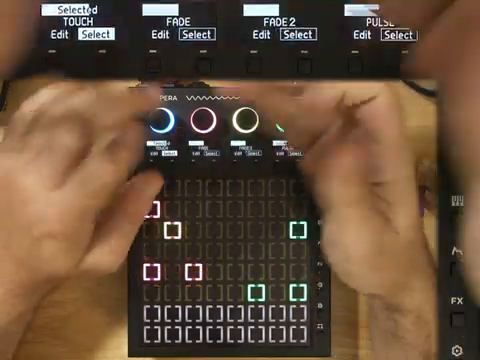
The interface is where Tempera really flexes. Jorb calls it the best granular UI he’s ever touched, and for good reason: the grid and screens give you instant, meaningful feedback. You’re not guessing where your grains are firing or what your modulations are doing—the visuals tell the whole story. Forget menu diving: you see your sounds move in real-time, and that means less faff and more music.
What’s genius is how the grid isn’t just eye candy; it’s functional. You tweak, drag, and trigger emitters with your fingers, seeing exactly how your gestures morph the sound. And when things get wild—multiple samples, four emitters, crazy modulations—the interface never leaves you lost. This level of directness makes granular fun instead of frustrating. Watch the video to see how the grid lights up like a synth battle station.
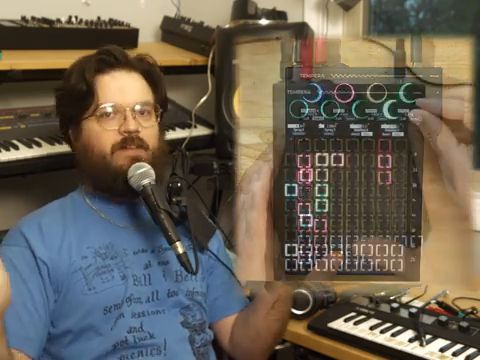
"It is the best granular interface I've ever used full stop."
© Screenshot/Quote: Jorblovesgear (YouTube)
One Box, Many Faces
"It's flexible in a hundred ways you did flexible in the way you interact with it it's flexible in the way you set it up."
© Screenshot/Quote: Jorblovesgear (YouTube)
Tempera doesn’t care about your genre rules. Jorb proves you can use it as an orchestral controller for epic pads, a rhythm generator for punchy beats, or a live audio processor that chews up external inputs in real time. The flexibility borders on ridiculous—you can trigger samples, control everything via MIDI, and even split up the grid for multi-timbral setups. If you want to go full groovebox, it’ll do the job. If you want it as a mega-sampler or FX box, no problem.
What stands out is how easily Tempera jumps between roles. Jorb’s performance jumps from layered strings to chopped-up drum patterns to live-mangled guitar snippets—all without breaking stride. The ability to process live sound just as easily as preloaded samples is a game-changer, and the multi-lane architecture means you’re never boxed in. It’s as close to a modular performance rig as you’ll get in one device.
Emitters, Modulations, and Live Audio Madness
Underneath the slick visuals, Tempera’s real power comes from its emitters and deep modulation. You get four emitters—think of them as tape heads for grains—each loaded with their own settings for density, length, spray, and more. Jorb dives into extensive modulation options, from LFOs to envelopes to audio-reactive trickery. You can modulate almost anything, including grain positions, filter cutoff, and even how live audio gets granulated. Polyphonic aftertouch on the grid keyboard? It’s in there, and it’s actually useful.
Live grains are where things get wild. Plug in an external synth or drum machine, and Tempera eats it for breakfast, spitting out new layers on the fly. You can assign modulation sources to any destination, making it a playground for chaos-lovers and control freaks alike. There’s too much detail to cover in text—you’ll want to watch Jorb’s jam to see just how deep the rabbit hole goes.
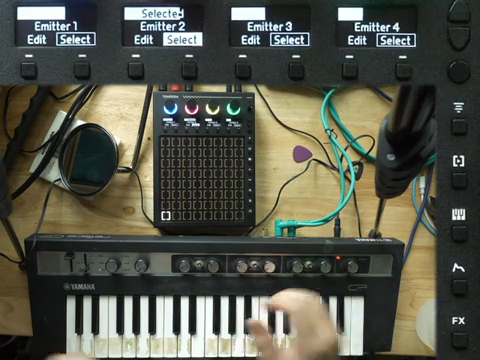
"Anything you've seen me do already can be on recorded sound or live sound isn't that crazy."
© Screenshot/Quote: Jorblovesgear (YouTube)
Workflow Revolution: Why You’ll Want One
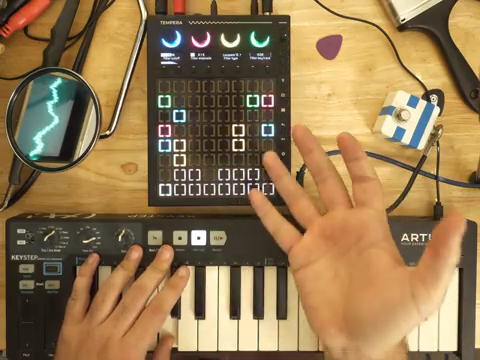
"They'll see how flexible this could be they'll see the possibilities of what this could be for them."
© Screenshot/Quote: Jorblovesgear (YouTube)
Jorb’s review isn’t just a hype session; it’s a blueprint for breaking out of stale workflows. Tempera forces you to rethink how you approach granular synthesis, thanks to its mix of hands-on control and multi-timbral flexibility. You don’t have to pick between sound design and performance—it does both, and does them well. The ability to assign MIDI channels, tweak emitters independently, and build complex, evolving patches makes it a serious tool for anyone bored with the usual suspects.
There’s more lurking under the surface than can fit in a single video or article. Jorb leaves a few stones unturned, hinting at even deeper features for those willing to dive in. Bottom line: if you want your rig to do more than just play back samples, Tempera is worth the look. The video’s proof that this thing isn’t just the future—it might be the present, if you’re bold enough.
This article is also available in German. Read it here: https://synthmagazin.at/jorb-taucht-ab-tempera-ist-eine-granulare-strassenwaffe/
More articles about these products:
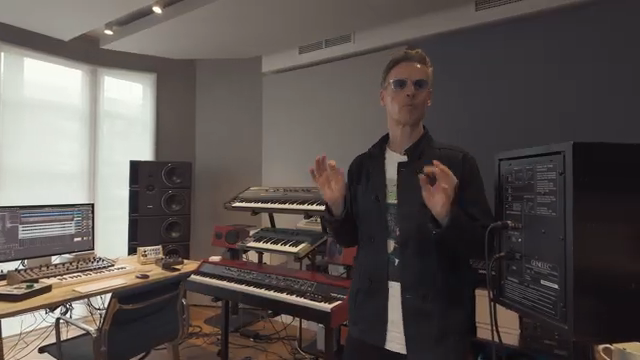 Voltage Labs Drops In: Joris Voorn’s Studio Is a Hybrid Rave Bunker
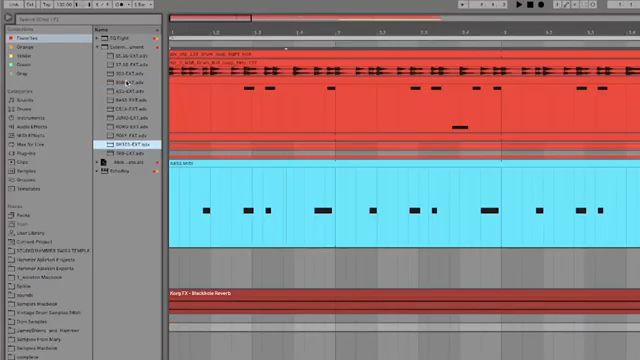 MusicRadar Tech & Hammer: Building House Beats from Hardware Heaven
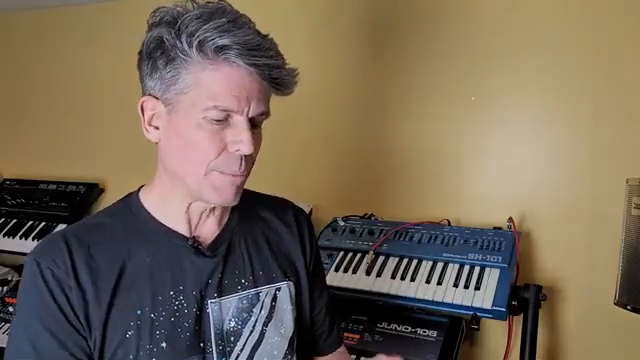 Scott’s Synth Stuff Throws Down: The New Bee SK17 – Budget FX Pedal or Secret Synth Weapon?
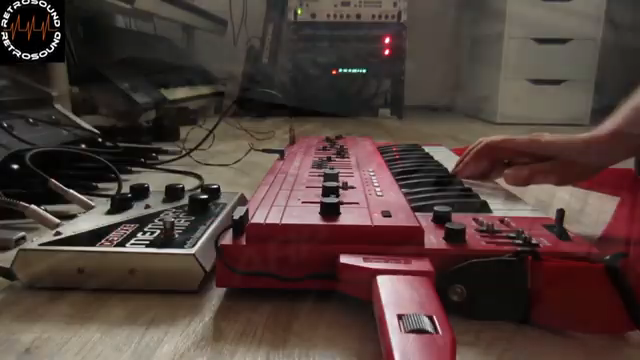 RetroSound’s Analog Monos: A Rave Bunker Tour of Synth Legends
 AudioPilz Dishes the Dirt: What Your Synth REALLY Says About You
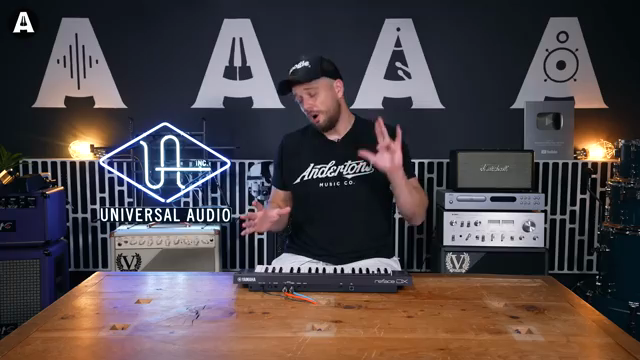 Yamaha Reface: The AndertonsKeyboardDept Breakdown
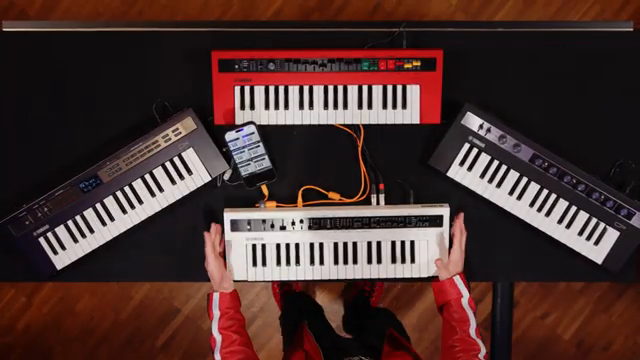 Yamaha Synths Official marks 10 years of reface: Compact Power, No Compromises
Watch on YouTube:
Latest articles
Watch on YouTube:
Visit the channel:
https://www.youtube.com/JorbLovesGear
https://www.youtube.com/JorbLovesGear
Links from JorbLovesGear:
Instagram: https://instagram.com/jorblovesgear
Sponsored links:
If you purchase via these links, we may earn a small commission – at no extra cost to you. The link opens an Amazon keyword search, and results may vary depending on availability.
Beetle Crab Tempera
🔗 Check price on Amazon
🔗 Check price on Amazon
Roland SH-101
🔗 Check price on Amazon
🔗 Check price on Amazon
TR 1000
🔗 Check price on Amazon
🔗 Check price on Amazon
Yamaha Reface CP
🔗 Check price on Amazon
🔗 Check price on Amazon