Joranalogue Audio Design, known for their precision Eurorack modules, present a deep-dive into the STEP 8 sequencer’s ability to drive multiple voices from a single melodic source. In this walkthrough, Simon demonstrates how STEP 8 isn’t just a sequencer but a versatile hub for melodic invention, randomization, and creative CV mixing. The video explores how to extract, transpose, and route CV to create evolving melodies and basslines, all from one sequence. If you’re looking to squeeze more musicality from fewer modules, this patching technique might just inspire your next modular session.
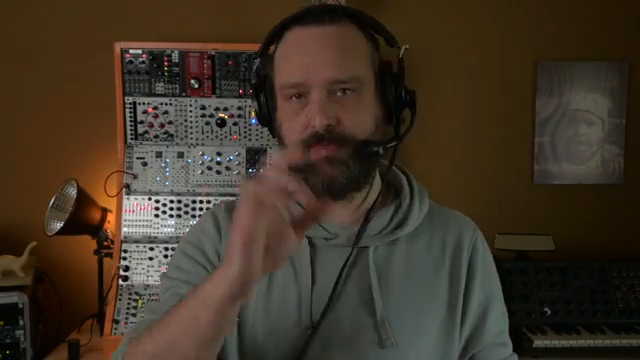
STEP 8: The Sequencer as a Modular Brain
The video opens with Simon introducing a technique he frequently uses in melodic modular work: extracting or driving several voices from a single sequence. The heart of this approach is the STEP 8 module, which serves as both sequencer and CV source, making it possible to generate complex musical structures without a rack full of sequencers.
Simon sets up STEP 8 to drive the main melody, describing how it can handle arpeggiated or more straightforward lines. The module’s flexibility is highlighted by its dual nature as both a sample-and-hold and track-and-hold device, depending on configuration. This allows for the injection of random or chaotic voltages—courtesy of Orbit 3—into the sequence, ensuring the resulting melody is never static. The technique is particularly effective for those aiming to create evolving, non-repetitive patterns while maintaining control over the musical direction.
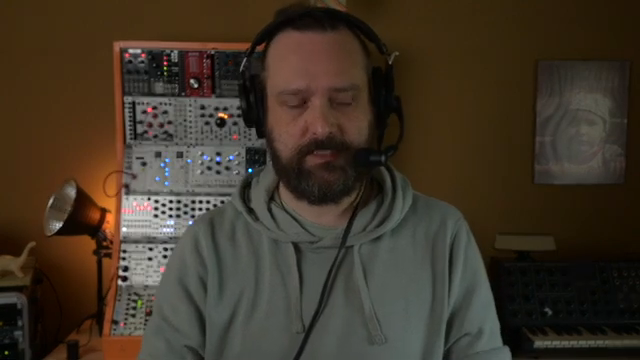
"Very often when I do kind of melodic work, and that is to extract or drive several voices from one sequence."
© Screenshot/Quote: Joranalogue (YouTube)
Randomization and CV Extraction: Adding Depth to Melodies
"The key to this is to mix your melody and your offset, your transposition CV."
© Screenshot/Quote: Joranalogue (YouTube)
A core feature of STEP 8, as demonstrated, is its ability to introduce randomization and extract CV signals for further manipulation. Simon discusses sending chaotic voltages into STEP 8, which can be sampled and held or tracked and held, depending on the patching. This randomness is then tamed using an external quantizer to keep the output within a musical scale, ensuring that even wild voltages yield pleasing melodic results.
The video also highlights the importance of mixing CVs—specifically, blending the main melody with a transposition CV. Using a utility mixer like ADD 2, Simon shows how to combine these signals before routing them through a quantizer. This not only keeps the voltages in check but also allows for more nuanced control over melodic and harmonic movement, especially when driving multiple voices from the same sequencer output.
Transposition Tricks: One Sequencer, Multiple Voices
Simon’s patching approach leverages the transposition CV from STEP 8 to influence both melodies and basslines. By extracting a voltage from one stage of STEP 8 and using it to transpose the main melodic sequence, he demonstrates how a single sequencer can effectively control several voices. This method is particularly powerful when paired with an external quantizer, which helps maintain musical coherence even as the underlying voltages shift unpredictably.
The demonstration continues with Simon routing the transposition CV to a second voice, in this case a bass driven by Generate 3. He details the tuning process, disconnecting the melodic sequence to tune the bass, then reconnecting for a harmonically relevant result. The outcome is a patch where melody and bassline move together in interesting, sometimes unexpected ways—all from a single sequencer. This technique underscores the potential of STEP 8 as a central hub in a modular setup, capable of generating complex, interrelated musical lines without the need for multiple sequencers.
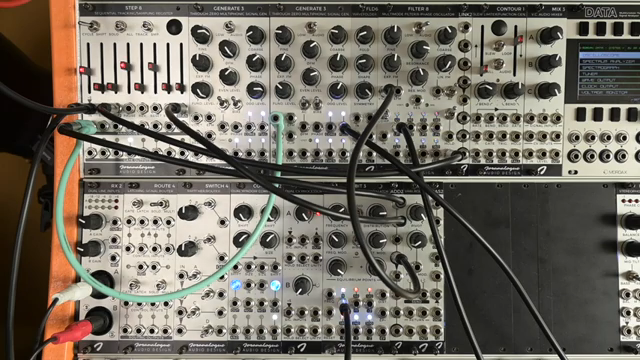
"You really just need one sequencer for this."
© Screenshot/Quote: Joranalogue (YouTube)
Generative Workflows and Coherent Chaos
Moving beyond basic sequencing, the video explores generative workflows using STEP 8, external quantizers, and clever CV routing. Simon discusses how to build patches where only certain stages are randomized, allowing for a blend of repetition and variation. He also demonstrates using utilities like attenuverters to invert or scale the transposition CV, creating counterpoint between melody and bass—when the melody rises, the bass falls, and vice versa.
Further complexity is added by introducing rhythm quantization via Compare 2, enabling chaotic but beat-synced triggers. Simon shows how these techniques can be used to modulate dynamics, timbre, and rhythm, all while maintaining a coherent musical output. The patch evolves into a rich, generative system where a single sequencer, aided by a handful of utilities, produces a dynamic interplay of voices and textures. This section highlights the depth and versatility of the workflow, making a strong case for STEP 8 as more than just a step sequencer.
Inspiration and Modular Experimentation
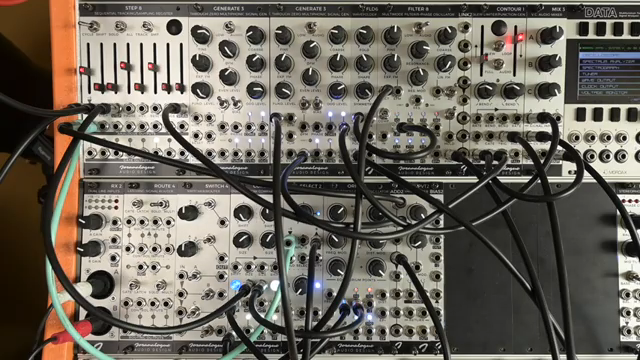
"This is a way to create a lot of melodic movement without using several sequencers."
© Screenshot/Quote: Joranalogue (YouTube)
Simon closes the walkthrough by encouraging viewers to experiment with similar techniques in their own setups. The emphasis is on inspiration and exploration—using a single sequencer as the backbone for multiple voices and generative patches. The video serves as a reminder that with thoughtful patching and a few clever utilities, even a modest modular system can yield complex, evolving musical results. Joranalogue’s presentation style, as always, is concise yet rich in practical ideas for the patch-minded modular user.
This article is also available in German. Read it here: https://synthmagazin.at/joranalogue-audio-design-step-8-ein-sequencer-viele-stimmen-patch-walkthrough/
Watch on YouTube:
Latest articles
Watch on YouTube:
Visit the channel:
https://www.youtube.com/joranalogue
https://www.youtube.com/joranalogue
Links from joranalogue:
website: https://joranalogue.com
facebook: https://facebook.com/joranalogue
twitter: https://twitter.com/joranalogue
soundcloud: https://soundcloud.com/joranalogue
modulargrid: https://www.modulargrid.net/e/vendors/view/578
instagram: https://instagram.com/joranalogue
Sponsored links:
If you purchase via these links, we may earn a small commission – at no extra cost to you. The link opens an Amazon keyword search, and results may vary depending on availability.
ADD 2
🔗 Check price on Amazon
🔗 Check price on Amazon
COMPARE 2
🔗 Check price on Amazon
🔗 Check price on Amazon
Contour 1
🔗 Check price on Amazon
🔗 Check price on Amazon
Filter 8
🔗 Check price on Amazon
🔗 Check price on Amazon
Generate 3
🔗 Check price on Amazon
🔗 Check price on Amazon
Orbit 3
🔗 Check price on Amazon
🔗 Check price on Amazon
STEP 8
🔗 Check price on Amazon
🔗 Check price on Amazon