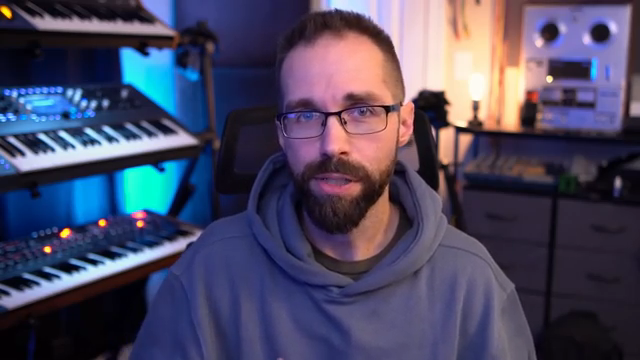
Ever feel like your DAW beats are missing that secret sauce? Jameson Nathan Jones, the synth wizard who probably eats pancakes at midnight, is here to spill the beans. In his latest video, he breaks down why programmed music often falls flat compared to live jams—and how you can flip the script with a few clever moves. If you’re tired of your tracks sounding like a robot with a caffeine addiction, this one’s for you. Expect real talk, streetwise hacks, and a vibe that’s more late-night diner than stuffy conservatory.
19. December 2025
RILEY
Jameson Nathan Jones Drops the DAW Truth: Why Your Tracks Need Some Human Mess
Live vs. Programmed: The Human Factor
Jameson Nathan Jones kicks things off by calling out the elephant in the studio: performed music just hits different than programmed tracks. Most folks blame it on those little timing slips and quirks that come from real hands on real instruments. But Jameson’s not buying the hype—he says the real magic is all about human limitations. When you’re playing live, you can’t do everything at once, so you’re forced to make choices. That’s what gives live music its flavor, and it’s something most DAW users forget when they’re stacking tracks like a hoarder on payday.
He lays it out: in the DAW, you’ve got endless options, but that freedom can actually kill your groove. With no physical limits, it’s easy to pile on sounds until your mix is more cluttered than a pawn shop window. Jameson’s style is all about stripping things back and making intentional moves—something he says can make even the most robotic electronic track feel alive. If you want your programmed beats to slap, you gotta think like a performer, not a mad scientist.
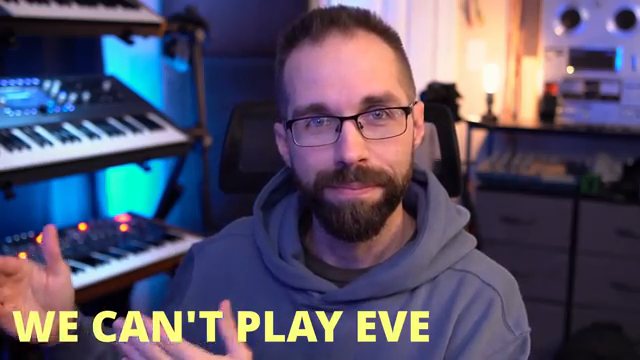
"We are forced into limitations. We are forced to problem solve creatively, just by the nature of being humans with physical restraints."
© Screenshot/Quote: Jamesonnathanjones (YouTube)
Constraints: Your Secret Weapon
Jameson drops a gem about creativity: too much freedom in the DAW is a trap. He shares a story from his days as a composition student, where he had to write piano pieces using only three notes at a time. Sounds brutal, right? But that forced him to get creative, finding slick solutions instead of hiding behind giant chords. Turns out, less really is more—especially when you’re trying to make your music stand out.
He still uses that three-note rule in his own electronic tracks, proving that intentional constraints can be a game changer. Instead of getting lost in a sea of options, you focus on what matters and let your ideas breathe. If your beats are feeling stale, maybe it’s time to play by some house rules. Trust me, your mix will thank you.
Keep It Tight: The Power of Fewer Elements
"It's really hard to have an interesting conversation where everyone is always speaking at the same time."
© Screenshot/Quote: Jamesonnathanjones (YouTube)
Jameson gets real about early DAW struggles—when he first started, his tracks were a hot mess because he could suddenly do everything at once. The lesson? Just because you can add more, doesn’t mean you should. He breaks down the mix like a pie: the more slices you cut, the smaller each one gets. If you want your track to hit hard, focus on three to five main elements and let each one shine. Pads, arps, bass, drums—they’re like a band, not a mosh pit.
He warns that too many layers just muddy the waters, especially with synths hogging all the stereo space. The trick is to assign each sound its own role and frequency range, so nothing’s stepping on anyone’s toes. Think of your mix like a street food platter—too many flavors, and you can’t taste anything. Keep it simple, keep it tasty.
Automation: Breathing Life Into the Machine
Now for the secret sauce: automation. Jameson says you don’t need mad keyboard chops to make your tracks feel human—you just need to understand how real players shape their phrases. Instead of going wild with randomization, he suggests listening to how musicians push and pull their dynamics, then using automation to mimic that vibe. Assign a few MIDI controls to key parameters like filter cutoff or panning, and ride those faders like you’re DJing at a block party.
He’s all about making your synths move and breathe, not just sit there like a broken subwoofer. Even if you’re programming everything, a little hands-on automation can turn a lifeless loop into a conversation. That’s where the magic happens—where programming and performance finally shake hands. If you want to see this in action, you gotta watch the video. Trust me, words can’t do those fader moves justice.
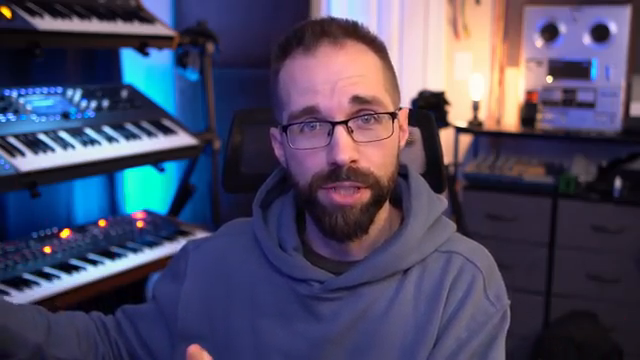
"You can start to apply it to your own program music using the greatest feature of modern music technology, automation."
© Screenshot/Quote: Jamesonnathanjones (YouTube)
Finding Your Groove: The Takeaway
Jameson wraps it up by reminding us that the sweet spot is somewhere between programming and performance. His video is a goldmine for anyone trying to make their DAW tracks feel less like a spreadsheet and more like a jam session. If you’re chasing that elusive groove, this one’s worth a watch—and maybe a couple rewinds.
This article is also available in German. Read it here: https://synthmagazin.at/jameson-nathan-jones-packt-aus-warum-deine-daw-tracks-mehr-mensch-brauchen/
Watch on YouTube:
Latest articles
Watch on YouTube:
Visit the channel:
https://www.youtube.com/JamesonNathanJones
https://www.youtube.com/JamesonNathanJones
Links from JamesonNathanJones:
Website: https://jamesonnathanjones.com
Music Channel: https://youtube.com/@JamesonNathanJonesMusic
Bandcamp: https://jamesonnathanjones.bandcamp.com
Instagram: https://instagram.com/jamesonnathanjones
Sponsored links:
If you purchase via these links, we may earn a small commission – at no extra cost to you. The link opens an Amazon keyword search, and results may vary depending on availability.
Cubase
🔗 Check price on Amazon
🔗 Check price on Amazon