Ever wanted to turn your crusty old tape machine into a looper that’s as unpredictable as a possum at a picnic? HAINBACH, the maestro of experimental sound, is here to show us a tape hack so simple, you’ll wonder why you haven’t been doing it since your first garage jam. With nothing but your finger and a bit of cheek, this technique transforms any tape echo or recorder into a playground of rhythmic madness and sonic artefacts. It’s messy, hands-on, and gloriously imperfect—just the way we like it. Dive in for a wild ride through tape quirks, creative chaos, and a few warnings that’ll save your digits and your gear.
22. January 2026
TAS
HAINBACH’s Tape Looper Trick: Hands-On Chaos for the Brave and the Bizarre
EchoFix, H&H Electronics Echo Unit, Nagra, Roland Space Echo, Sony TC-377
Finger in the Tape: The Looper Nobody Told You About
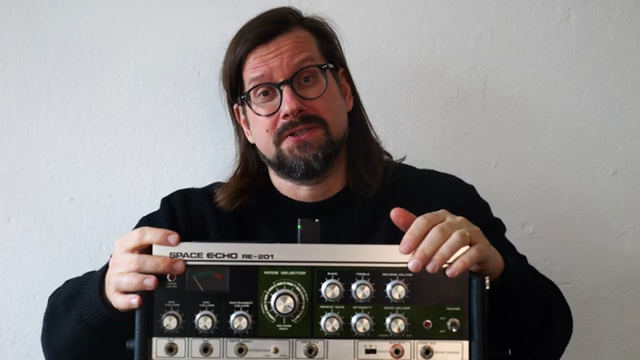
HAINBACH kicks things off by sticking his finger where most folks wouldn’t dare—right into the guts of a tape echo. This isn’t just for show, mate. With a move that’s as obvious as a sausage sizzle at Bunnings, he reveals a technique that turns any reel-to-reel or tape echo, even the legendary Roland Space Echo, into a looper. The trick? Just nudge the tape away from the erase head with your finger, and suddenly you’re looping like it’s nobody’s business.
It’s a hands-on hack that’s as playful as it is practical. You can punch in silences by letting the tape touch the erase head, then fill those gaps with fresh sounds. The beauty is in the simplicity—no soldering, no fancy mods, just you and the tape, getting up close and personal. HAINBACH’s style is all about demystifying the weird and wonderful, and this technique is a perfect example of his knack for making experimental music feel like a backyard BBQ: accessible, a bit messy, and heaps of fun.
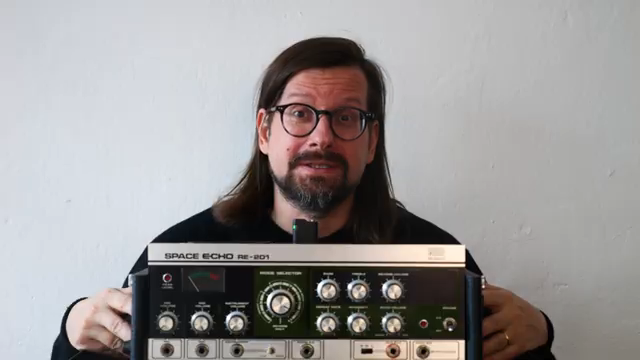
"It turns any reel-to-reel or tape echo, even the venerable Roland Space Echo, into a looper."
© Screenshot/Quote: Hainbach (YouTube)
Imperfections: Where the Magic Happens

"The gradual fading is wonderful and allows you to use the machine as an EQ."
© Screenshot/Quote: Hainbach (YouTube)
This method isn’t about pristine loops or clinical precision. Nah, it’s all about embracing the quirks of tape—the dropouts, the fading highs and lows, and the rhythms that emerge from happy accidents. HAINBACH shows how each machine, from the Nagra to the Space Echo and even the finicky Sony TC-377, brings its own flavour to the party. Sometimes you’ll get inspiring rhythms just by letting the tape slip or punch in silences, and other times you’ll be fighting the machine like a surfer in a rip.
The imperfections are the real stars here. As the tape wears and the heads get grubby, your loops start to filter themselves, with mids hanging on while the rest fades away. It’s like having a built-in EQ that’s powered by chaos. If you want to hear these artefacts in all their gritty glory, you’ll need to check out the video—words can’t do justice to the crunchy, warbly textures that only tape can deliver.
Get Your Hands Dirty: Tape as an Instrument
HAINBACH doesn’t just talk about tape—he plays it like an instrument. By physically moving the tape, you’re not just recording; you’re sculpting sound in real time. This hands-on approach invites experimentation, letting you discover new rhythms and textures with every pass. It’s a bit like cooking on a campfire: unpredictable, sometimes smoky, but always rewarding if you lean into the chaos. If you’re the type who likes to tinker and get your hands dirty, this technique is your ticket to a world of sonic surprises.
Pros, Cons, and a Few Warnings (Don’t Fry Yourself!)
Let’s not sugarcoat it—this technique has its ups and downs. On the plus side, anyone can give it a crack. No need for a soldering iron or a PhD in tape mechanics. You can literally play the tape with your fingers and get a feel for it as an instrument. But there are catches: you’ll need one hand on the tape most of the time, unless you’re handy with a 3D printer or some DIY magic to make a cover for the erase head. Just don’t scratch the head or stress the tape, or you’ll be in for a world of hurt.
And here’s a big one—don’t go poking around near any wires or mains voltage, especially if you’ve dragged some ancient beast out of your grandad’s shed. Most machines are safe where you access the tape, but better safe than zapped. Also, if your tape machine’s motor is wheezing like a smoker after a fun run, maybe give it a service before you start adding extra drag. HAINBACH’s advice is spot on: respect your gear, keep it clean, and don’t be a galah when it comes to safety.
"The first advantage is anyone can do it, there is no technical barrier, you don't need to solder anything and you can literally play the tape itself and get a feel for it as an instrument."
© Screenshot/Quote: Hainbach (YouTube)
Make It Your Own: Every Machine’s a New Adventure
The real beauty of this technique is how personal it becomes. Every tape machine has its own quirks, and the more you experiment, the more you’ll discover what makes yours unique. HAINBACH encourages viewers to dive into the details, tweak, and explore—because no two loops will ever sound the same. If you’re keen to get the most out of your setup, don’t be afraid to get a bit experimental and share your findings with the community. There’s a whole world of tape weirdness waiting for you, and the best way to learn is to jump in and have a go.
This article is also available in German. Read it here: https://synthmagazin.at/hainbachs-tape-looper-trick-hands-on-chaos-fuer-mutige-und-klangverrueckte/
Watch on YouTube:
Latest articles
Watch on YouTube:
Visit the channel:
https://www.youtube.com/Hainbach
https://www.youtube.com/Hainbach
Links from Hainbach:
Bandcamp: https://hainbach.bandcamp.com
Instagram: https://instagram.com/hainbach101
Homepage: https://hainbachmusik.com
Sponsored links:
If you purchase via these links, we may earn a small commission – at no extra cost to you. The link opens an Amazon keyword search, and results may vary depending on availability.
EchoFix
🔗 Check price on Amazon
🔗 Check price on Amazon
H&H Electronics Echo Unit
🔗 Check price on Amazon
🔗 Check price on Amazon
Nagra
🔗 Check price on Amazon
🔗 Check price on Amazon
Roland Space Echo
🔗 Check price on Amazon
🔗 Check price on Amazon
Sony TC-377
🔗 Check price on Amazon
🔗 Check price on Amazon