In the dim glow between memory and voltage, HAINBACH drifts through the legacy of Vladimir Kuzmin—the mind behind the Polivoks and so many haunted circuits. This is less a retelling than an immersion, as we follow HAINBACH’s encounters with Kuzmin’s designs and the spectral resonance they leave behind. We glimpse the playful collisions of error and genius, and the invisible threads that connect musicians across borders and decades. Kuzmin’s instruments do not merely play—they haunt, shimmer, and bind a community in shared wonder.
10. July 2026
LUMINA
HAINBACH and the Sonic Ghosts of Kuzmin: Stories from the Polivoks Nebula
Through the Fog: Remembering Kuzmin
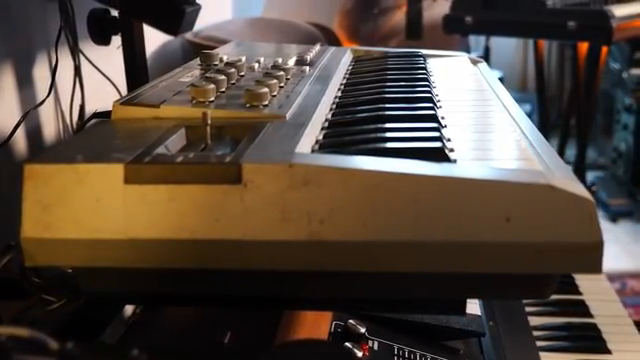
Vladimir Kuzmin’s legacy is not merely etched in schematics or faded factory badges; it breathes in the stories that flicker between musician and machine. HAINBACH recalls the first Polivoks drifting into his Berlin studio—a vessel from another era, bristling with unknowns and magnetic static. The initial encounter was a dance with the unknown, a hands-on navigation through a patchwork of myths and broken outputs, where the only guide was the resonance of intuition and curiosity.
In these moments, the Polivoks revealed itself not just as a synthesizer, but as a living artifact—gritty, overdriven, and suffused with the spectral signature of its origins. HAINBACH’s fascination was met with a surprise: a comment from Kuzmin himself, gently correcting a beautifully human mistake. The connection was humbling, a reminder that behind every legendary circuit is a creator—watchful, playful, and still listening from the other side of the screen.
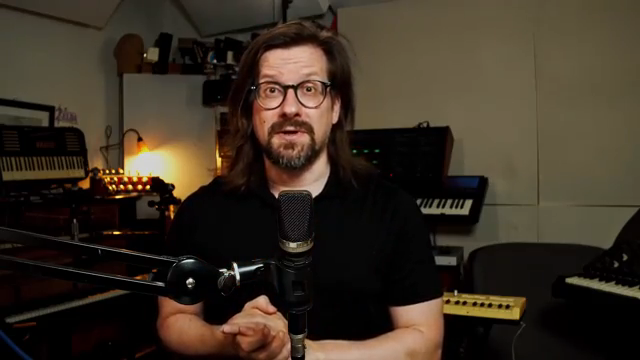
"There was a grittiness and an overdrive to it that felt utterly unique, and the filter, of course, is legendary."
© Screenshot/Quote: Hainbach (YouTube)
Grit, Ghosts, and the Living Circuit
"It sounds distinctly haunted, like broken dreams, fading memories, or whatever that girl listens to when she studies."
© Screenshot/Quote: Hainbach (YouTube)
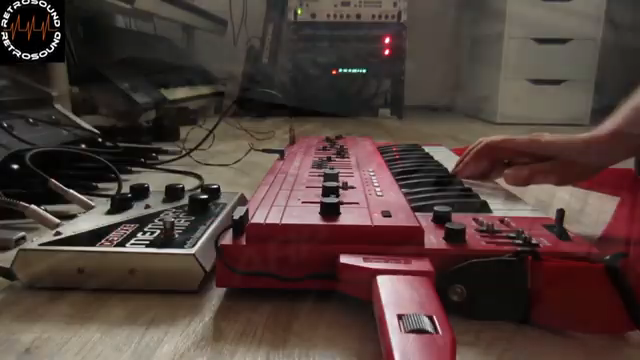
Kuzmin’s instruments are not passive machines—they are kinetic archives of feeling and error, always inviting the hands to uncover their secrets. The Formanta Maestro, another of his spectral gifts, became a companion to HAINBACH’s sonic explorations. Its sound was a tapestry of haunted tape, flickering memories, and the gentle decay of Soviet dreams. But its quirks—what some might call flaws—were, in truth, doors into new sonic worlds that only mistakes could unlock.
This affinity for imperfection gave the Maestro a resonance that echoed far beyond its humble origins. Its ghostly timbre captured a zeitgeist, drawing in listeners and players alike. Even as Kuzmin pointed out the technical missteps, it was clear that the spirit of the instrument thrived in these beautiful errors. The Maestro, like the Polivoks, endures as a vessel for spectral moods, eternally reinterpreted by each new touch.
Conversations with a Legend
Beyond the circuitry and the hum of oscillators, it was Kuzmin’s own presence that animated these stories with warmth and humility. HAINBACH’s recollections are not of distant, untouchable genius, but of a designer who delighted in dialogue—whether correcting an output path or sharing the hidden heritage of a toy organ. The revelation that a brutal little synth’s origins lay in a family achievement, and that it marked the genesis of Formanta’s journey, only deepened the sense of interconnectedness.
Kuzmin emerges as both architect and companion—a guide who gently steered, corrected, and celebrated the oddities that make music technology so endlessly human. These exchanges are constellations, illuminating the space where invention and community overlap, and where joy is found in the playful collision of knowledge and discovery.
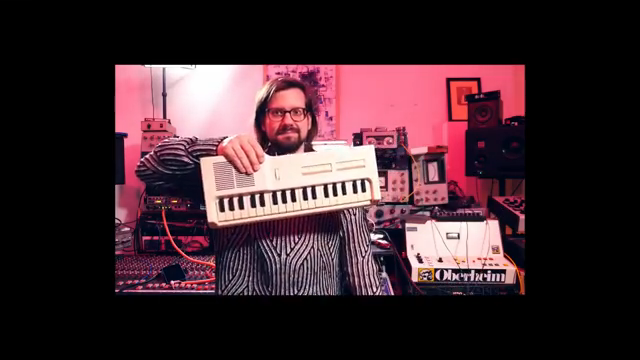
"Helpful, as always, Vladimir commanded with a bit of history."
© Screenshot/Quote: Hainbach (YouTube)
Bridging Walls with Sound
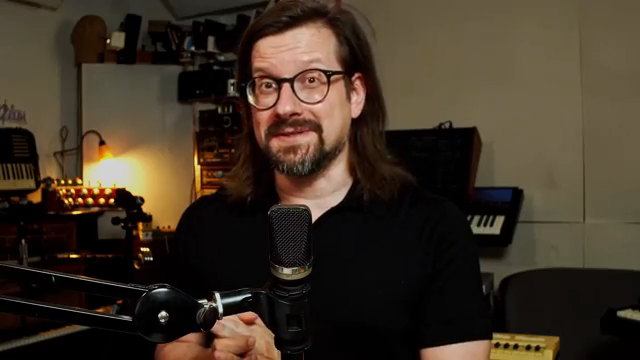
"But I believe music is there to bridge divides."
© Screenshot/Quote: Hainbach (YouTube)
In the final, resonant chord of this remembrance, HAINBACH draws us toward music’s power to dissolve borders and rewrite histories. Kuzmin’s instruments are not just tools; they are bridges, twisting through time and across divides once thought insurmountable. Each note spun from a Polivoks or Maestro carries the imprint of cultures once separated by walls—now united in the magnetic pull of sound. Here, the story blooms into something wider: a testament to music’s enduring role as a vessel of memory, empathy, and shared imagination.
This article is also available in German. Read it here: https://synthmagazin.at/hainbach-und-die-klanggeister-von-kuzmin-geschichten-aus-der-polivoks-nebelwolke/
More articles about these products:
Watch on YouTube:
Latest articles
Watch on YouTube:
Visit the channel:
https://www.youtube.com/Hainbach
https://www.youtube.com/Hainbach
Links from Hainbach:
Bandcamp: https://hainbach.bandcamp.com
Instagram: https://instagram.com/hainbach101
Homepage: https://hainbachmusik.com
Sponsored links:
If you purchase via these links, we may earn a small commission – at no extra cost to you. The link opens an Amazon keyword search, and results may vary depending on availability.
Femi Mark I
🔗 Check price on Amazon
🔗 Check price on Amazon
Formanta Maestro
🔗 Check price on Amazon
🔗 Check price on Amazon
Formanta Polivoks
🔗 Check price on Amazon
🔗 Check price on Amazon