Frap Tools, the Italian modular artisans, step into the studio spotlight with their Dynamics 2806 mono compressor, aiming it squarely at the heart of drum room mics. In this video, they demonstrate how two 2806 units can transform dry, unremarkable room tracks into something far more substantial—think body, saturation, and a stereo image that refuses to collapse. The focus is on practical, patch-minded workflows: feedback compression, pre-makeup mode, and the creative use of parallel faders. If you’re curious about how a dual mono approach can widen your mix and add punch without sacrificing transients, this is a session worth dissecting.
15. April 2025
MILES
Frap Tools: Squeezing Space – Dual Mono Drum Room Compression with the Dynamics 2806
Introducing the Dynamics 2806: Mono Muscle for Room Mics
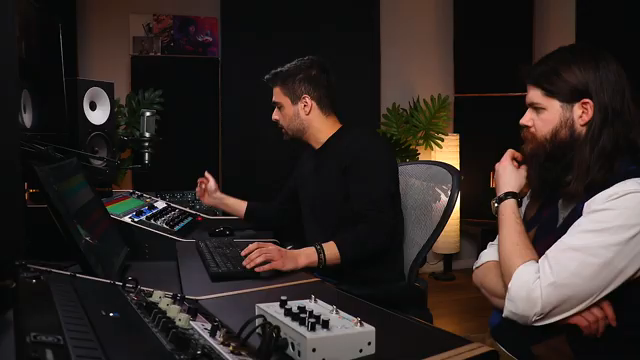
The video opens with Giovanni from Frap Audio and Federico Ascari in the studio, setting the stage for a focused exploration of drum room mic processing. Rather than chasing attack, as with previous kick drum treatments, the goal here is to inject body and saturation into what are described as fairly dry room tracks. The 2806 is presented as a straight mono compressor, and the team wastes no time in bypassing the units to let listeners hear the raw, unprocessed sound.
The emphasis is on using the 2806 to transform the room mics, making them sound more massive and lively. By introducing two units into the signal chain, Frap Tools demonstrates a workflow that’s as much about creative enhancement as it is about technical compression. The approach is practical—aimed at those who want to add weight and harmonic content to their drum ambience without resorting to heavy-handed stereo linking or overcomplicated routing.
Feedback, Pre-Makeup, and Parallel: The 2806’s Sonic Arsenal
A key feature highlighted is the 2806’s feedback design, which shapes how the compressor responds to incoming signals. The video details the use of the unit’s post mode, where the makeup gain directly influences the control signal’s strength, while the threshold governs output level. This configuration is particularly useful for boosting RMS and perceived loudness, making it ideal for room mics and tracks that benefit from extra harmonic saturation.
The 2806’s flexibility is further demonstrated with its parallel compression capabilities. By blending the compressed signal with the dry input, users can dial in just the right amount of body and punch, while still preserving the original transients. The feedback topology, combined with these control options, allows for nuanced shaping of the room sound—moving from subtle enhancement to overtly saturated textures depending on the settings.
"This is very useful to boost the RMS and the perceived level of the signal."
© Screenshot/Quote: Fraptools (YouTube)
Dual Mono Processing: Widening the Stereo Field
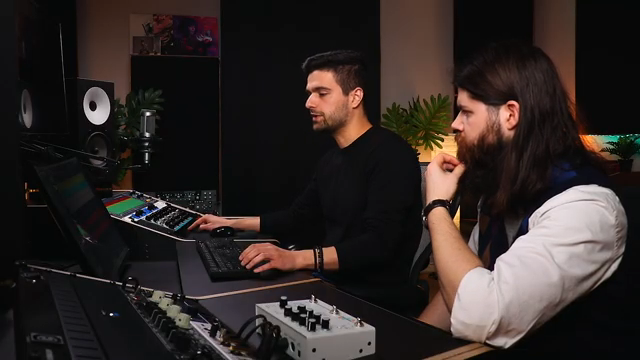
"So this way each unit is reacting to its own control signal."
© Screenshot/Quote: Fraptools (YouTube)
Instead of linking the two compressors for stereo operation, Frap Tools opts for a dual mono setup, sending the left and right room mic tracks to separate 2806 units. This means each channel responds independently to its own dynamics, rather than reacting in tandem. The result is a stereo image that remains wide and natural, as one side isn’t pulled down by transient spikes on the other.
This approach is especially valuable when dealing with drum recordings, where asymmetrical hits—like a rogue floor tom—can otherwise cause unwanted pumping or narrowing of the stereo field. By keeping the units unlinked, the video demonstrates how dual mono processing can maintain width and clarity, even under heavy compression. It’s a subtle but effective technique, well suited to modular-minded engineers who prefer granular control over their stereo image.
Practical Compression Workflows: RMS, Transients, and Mix Balance
The workflow shown is all about balancing body and punch. The expander section of the 2806 is deliberately switched off, focusing attention solely on the compressor’s action. Fast attack and release times are used to drive saturation, with the option to engage the classic button for a smoother, less distorted result if desired. The ratio is set high—around 6:1—pushing the processing towards limiting territory, but with enough nuance to avoid brickwall flattening.
Parallel compression is brought into play to restore some of the original transients lost to heavy compression. By blending in the dry signal with the parallel faders, the mix regains its snap and articulation, while the threshold knob is used to fine-tune output level. The video closes with a recap: two 2806s in dual mono, post mode for RMS pumping, and a workflow that’s as much about creative mix shaping as it is about technical gain reduction.

"So the attack and release time are very short and this is what basically contributes to the saturation of the signal."
© Screenshot/Quote: Fraptools (YouTube)
This article is also available in German. Read it here: https://synthmagazin.at/frap-tools-raumklang-unter-druck-dual-mono-drum-kompression-mit-dem-dynamics-2806/
Watch on YouTube:
Latest articles
Watch on YouTube:
Visit the channel:
https://www.youtube.com/FrapTools
https://www.youtube.com/FrapTools
Links from FrapTools:
website: https://frap.tools
instagram: https://instagram.com/fraptools
facebook: https://www.facebook.com/fraptools
twitter: https://twitter.com/fraptools
soundcloud: https://soundcloud.com/fraptools
Sponsored links:
If you purchase via these links, we may earn a small commission – at no extra cost to you. The link opens an Amazon keyword search, and results may vary depending on availability.
Frap Audio Dynamics 2806
🔗 Check price on Amazon
🔗 Check price on Amazon