Espen Kraft is back in the bunker, dusting off a 90s classic and giving it a fresh coat of 80s funk-pop paint—with all the lush chords and sampled brass you could want. This isn’t just a nostalgia trip; it’s a masterclass in how to drag a song from the past into the future without losing its groove. Expect tales of band days, gear confessions, and the kind of chord wizardry that would make Quincy Jones nod in approval. If you want to know how to make your pop slap with soul and sophistication, Espen’s got the blueprint. But trust me, you’ll want to hear the sounds for yourself.
23. January 2026
SPARKY
Espen Kraft’s 80s Funk Resurrection: Sophisticated Pop Gets a 2026 Makeover
Arturia MiniMoog V, Korg TR-Rack, PG-8X, Roland D-50, Roland S-10, UVI Emulator II+ library
Back to the Future: Espen’s 80s Funk-Pop Revival
Espen Kraft isn’t just remixing a tune—he’s resurrecting a slice of his own musical history. This video kicks off with a trip down memory lane, as Espen dusts off a track he wrote in 1994 for his band EasterDay. The song, once called “Change” and now reborn as “Shine,” was a staple of their live sets and even made it onto their 1997 CD. But Espen’s not here to just rehash old glories; he’s on a mission to give the song a new lease of life using the skills and sounds he’s picked up over the decades.
What’s refreshing is Espen’s honesty about the original production limits—budget, gear, and all. He’s not out to make a carbon copy, but to wrap the song in new textures and arrangements that scream 2026 while keeping the 80s soul intact. It’s a nostalgia trip, sure, but with a modern twist and a clear-eyed look at what makes a pop song both timeless and fresh. If you’re expecting a museum piece, think again—this is more like a rave bunker with velvet ropes.
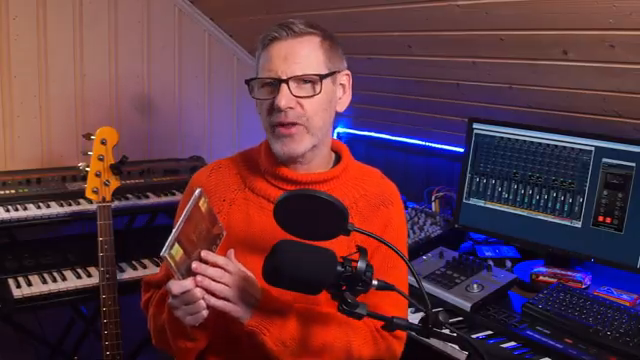
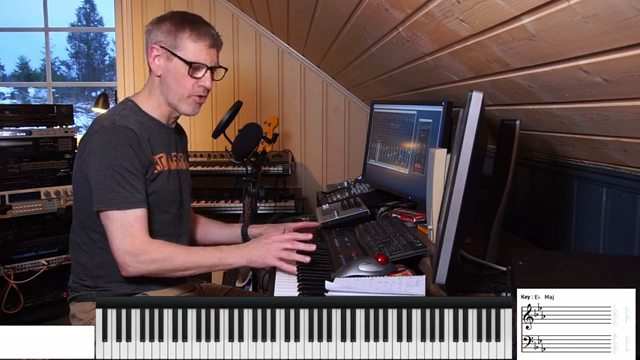
"I've always thought about doing some of the songs again with the skillset I have now, with the sound options I have now."
© Screenshot/Quote: Espenkraft (YouTube)
Chord Sorcery: Sophistication in Every Progression
"It sounds more sophisticated in a way, and it is."
© Screenshot/Quote: Espenkraft (YouTube)
Now for the meat: Espen dives deep into the chord structure, and let’s just say, this isn’t your average three-chord wonder. He takes the original, straightforward triads and flips them into suspended, diminished, and major seventh voicings, all in the key of E flat. The result? Chords that shimmer with tension and release, adding layers of sophistication that keep the listener hooked. He’s not afraid to swap out boring progressions for something that actually makes your ears perk up.
Throughout the breakdown, Espen shows how subtle tweaks—like holding a G note across pre-chorus chords or throwing in a Christmasy major seventh—can transform the emotional arc of the song. It’s a masterclass in making pop sound expensive without losing its groove. If you want to see the exact finger gymnastics and hear the difference, you’ll have to watch the video—words can only take you so far when the real magic is in the voicing.
Synths, Samples, and Sonic Candy
No 80s-inspired track is complete without a killer synth arsenal, and Espen doesn’t disappoint. He brings out the Arturia MiniMoog V for that classic Moog bassline—think Michael Jackson’s “Man in the Mirror” but with his own twist. The Roland D-50 steps up for those Fairlight-style vocal pads and bell sounds, while the UVI Emulator II+ library and Korg TR-Rack add extra sparkle and depth. There’s even a nod to the Roland S-10 sampler, because why not?
Espen layers these sounds like a chef building a five-course meal, making sure each synth and sample has its place without crowding the mix. The result is a lush, textured soundscape that’s both retro and forward-thinking. If you want to geek out over patch details or hear how these sounds actually sit in the track, the video’s got you covered—don’t expect a full patch dump here.
Basslines & Drums: The Groove Engine
Let’s talk rhythm section. The bassline is pure Moog muscle—punchy, gliding, and played with enough attitude to make any dancefloor move. Espen admits he didn’t plan every note; it’s all about feel, punch-ins, and channeling that 80s session vibe. The drums, meanwhile, are tight but not overcooked: kicks, snares, claps, shakers, and the odd wood block, all arranged to leave space for the rest of the mix.
What’s key here is restraint. Espen avoids the temptation to overload the groove, focusing instead on funk and clarity. The drums and bass lock in to create that essential bounce, while leaving room for all the melodic ear candy flying overhead. If you want to see how the groove comes together in real time, you’ll need to catch the video—there’s only so much you can explain before you have to feel it.
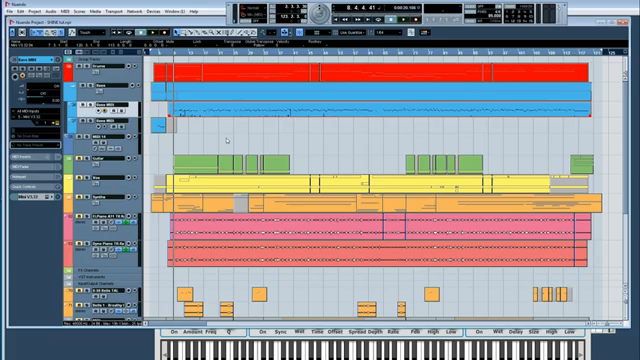
"A classic Moog bass of course. Here's how it's done."
© Screenshot/Quote: Espenkraft (YouTube)
Mix Tricks and Layering: Bringing Shine to Life
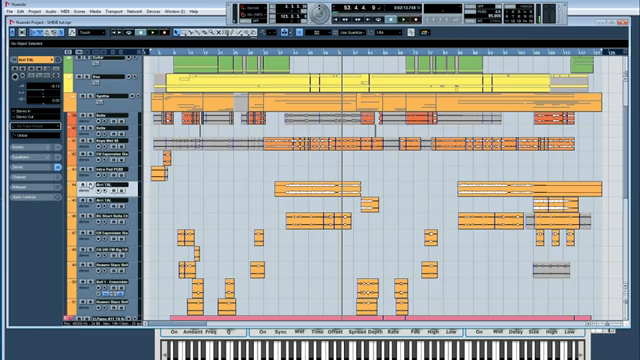
"The listener, the end listener, is always my main goal here."
© Screenshot/Quote: Espenkraft (YouTube)
With the groove locked, Espen moves on to the final arrangement and mix. He layers electric pianos for warmth, compresses them to sit tight, and high-passes to avoid mud—classic moves, but executed with taste. Guitars drop in for funky fills and loops, never overstaying their welcome. The synths and bells are sprinkled throughout, adding sparkle and tension, especially in the chorus where that D-50 Fairlight patch really shines.
Espen’s focus is always on the listener’s journey. He tweaks chord voicings, drops out elements for contrast, and keeps the arrangement evolving to avoid boredom. It’s all about providing interest without overwhelming the ear. If you want to hear how these choices actually sound—especially those layered bells and synths—you’ll need to experience the track yourself. The video is a must-watch for anyone wanting to see how a pro brings vintage pop into the now.
This article is also available in German. Read it here: https://synthmagazin.at/espen-krafts-80s-funk-resurrection-sophisticated-pop-bekommt-ein-2026-makeover/
Watch on YouTube:
Latest articles
Watch on YouTube:
Visit the channel:
https://www.youtube.com/EspenKraft
https://www.youtube.com/EspenKraft
Links from EspenKraft:
Instagram: https://instagram.com/espenkraft
Sponsored links:
If you purchase via these links, we may earn a small commission – at no extra cost to you. The link opens an Amazon keyword search, and results may vary depending on availability.
Arturia MiniMoog V
🔗 Check price on Amazon
🔗 Check price on Amazon
Korg TR-Rack
🔗 Check price on Amazon
🔗 Check price on Amazon
PG-8X
🔗 Check price on Amazon
🔗 Check price on Amazon
Roland D-50
🔗 Check price on Amazon
🔗 Check price on Amazon
Roland S-10
🔗 Check price on Amazon
🔗 Check price on Amazon
UVI Emulator II+ library
🔗 Check price on Amazon
🔗 Check price on Amazon