Elektron’s Tonverk lands as a bold, polyphonic multisampler and audio processor, promising a vast landscape for digital sound design and performance. In this official walkthrough, Aho Ssan guides us through Tonverk’s core machines, its intricate routing matrix, and a buffet of effects—all wrapped in Elektron’s signature, performance-focused workflow. With 16 tracks, deep modulation, and a modular approach to FX, Tonverk aims to be more than just another groovebox. We dive into how its architecture, track types, and creative tools come together, and what this means for those seeking a next-gen digital workstation.
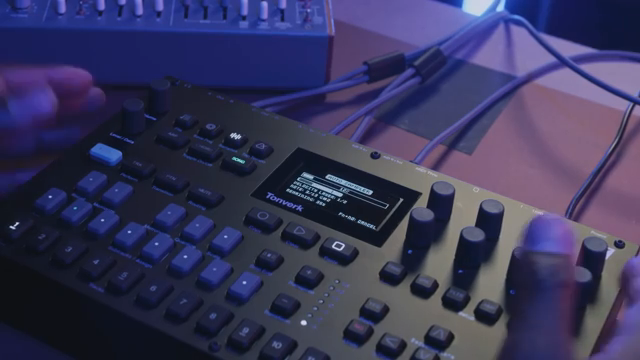
11. September 2025
LYRA
Elektron Tonverk: Polyphonic Playground Meets Routing Powerhouse
A Polyphonic Multisampler with a Taste for Adventure
Tonverk is introduced as a machine built for sonic exploration, positioning itself as a versatile polyphonic sampler and audio processor. Elektron’s presentation leans into the idea of Tonverk as an all-in-one creative hub, capable of acting as a sampler, FX blender, routing playground, and multi-tonal factory. The device is not just about ticking feature boxes—it’s about encouraging users to find their own unique workflows, whether that means layering, resampling, or inventing new routing schemes.
From the outset, Tonverk is framed as a box that invites experimentation. Elektron’s characteristic focus on performance and live manipulation is evident, with the promise that all these capabilities can be accessed simultaneously. The video sets the stage for Tonverk as a platform for both structured composition and spontaneous sound design, hinting at a depth that goes well beyond basic sample playback.
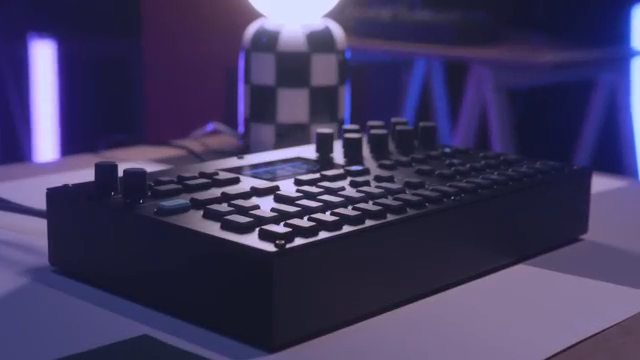
"It can be your versatile polyphonic sampler, your anything-is-possible routing playground, your FX blender, your machine with tracks within tracks, your multi-tonal factory."
© Screenshot/Quote: Weareelektron (YouTube)
Three Machines, Three Approaches: Multiplayer, Subtracks, and Single Player
"With the subtracks machine, every lower row key on Toneverk's keyboard can host its own sample."
© Screenshot/Quote: Weareelektron (YouTube)
Tonverk’s architecture is anchored by three distinct audio machines, each offering a different approach to sound creation and manipulation. The Multiplayer machine is designed for multi-sample instruments, allowing users to load complex, velocity-layered sounds and even auto-sample external sources. This auto-sampling feature stands out, enabling users to record monophonic patches from other gear and transform them into polyphonic instruments, with control over note and velocity layers.
The Subtracks machine takes a more granular approach, letting each key in the lower row of Tonverk’s keyboard host its own sample. This effectively turns a single track into eight subtracks, each with independent filters, amp, and modulation—ideal for building layered drum kits or multi-timbral setups. The flexibility to load different samples per subtrack or duplicate sounds across keys supports a wide range of creative workflows.
Rounding out the trio, the Single Player machine focuses on polyphonic one-shots. Users can load or capture their own samples, define start and end points, and use crossfade parameters for smooth looping. This machine is about quick, playable sample manipulation, with the ability to stretch a single tone into polyphonic textures. MIDI capabilities are also mentioned, hinting at external control and integration.
Routing: The Heart of Tonverk’s Modularity
Routing is where Tonverk’s digital architecture truly flexes. The device offers 16 tracks: 8 for audio or MIDI, 4 for buses, 3 for sends, and 1 for the mix—each with its own sequencer. Physical connectivity is robust, with 2 inputs, 4 outputs, a headphone out (also routable), MIDI in/out/thru, dual USB-C, and SD card support. This hardware backbone supports a routing menu that allows for highly individualized signal paths, whether you want to isolate a sound or combine tracks for collective processing.
Parameter locking (P-lock) is deeply integrated—not only can you lock parameters per step, but you can also P-lock routing assignments themselves, even for just a split second. This opens up dynamic, evolving patterns where tracks can jump between buses and effects chains on the fly. The video demonstrates several routing scenarios: sending audio out to external FX and back, prepping buses with different effects, and using real-time track routing for performance transitions.
Elektron’s approach here is unapologetically modular, giving users the tools to build complex, evolving signal flows. The ability to P-lock both sound and routing parameters per step is a standout, promising a level of control that goes beyond most traditional samplers or grooveboxes.
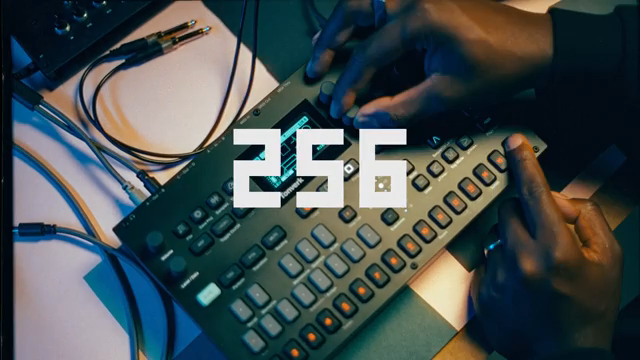
"Toneverk also lets you P-lock the routing itself, which will sound continuously or for just a split second."
© Screenshot/Quote: Weareelektron (YouTube)
A Multitude of Effects: From Funhouse to Modular Matrix
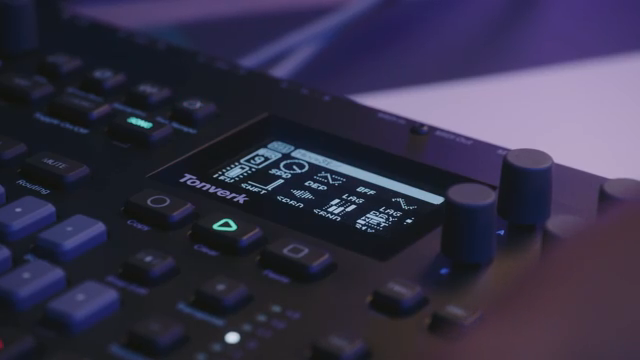
"As you can hear, Tonverk is an FX funhouse and comes with all sorts of FX options to dive into."
© Screenshot/Quote: Weareelektron (YouTube)
Tonverk’s effects section is described as a veritable funhouse, with a wide array of FX types available. Alongside Elektron classics, new additions like Degrader, Frequency Warper, Infinite Flanger, Phase 98, Boomscreen Reverb, Filter Bank, and Compress Minus expand the palette. Effects can be applied modularly: two per audio track and bus, plus one for each send and the mix, allowing for intricate, layered processing chains.
Every track and subtrack also features dual filters—one for creative shaping, one for corrective duties. Modulation is everywhere, with multiple LFOs and mod envelopes assignable to both voices and effects. This architecture supports deep sound design, with the configuration adapting to the machine in use. The result is a system where effects and modulation are not afterthoughts but core components of the workflow.
Werkstation: Sequencing, Performance, and External Integration
Tonverk positions itself as a true workstation, not just a sampler or synth. Features like a step editor, arpeggiator, chord and song modes, performance macros, and memory management are highlighted as tools for both composition and live improvisation. The perform mode, transition options, and broad modulation sources are designed to shine especially when paired with an external keyboard, suggesting a hybrid workflow that bridges studio and stage.
The video emphasizes the ability to multisample instruments, warp and bend sounds, build subtracks, route signals, save presets, and sequence entire songs—all within a single box. External gear integration is also foregrounded, with clear support for bringing outside instruments and effects into the Tonverk ecosystem.
Elektron’s presentation makes it clear that Tonverk is meant to be an invitation to deep musical exploration. While the video showcases a wealth of features and flexible workflows, it leaves open questions about menu navigation depth, real-world latency, and how these capabilities hold up in demanding live contexts—areas that will require hands-on testing to fully assess.
This article is also available in German. Read it here: https://synthmagazin.at/elektron-tonverk-polyphones-playground-trifft-routing-kraftpaket/
Watch on YouTube:
Latest articles
Watch on YouTube:
Visit the channel:
https://www.youtube.com/WeAreElektron
https://www.youtube.com/WeAreElektron
Links from WeAreElektron:
website: https://www.elektron.se
twitter: https://twitter.com/WeAreElektron
facebook: https://www.facebook.com/WeAreElektron
instagram: https://instagram.com/weareelektron
Sponsored links:
If you purchase via these links, we may earn a small commission – at no extra cost to you. The link opens an Amazon keyword search, and results may vary depending on availability.
Elektron Tonverk
🔗 Check price on Amazon
🔗 Check price on Amazon