Elektron’s Digitone II is a bold reimagining of their FM-centric groovebox, now expanded into a 16-track, 16-voice polyphonic synth with a distinctly modular workflow. In this official video, the Elektron team walks us through the new multi-engine sound architecture, advanced sequencing, and modulation tools that push the boundaries of digital synthesis. From the fresh Wavetone and Swarmr engines to the deep performance features and connectivity, Digitone II is positioned as a creative hub for both studio and live setups. We dive into what’s actually demonstrated—and where Elektron leaves room for further exploration.
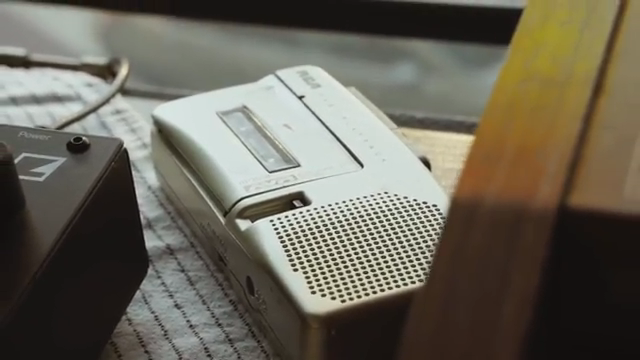
A Polyphonic Playground: Digitone II’s Core Architecture
Digitone II is introduced as a 16-track, 16-voice polyphonic synthesizer, signaling a significant leap from its predecessor’s already potent FM foundation. The video emphasizes its ability to serve as both a synthesis and MIDI powerhouse, with tracks assignable for either purpose. This flexibility is framed within Elektron’s signature modular workflow, allowing users to sculpt complex arrangements and soundscapes.
The presenters highlight the instrument’s evolution, describing it as a multi-timbral box designed to pull your sounds through a prism of dazzling timbres. The workflow is described as more modular than before, with an expanded sequencer and a host of new features that invite deep exploration. Elektron’s focus on performance and tweakability is clear from the outset, positioning Digitone II as both powerful and fun for hands-on sound design.

"It is the reimagining of an already potent box of FM synthesis into a multi-machine many realm-reaching wonder."
© Screenshot/Quote: Weareelektron (YouTube)
Multi-Engine Synthesis: From FM to Swarmr and Beyond
"Choose from multiple unique melodic synth engines, FM and beyond, as well as rich, percussive options."
© Screenshot/Quote: Weareelektron (YouTube)
The heart of Digitone II’s sonic palette lies in its multiple digital synthesis engines. The video walks through four main machines: Wavetone, Swarmr, FM Tone, and FM Drum. Wavetone is described as a modern twist on the classic two-oscillator synth, offering morphable oscillator shapes, phase distortion, and modulation options like ring mod and hard sync. This engine is all about precision and flexibility, letting users define their noise flavor with granular control.
Swarmr takes the supersaw archetype to new heights, clustering seven oscillators with independent waveform selection, detuning, and noise modulation. The result is rich, complex textures that go well beyond traditional analog emulations. FM Tone brings back the original Digitone’s FM synthesis engine, praised for its crispness and versatility in shaping everything from glassy leads to aggressive basses.
Rounding out the set is FM Drum, which, despite its percussive focus, offers enough flexibility to craft melodic sounds as well. The video demonstrates how transient and noise settings add character and fizz, making it suitable for everything from snappy snares to experimental tones. The diversity of these engines underlines Digitone II’s ambition as a multi-realm sound design tool.
Sequencing Evolved: Parameter Locks, Euclidean Patterns, and More
Elektron’s sequencer has always been a defining feature, and Digitone II pushes this even further. The expanded sequencer now supports up to 128-step patterns, offering ample space for intricate compositions. Parameter locking remains at the core, allowing users to assign unique parameter values to individual steps—an essential tool for evolving, dynamic sequences.
The video spotlights advanced features like per-step conditions, probability, and retrig, giving users granular control over rhythmic variation. Notably, the new Euclidean Sequencer Mode introduces dual pulse generators, opening up algorithmic pattern generation for those seeking fresh creative pathways. Page loops and live recording further enhance both composition and performance workflows, reinforcing Elektron’s reputation for deep, hands-on sequencing.
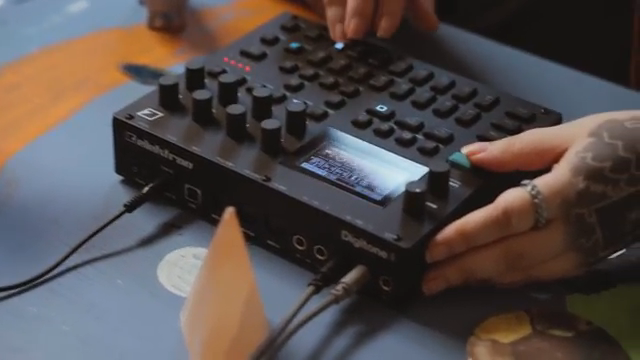
"At the heart of it all, as ever, is parameter locking."
© Screenshot/Quote: Weareelektron (YouTube)
Modulation and Filtering: Sculpting with Precision
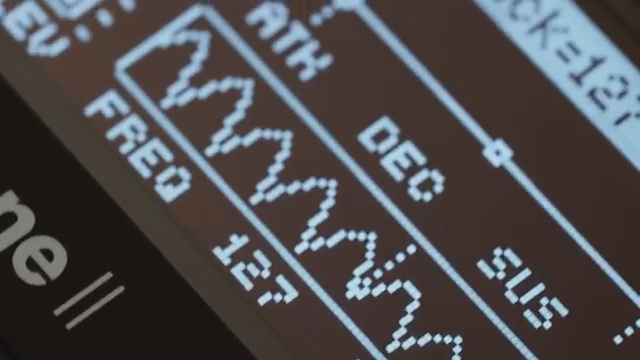
"Try out a variety of filter types, such as comb negative and comb positive, offering particularly experimental sounds."
© Screenshot/Quote: Weareelektron (YouTube)
Digitone II’s modular ethos is most evident in its modulation and filtering capabilities. The instrument offers a variety of filter types—including comb (positive and negative), multi-mode, EQ, and legacy low/high pass—each bringing distinct sonic flavors. The bass width filter stands out for its flexibility, as it can be placed before or after other filters in the signal chain, allowing for nuanced sound shaping.
On the modulation front, each voice gets a dedicated amp envelope (ADSR or AHG for percussive sounds) and three LFOs per track. These LFOs can target an extensive list of destinations, with a range of shapes, fade styles, and modes. The video encourages users to imagine this depth multiplied across all 16 tracks, highlighting the potential for highly dynamic and evolving patches. Key tracking and modulation routing are also showcased, supporting expressive, keyboard-based performances.
Performance Tools and Connectivity: Integrating Digitone II
Digitone II is designed for seamless integration into a variety of setups, whether in the studio or on stage. The video demonstrates balanced stereo ins and outs, send effects, overdrive, and a compressor, all of which can be blended for full stereo processing. All 16 tracks are MIDI-capable, making the unit a flexible hub for controlling external gear as well as internal sounds.
Performance features like Note Edit, customizable modulation assignments (including aftertouch, pitch bend, mod wheel, velocity, and breath control), and the arpeggiator are highlighted as tools for transforming and interacting with musical ideas in real time. The kit and perform kit systems enable quick recall and creative experimentation, while Control All and trick modes provide instant access to deep parameter tweaks. Song mode rounds out the feature set, supporting structured live sets and complex arrangements.
This article is also available in German. Read it here: https://synthmagazin.at/elektron-digitone-ii-modulares-denken-trifft-polyphone-power/
Watch on YouTube:
Latest articles
Watch on YouTube:
Visit the channel:
https://www.youtube.com/WeAreElektron
https://www.youtube.com/WeAreElektron
Links from WeAreElektron:
website: https://www.elektron.se
twitter: https://twitter.com/WeAreElektron
facebook: https://www.facebook.com/WeAreElektron
instagram: https://instagram.com/weareelektron
Sponsored links:
If you purchase via these links, we may earn a small commission – at no extra cost to you. The link opens an Amazon keyword search, and results may vary depending on availability.
Digitone II
🔗 Check price on Amazon
🔗 Check price on Amazon