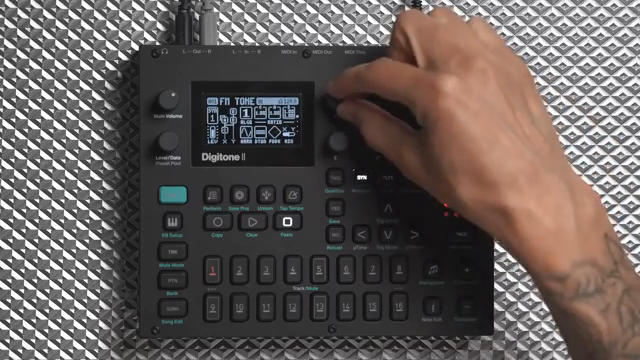
Elektron’s Digitone II takes classic four-operator FM synthesis and fuses it with modern subtractive controls, offering a hybrid sound engine that’s both flexible and approachable. In this official walkthrough, Elektron’s team methodically explores the FM Tone machine, breaking down its architecture, algorithm selection, and parameter controls. The video leans into the details—operator envelopes, harmonic shaping, detune, feedback, and fine-tuning—giving us a clear look at how Digitone II’s digital core translates into hands-on sound design. As always with Elektron, the focus is on workflow and real-time manipulation, not just static presets.
5. June 2025
LYRA
Elektron Digitone II: Dissecting FM Tone Synthesis and Workflow
Hybrid Heart: FM Meets Subtractive
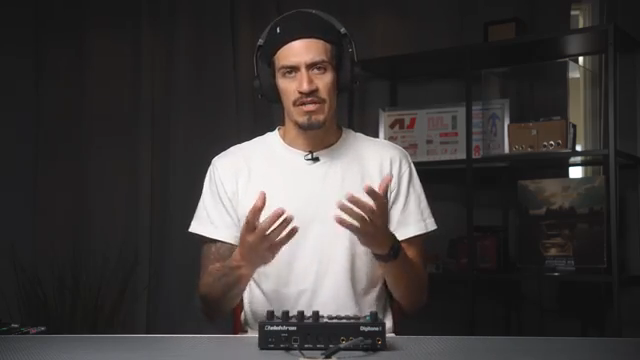
The Digitone II is introduced as a four-operator FM synthesizer, drawing inspiration from classic 1980s FM implementations but with a distinctly modern twist. Unlike early FM synths, where frequency modulation handled everything from tone generation to amplitude shaping, Digitone II separates these duties. Here, the FM engine is positioned as a complex tone generator, which is then processed through familiar subtractive synthesis elements like filters and amplifiers. This hybrid approach allows for both the glassy, metallic textures FM is known for and the sculpting power of subtractive synthesis.
Elektron’s workflow emphasizes flexibility: most default patches start with the FM Tone machine, making it the foundation for sound design. The video demonstrates how to select the FM Tone engine via the SYN page, reinforcing that this is the core voice architecture. By decoupling FM from amplitude and filtering, Digitone II encourages users to treat its FM section as a highly malleable oscillator, ready to be shaped further downstream.
"So think of it as a crazy flexible oscillator."
© Screenshot/Quote: Weareelektron (YouTube)
Algorithmic Blueprints: The ALGO Control
"The ALGO control defines how the four operators interact."
© Screenshot/Quote: Weareelektron (YouTube)
Central to Digitone II’s FM architecture is the ALGO control, which determines how the four operators interact. Each algorithm defines a unique signal path, setting up different relationships between carriers and modulators. The video highlights how following the signal flow in the algorithm chart helps users understand which operators are influencing each other, a crucial step for effective FM sound design.
Visual feedback plays a key role: dotted and solid lines in the algorithm diagram indicate whether an operator’s output is affected by its envelope. This distinction becomes important when sculpting dynamic sounds, as it directly impacts how modulation evolves over time. Elektron’s interface makes these relationships explicit, reducing the guesswork often associated with FM synthesis.
Harmonics, Detune, Feedback, and Mix: Sculpting the Core
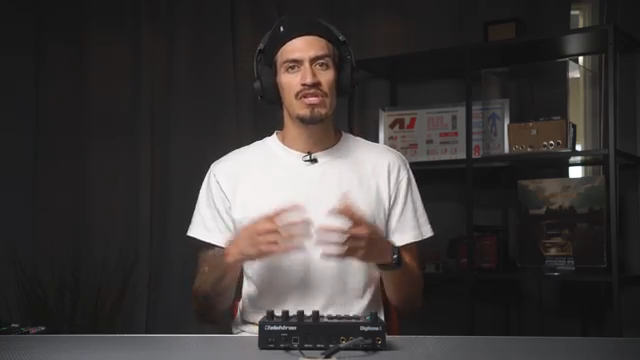
The video moves on to demonstrate the main parameters for shaping FM timbre. The harmonics control alters operator waveforms, with negative values targeting operators C and positive values affecting A and B1. Real-time visual cues highlight which operators are being modified, making the process more intuitive. Detune introduces subtle or dramatic pitch offsets for operators A and B2, enabling everything from lush, chorused textures to abrasive dissonance.
Feedback is another powerful tool, controlling self-modulation for specific operators depending on the selected algorithm. The video points out the loop symbol in the algorithm chart, which identifies the operator receiving feedback. Finally, the mix parameter crossfades between the two main outputs (X and Y), blending operator groups for broad tonal variation. This section underscores how Digitone II’s interface encourages experimentation, with each control offering immediate, audible results.
"Detune will add a slight pitch offset for operators A and B2."
© Screenshot/Quote: Weareelektron (YouTube)
Operator Envelopes: Temporal Modulation Control
Envelopes for operators A and B are presented as key tools for shaping modulation over time. Attack, decay, and end parameters define how quickly modulation starts, fades, and settles, while the level setting determines the overall amount applied. The video demonstrates how these envelopes influence the evolving character of FM sounds, from percussive plucks to sustained pads.
Further refinement is possible on the next synth page, where delay can be added before envelopes trigger, and trigger modes introduce sustain stages. The B envelope, for example, can be set to hold its value as long as a note is held, only proceeding to decay and end phases upon release. Reset options allow envelopes to restart with each note, and phase reset determines where operator waveforms begin, offering additional control over consistency and variation in sound generation.
Precision Tools: Fine-Tuning and Key Tracking
"This will change the modulation intensity based on the note played."
© Screenshot/Quote: Weareelektron (YouTube)
The final section of the video covers fine-tuning options for pitch and modulation behavior. Ratio offsets for each operator (C, A, B1, B2) allow for subtle or extreme pitch adjustments, enabling users to dial in precise harmonic relationships. The distinction between coarse pitch settings on the first page and these finer controls is made clear: the former operates in musical intervals, while the latter offers granular adjustment.
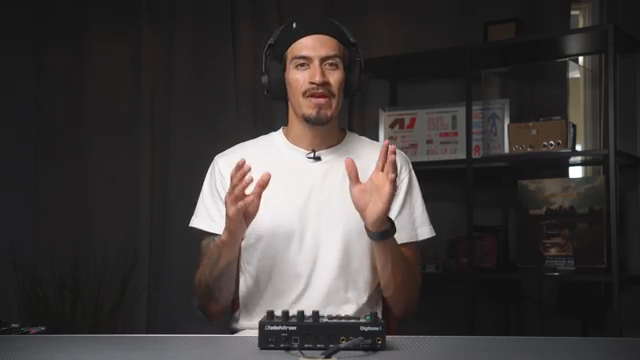
Key tracking is another standout feature, modulating the intensity of FM based on the note played. With key tracking set to zero, modulation remains consistent across the keyboard. Increasing the value causes higher notes to receive less modulation, making it possible to craft sounds that respond dynamically to pitch. This level of control is essential for advanced FM programming and gives Digitone II a nuanced, performance-ready edge.
This article is also available in German. Read it here: https://synthmagazin.at/elektron-digitone-ii-fm-tonarchitektur-und-workflow-im-fokus/
Watch on YouTube:
Latest articles
Watch on YouTube:
Visit the channel:
https://www.youtube.com/WeAreElektron
https://www.youtube.com/WeAreElektron
Links from WeAreElektron:
website: https://www.elektron.se
twitter: https://twitter.com/WeAreElektron
facebook: https://www.facebook.com/WeAreElektron
instagram: https://instagram.com/weareelektron
Sponsored links:
If you purchase via these links, we may earn a small commission – at no extra cost to you. The link opens an Amazon keyword search, and results may vary depending on availability.
Elektron Digitone II
🔗 Check price on Amazon
🔗 Check price on Amazon