What happens when modular synthesis meets the disciplined sequencing of Elektron’s Digitakt II? In this official feature, Jeremiah Chiu walks us through his hybrid workflow, revealing how he bridges the gap between analog unpredictability and digital control. Chiu’s process is less about technical bravado and more about fostering a space where improvisation and emotion can thrive. Elektron’s signature focus on live performance and creative sequencing is front and center, but the real story is how Chiu uses these tools to find the “human” in electronic music. If you’re curious about integrating modular rigs with grooveboxes—or about the philosophy behind creative workflows—this is essential viewing.
6. February 2025
LYRA
Elektron Digitakt II as Creative Nerve Center: Jeremiah Chiu’s Human-Machine Dialogue
1010music module, Elektron Digitakt II, Teenage Engineering OP-1, Tubatec TRS MIDI Bridge
Modular Meets Digitakt II: A Hybrid Workflow
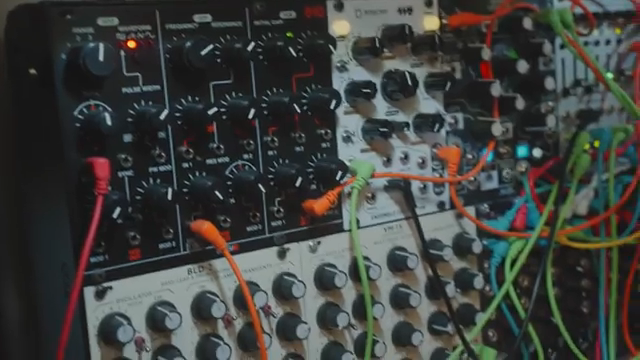
Jeremiah Chiu opens by situating himself at the intersection of modular synthesis and Elektron’s Digitakt II, emphasizing a workflow that leverages both the tactile unpredictability of analog gear and the precise sequencing of digital hardware. His background as a composer and synthesist in Los Angeles, with two decades of experience, sets the stage for a nuanced discussion of creative integration. Chiu’s approach is not about choosing sides but about building a bridge between these worlds.
He describes how he manually triggers long-form modular clips—mentioning the 1010 as a source—and then fades in sequences, using Digitakt II as the master clock. This setup allows him to orchestrate complex, evolving performances where modular and digital elements are tightly synced. The workflow is designed for flexibility, with Digitakt II providing program changes and pattern switching via a Tubatec TRS MIDI Bridge, ensuring that every device in his setup responds in real time to his creative impulses.
Creativity First, Judgment Later
A core tenet of Chiu’s process is the separation of creation and critique. He stresses the importance of allowing ideas to flow freely before engaging the analytical mind. For Chiu, making and judging simultaneously can stifle exploration, leading to missed opportunities and a focus on minutiae rather than potential.
He advocates for an initial phase of unfiltered experimentation, where possibilities are explored without the constraints of self-editing. Only after this generative stage does he shift into a more evaluative mode, shaping and refining the material. This philosophy underpins both his teaching and his personal practice, encouraging a workflow that prioritizes discovery over perfectionism.
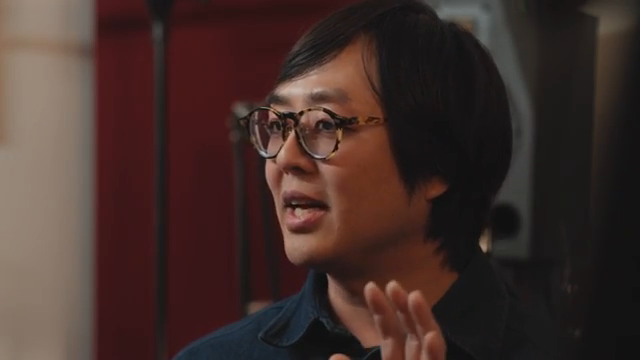
"I really make sure to separate the process of making from the process of judging."
© Screenshot/Quote: Weareelektron (YouTube)
Digitakt II as Performance Conductor
"Digitakt is like the master clock for everything."
© Screenshot/Quote: Weareelektron (YouTube)
Chiu positions the Digitakt II as the central hub in his setup, acting as the master clock and control surface for all connected devices. Through the Tubatec TRS MIDI Bridge, he’s able to send program changes and switch entire patterns across his rig with a single gesture. This level of integration means that modular synths, full-size keyboards, and other gear all follow the Digitakt II’s lead.
The result is a performance environment where sequences and patterns can be manipulated on the fly, making the Digitakt II not just a drum machine or sampler, but a true conductor for the ensemble. Chiu highlights the fun and immediacy of this approach, noting how it enables spontaneous shifts and dynamic control during live sets.
Improvisation and the Art of Capturing Expression
Improvisation sits at the heart of Chiu’s creative approach. He describes a process where live performances are recorded extensively, providing raw material for later collage, composition, and editing. This method allows him to capture moments of genuine expression that might otherwise be lost in more rigid production workflows.
By prioritizing live takes and spontaneous interaction with his instruments, Chiu seeks to preserve a sense of liveness and humanity in his electronic music. He acknowledges the tendency of electronic setups to become overly rigid or quantized, and deliberately pushes against this by embracing the unpredictability and nuance of real-time performance.
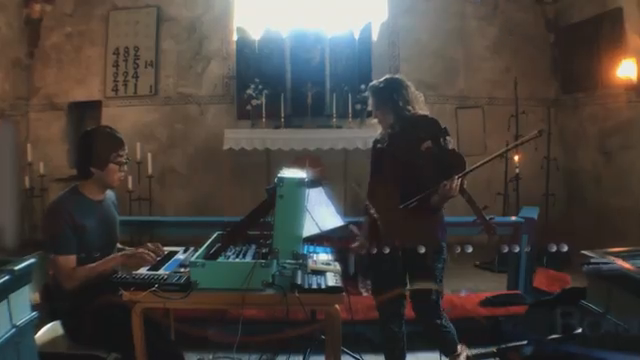
"I'm able to capture a liveness or a humanness, and that's something that I'm focused a lot on with electronic music."
© Screenshot/Quote: Weareelektron (YouTube)
Balancing Technicality and Humanity
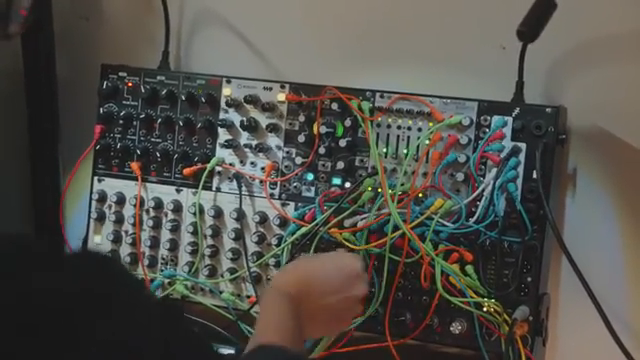
"You come back to the thing that you wrote, and it's like slightly different every single time."
© Screenshot/Quote: Weareelektron (YouTube)
Chiu reflects on the broader question of what listeners value in music, suggesting that technical proficiency often takes a back seat to emotional resonance and storytelling. He points to the enduring appeal of archival recordings and demos, where imperfections and human touches become a source of connection.
For Chiu, the challenge and fascination of electronic music lie in making human music with electricity. He contrasts the reproducibility of computer-based workflows with the subtle variability of modular and analog gear, where each performance is slightly different. Ultimately, his goal is to use these tools to express individuality and emotion, ensuring that the story and the human element remain at the forefront of his work.
This article is also available in German. Read it here: https://synthmagazin.at/elektron-digitakt-ii-als-kreatives-nervenzentrum-jeremiah-chius-dialog-zwischen-mensch-und-maschine/
Watch on YouTube:
Latest articles
Watch on YouTube:
Visit the channel:
https://www.youtube.com/WeAreElektron
https://www.youtube.com/WeAreElektron
Links from WeAreElektron:
website: https://www.elektron.se
twitter: https://twitter.com/WeAreElektron
facebook: https://www.facebook.com/WeAreElektron
instagram: https://instagram.com/weareelektron
Sponsored links:
If you purchase via these links, we may earn a small commission – at no extra cost to you. The link opens an Amazon keyword search, and results may vary depending on availability.
1010music module
🔗 Check price on Amazon
🔗 Check price on Amazon
Elektron Digitakt II
🔗 Check price on Amazon
🔗 Check price on Amazon
Teenage Engineering OP-1
🔗 Check price on Amazon
🔗 Check price on Amazon
Tubatec TRS MIDI Bridge
🔗 Check price on Amazon
🔗 Check price on Amazon