If you think MIDI control is just about mapping sliders to parameters, CROW HILL’s latest deep-dive will slap you awake. Christian Henson throws open the bunker doors and lets us peer into a world where faders aren’t just for tweaking—they’re for live performance chaos and expressive mayhem. Crystal Pads isn’t your average pad library; it’s a shimmering beast built from sampled glass and twisted through new-school MIDI tricks. Henson’s signature wit and relentless focus on performance make this a must-watch for anyone tired of static, lifeless soundscapes. Warning: what you see here might just make your current pad setup feel like a toaster in a rave bunker.
13. June 2026
SPARKY
CROW HILL’s Crystal Pads: MIDI Faders Unleashed and Glassy Mayhem
Crow Hill Crystal Pads, Crow Hill Crystal Pianos, Ghost Note Audio Conductor, Lujin MIDI Fader Controller
Faders for Performance, Not Just Tweaking
CROW HILL isn’t faffing about with another MIDI tutorial—he’s on a mission to rewire how we approach controlling sound. Forget about endless menu diving or set-and-forget UI layouts; the real juice is in turning the interface itself into an instrument. If your MIDI controller’s gathering dust under your desk, consider this a wake-up call. Henson’s approach is all about making every fader move count, pushing you to animate your music in real time rather than dial in static settings.
Especially for those buried in the trenches of TV, film, or game composing, where more is demanded with less, this new philosophy matters. The video doesn’t just talk theory—Henson hammers home how performance-ready control can make your sounds come alive, letting you do more with less effort. If you want to actually play your software, not just program it, this is the kind of rethink that’ll get your hands moving and your tracks breathing.
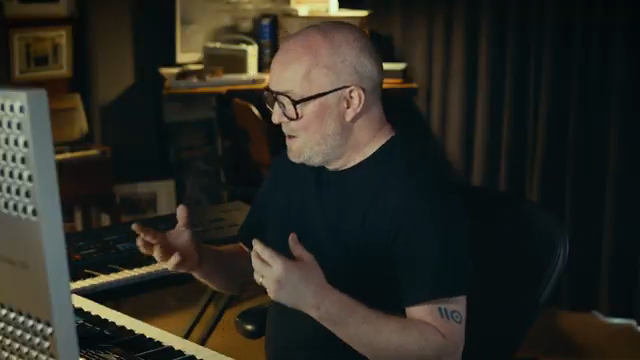
"Think of user interfaces, not as a way of interfacing with complicated functionality, but in fact, a method of interfacing and enhancing a performance."
© Screenshot/Quote: Thecrowhillco (YouTube)
Crystal Pads: Glassware Gone Sonic
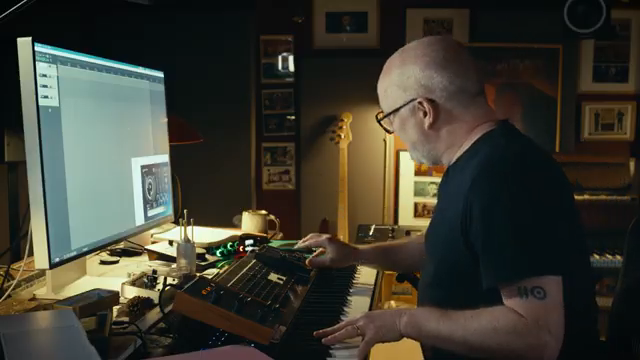
"I'm no longer content with pad sounds that are either static or indeed I have no control over."
© Screenshot/Quote: Thecrowhillco (YouTube)
Crystal Pads isn’t your average preset fodder. Built from sampled wine glasses, tumblers, and vases, it’s a collection that’s more glassblower’s fever dream than digital synth cliché. Each patch is really three sounds in one, with partials that can be layered or used episodically, giving you everything from lush, evolving pads to organ-like harmonics and surprising, left-field tones. It’s all about movement—long loops, subtle motion, and attacks you can mould into melodic lines, not just background mush.
The controls are proper performance tools, too. There’s a monster knob for expression, a clever combined low/high-pass filter, and partial faders that invite you to sculpt, not just set-and-forget. Effects like the crystallizer, delay, and cavernous reverb push these organic sounds into new, sometimes strange, always mixable territory. If you want static pads, look elsewhere—this thing morphs and mutates with every touch.
Battle of the Fader Boxes: Lujin vs Ghost Note Audio
Two MIDI fader controllers step into the ring: the Lujin and the Ghost Note Audio Conductor. Henson doesn’t pick a favourite—he puts both through their paces, showing how each brings its own flavour to live performance. The gist? Both are built for hands-on, real-time control, letting you get physical with your parameters instead of just mousing around. In a live setting, that’s the difference between a track that breathes and one that flatlines.
Interfaces That Beg to Be Played
The heart of Henson’s philosophy is simple: user interfaces shouldn’t be static control panels—they should be part of the performance. For media composers, this kind of dynamic, responsive UI is gold. It’s less about programming every nuance in advance and more about reacting, shaping, and animating music on the fly. If your current setup feels like it’s fighting you, maybe it’s time for an upgrade that wants to jam along.
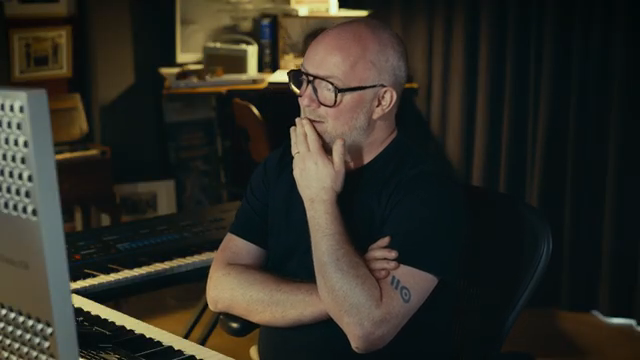
"The most important thing is an environment that's set to work around and be sculpted into your music, not for you to have to sculpt yourself around your sounds."
© Screenshot/Quote: Thecrowhillco (YouTube)
Glass Harmonics: Organic Sound, Mix-Ready Muscle
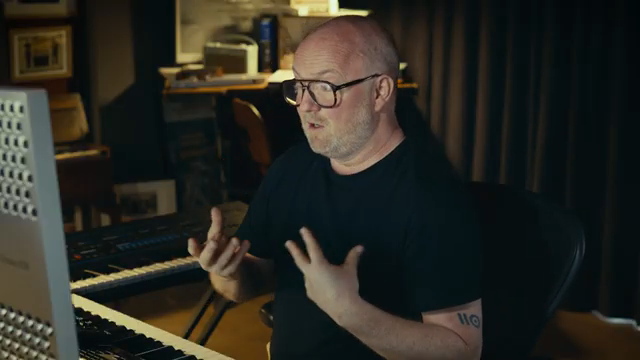
"All of these sounds that you hear come directly from organic sources means that they have a very rich harmonic content."
© Screenshot/Quote: Thecrowhillco (YouTube)
All those glass samples aren’t just a gimmick—they bring a rich, complex harmonic content you won’t get from your average digital pad. That means these sounds don’t just shimmer; they sit in the mix like they belong, without the usual EQ wrestling. The organic source material gives every note a movement and depth that static synth pads just can’t fake.
Henson’s not shy about pushing these textures to their limit, layering partials and effects until the soundscape is both lush and unpredictable. If you want pads that are easy to blend but never boring, Crystal Pads will make your DAW feel like a sonic street weapon. For the full impact, though, you’ll want to hear those harmonics in action—trust us, your speakers (and your tracks) will thank you.
This article is also available in German. Read it here: https://synthmagazin.at/crow-hills-crystal-pads-midi-fader-entfesselt-und-glasiger-wahnsinn/
Watch on YouTube:
Latest articles
Watch on YouTube:
Visit the channel:
https://www.youtube.com/TheCrowHillCo
https://www.youtube.com/TheCrowHillCo
Links from TheCrowHillCo:
Website: https://thecrowhillcompany.com
Socials: https://linktr.ee/thecrowhillcompany
Podcast & Extras: https://youtube.com/@crowhillxtras
Facebook: https://facebook.com/TheCrowHillCompany/
Instagram: https://www.instagram.com/thecrowhillcompany
Sponsored links:
If you purchase via these links, we may earn a small commission – at no extra cost to you. The link opens an Amazon keyword search, and results may vary depending on availability.
Crow Hill Crystal Pads
🔗 Check price on Amazon
🔗 Check price on Amazon
Crow Hill Crystal Pianos
🔗 Check price on Amazon
🔗 Check price on Amazon
Ghost Note Audio Conductor
🔗 Check price on Amazon
🔗 Check price on Amazon
Lujin MIDI Fader Controller
🔗 Check price on Amazon
🔗 Check price on Amazon