If you’re sick of endless plugin hype and want a vocal chain that actually slaps, Creative Sauce has you covered. Mike strips away the fluff and runs through his 2026 vocal chain, showing how to sculpt, compress, and tame vocals without turning your mix into a bland porridge. Expect sharp advice, a few firm opinions, and a toolkit of plugins that get the job done without breaking the bank. If you think a Neve pre and a sidechain can’t be friends, think again.
12. July 2026
SPARKY
Creative Sauce’s 2026 Vocal Chain: No-Nonsense Plugins for Raw Vocal Power
Arturia Pre 1973, FabFilter Pro-Q4, Smooth Operator Pro, Sonible pure:deess, UAD 1176, UAD LA-2A, UAD Pure Plate Reverb
Anatomy of a Vocal Chain: Only the Essentials
Creative Sauce launches straight into the core of a modern vocal chain, ditching theory for raw, practical moves. It’s all about clean signal flow: start with a preamp to add flavour, follow with surgical EQ, then a combo of compression and dynamic tools to keep things tidy. Mike’s not here to dazzle with boutique gear; he wants results you can hear, not just Instagram likes.
The plugins in play are all about getting a vocal to cut through the mix without frying your ears. Whether it’s the Arturia Pre 1973 for vintage warmth, FabFilter Pro-Q4 for precision fixes, or a blend of 1176 and LA-2A emulations, every tool has a job. None of them are just for show. If you think you need a dozen secret sauce plugins, think again—this is a streetwise vocal rig built for real-world tracks.
Corrective EQ: The Art of Not Overcooking
Corrective EQ isn’t about hunting down weird frequencies like a synth detective on too much coffee. Mike makes it clear: don’t solo and sweep endlessly, because everything sounds dodgy in isolation. Instead, listen to the vocal in context and only fix what actually bothers you.
Sometimes the smartest move is to do nothing—if it ain’t broke, don’t fix it. Over-EQ’ing is the fastest way to turn your vocal into cardboard. The Pro-Q4 is great for precise tweaks, but restraint is key. This approach keeps the vocal lively and avoids the sterile, over-processed sound that plagues so many bedroom mixes.
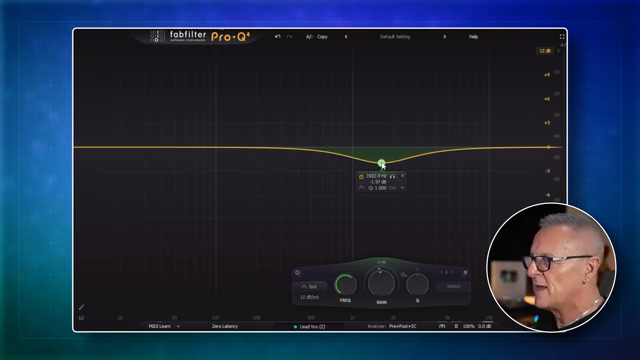
"What I prefer to do is just listen to the vocal normally and if I hear something like honkiness or boxiness or what have you, think about those frequencies which I'm hearing which need to be addressed and maybe use a tool like this to sort of hone in on them and find them before I make my adjustments."
© Screenshot/Quote: Creativesauce (YouTube)
Serial Compression: Double Trouble for Dynamics
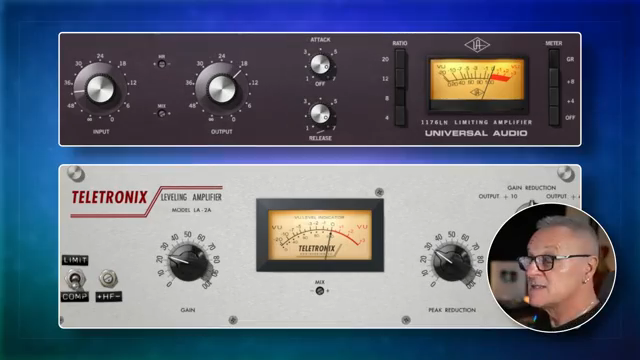
"We're using something called serial compression here, that is one compressor after another because each compressor does a slightly different job."
© Screenshot/Quote: Creativesauce (YouTube)
Serial compression is where things get serious—think tag-team wrestling, but your vocal’s the one taking the hits. The 1176 handles the fast transients, clamping down on the bits that want to leap out and startle your mix. Fast attack, fast release: keep it punchy but controlled.
Then enter the LA-2A, smoothing out what’s left with a gentler touch and a bit of sweet saturation. The magic is in the combination—one plugs the spikes, the other glues the performance. Mike’s approach keeps things sounding upfront and musical, not squashed flat. The results are obvious: the vocal stays present, natural, and ready to sit right on top of your beat.
Dynamic EQ & De-Essing: Taming the Sonic Snakes
After compression, harshness and sibilance can sneak in like rowdy punters at closing time. That’s where dynamic EQ and de-essing come in. Mike’s weapon of choice: Smooth Operator Pro, which listens in real time and zaps those nasty frequencies before they cause trouble.
For sibilance, it’s Sonnable’s Pure:deess—a set-and-forget plugin that analyzes each voice and dials in the right settings without endless knob-twiddling. The result? Vocals that stay crisp but never spit in your face. This isn’t about turning everything to velvet; it’s about keeping the attitude and taming only what needs taming.

"What I like about it is it actually analyzes the voice so you'll use this analyze feature, play some of the voice and it identifies the frequencies where sibilance is occurring for that voice because it's a little bit different for each singer."
© Screenshot/Quote: Creativesauce (YouTube)
Space and Clarity: Reverb & Sidechain Sorcery
To glue vocals into the mix without drowning them in soup, Mike sets up a reverb bus with the Universal Audio Pure Plate, plus a dash of pre-delay and a strict low cut. It’s all about adding air without making things murky. The trick? Use a compressor before the reverb, sidechained to the vocal—so the reverb ducks out while the singer’s belting, then fills the gaps when they pause. Old-school trick, new-school clean.
For extra clarity, Mike sidechains the vocal to the piano using Smooth Operator Pro, ducking just the right frequencies so the vocal always shines. If you want every technical detail, you’ll need to watch the video—because some of these routing moves are best seen (and heard) in action. But the message is clear: keep your mix moving, and let the vocals lead the charge.
This article is also available in German. Read it here: https://synthmagazin.at/creative-sauces-vocal-chain-2026-ehrliche-plugins-fuer-rohe-vocal-power/
More articles about these products:

Watch on YouTube:
Latest articles
Watch on YouTube:
Visit the channel:
https://www.youtube.com/CreativeSauce
https://www.youtube.com/CreativeSauce
Links from CreativeSauce:
website: https://www.creativesauce.net
instagram: https://www.instagram.com/creativesauce2b
soundcloud: https://soundcloud.com/user-183426888
Sponsored links:
If you purchase via these links, we may earn a small commission – at no extra cost to you. The link opens an Amazon keyword search, and results may vary depending on availability.
Arturia Pre 1973
🔗 Check price on Amazon
🔗 Check price on Amazon
FabFilter Pro-Q4
🔗 Check price on Amazon
🔗 Check price on Amazon
Smooth Operator Pro
🔗 Check price on Amazon
🔗 Check price on Amazon
Sonible pure:deess
🔗 Check price on Amazon
🔗 Check price on Amazon
UAD 1176
🔗 Check price on Amazon
🔗 Check price on Amazon
UAD LA-2A
🔗 Check price on Amazon
🔗 Check price on Amazon
UAD Pure Plate Reverb
🔗 Check price on Amazon
🔗 Check price on Amazon