Audio mastering is truly an art, and in the latest episode of MusoTalk, we dive deep into the world of compressors and limiters. Our guide takes us on a journey through the soundscapes of the FabFilter plugins, curious about the differences between these two titanic tools. The channel, known for its informative discussions and practice talks, shows us how to get the most out of these technologies. Change meets compression – which will prevail in the end?
25. April 2025
RAUMKLANG
Compression vs. Limiting: MusoTalk Reports from the Frontline
What's behind the mastering question?
MusoTalk opens the discussion with a quite fundamental question: What masters better – two compressors or two limiters? This question is not new, but timelessly relevant in the world of sound geometry. After all, as we know, a limiter is basically a very fast compressor. Which of these machines is better suited to tame sound spikes while maintaining proper loudness? The comparison of these two tools promises interesting insights, which MusoTalk presents in their typically versatile manner.

"What's better mastered, two compressors in a row or two limiters in a row?"
("Was mastered besser, zwei Kompressoren hintereinander oder zwei Limiter hintereinander?")© Screenshot/Quote: Musotalk (YouTube)
The Practical Setup: Like Attracts Like
"The mix is not exceedingly loud, we still have a healthy peak level and peak height here."
("Der Mix ist nicht ausgesprochen laut, wir haben noch ein gesundes Peak Level und Peak Niveau hier.")© Screenshot/Quote: Musotalk (YouTube)
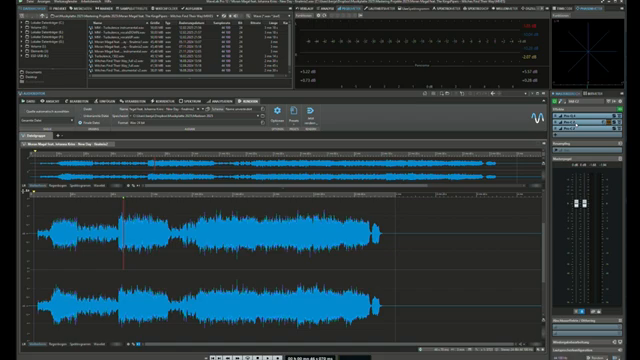
In their tried-and-tested style, MusoTalk first shows us the initial situation and introduces a mix by artists Moran Magal and Johanna Kriens. The first installation step on this patch journey consists of an equalizer, which MusoTalk applies to what they describe as a “mid-heavy” mix. Here, the sound lacks the necessary highs and lows. The equalizer remains constant in both variants – whether compressors or limiters are used – which makes the comparison all the more interesting.
On this straightforward path, the first compressor is set, acting with a preset called “Gentle White Mastering,” which slightly parallel compresses. With long release times and low ratios, subtle compaction is elevated to art – naturally without completely abandoning the beloved transients of some. While this sounds appealing, MusoTalk notes that the loudness limits must be carefully monitored.
Limiter as Concave-Convex Sound Tamer
The introduction to the world of limiters begins with a clear demarcation: “Ratio 100 to 1,” or in other words, real brick-wall technology. Interestingly, the limiter appears almost like a stone wall that lets any transients bounce off. MusoTalk demonstrates this with the versatile FabFilter Pro C2 compressor, which slips into the role of a limiter.
In terms of settings, it’s all about going all in: Lookahead is activated, and the ratio is steady at 100 to 1, establishing an insurmountable barrier for any peaks. The limiter’s mission: to neatly close loudness dynamics without letting disruptive spikes penetrate. An auditory balance is sought, one that unites both loudness and clarity.
Sound Nomads in Changing Play: The Two Methodologies in Direct Comparison
Now follows the exciting moment of truth, where MusoTalk almost clinically compares both approaches. The sonic properties of the compressor and limiter variants develop a life of their own here. The compressor, known for its ability to compact, presents a mix that is warm and inviting – like a cozy sound space that has been acoustically compacted. In contrast, the limiter variant delivers a more open, direct, and crisp sound. This allows the transients to maintain their flair for aerial acrobatics.
However, behind this technical balancing act, the difference in feel is also noticeable: the compressor draws from the philosophy that a mix should possess “togetherness,” while the limiter fully commits to clarity. The differing sonic characteristics of the two mastered variants are impressively demonstrated. Which philosophy is the better choice for a particular musical direction is, however, left to each individual to decide.
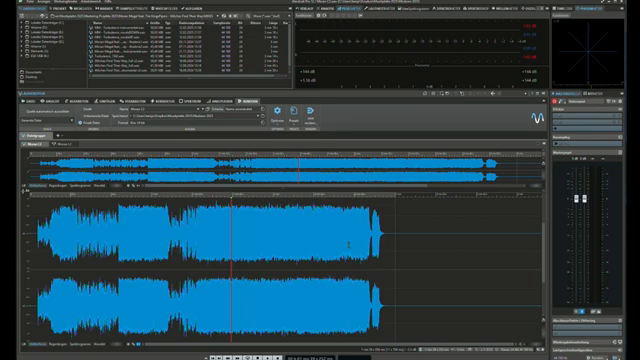
"Compression versus safe cutting of the upper peaks."
("Verdichtung versus sicheres Abschneiden der oberen Peaks.")© Screenshot/Quote: Musotalk (YouTube)
A Matter of Taste - Sound Aesthetics Under the Microscope
At the end of this remarkable mastering excursion, MusoTalk cannot offer a definitive recommendation. The sonic results show that both the compressor and the limiter have distinct strengths that impress in their own ways. The compressor seems to convince more than 70% of the listeners, if the comments are anything to go by. Its ability to highlight subtle details while generating a warm, organic sound image is impressive.
On the other hand, there are many who prefer the presence and clarity of the limiter variant. This offers an immediacy that has advantages in fast and dynamic musical pieces. However, in the world of mastering, the conclusion remains: it is not only a theoretical exercise but also a practical question of sound aesthetics and personal taste. This test by MusoTalk once again shows that in the world of mastering, no universal truth exists.
The Conclusion: The Sonic Patchwork Remains

"Matter of taste. What do you think? What do you like better?"
("Geschmacksfrage. Was meint ihr? Was gefällt euch besser?")© Screenshot/Quote: Musotalk (YouTube)
In conclusion, MusoTalk invites viewers to share their thoughts and preferences in the comments. After all, it remains a matter of taste, which method is most suited for the individual auditory justice. The consideration of chaining two compressors or limiters might correspond to a certain theoretical ideal, but in practice, it often works differently than expected.
This test is a journey through the sonic possibilities of the FabFilter plugins, which impressively demonstrates that the art of mastering is far more than just clicking through presets. Whether viewers lean towards sound shaping through compression or prefer limiting, it remains individually left up to them. Thanks to MusoTalk’s impressive presentation, we were once again offered a new perspective on the machine ethics of sound processing.
Translated from German. Read the original here: https://synthmagazin.at/kompression-vs-limiting-musire-talk-berichtet-von-der-front/
Watch on YouTube:
Latest articles
Watch on YouTube:
Visit the channel:
https://www.youtube.com/musotalk
https://www.youtube.com/musotalk
Sponsored links:
If you purchase via these links, we may earn a small commission – at no extra cost to you. The link opens an Amazon keyword search, and results may vary depending on availability.
FabFilter Pro C2
🔗 Check price on Amazon
🔗 Check price on Amazon
FabFilter Pro L2
🔗 Check price on Amazon
🔗 Check price on Amazon