Captain Pikant dives headfirst into the neon-lit labyrinth of 80s synthpop, taking on the iconic drum patterns of Dead or Alive’s ‘You Spin Me Round’. With his signature high-gloss production and a knack for cutting through the hype, Pikant unpacks what made this beat so addictive—and why Stock Aitken Waterman weren’t just a law firm with a killer snare. Expect sharp analysis, gear sleuthing, and a few surprises about those legendary drum sounds. If you think you know the LM-9000 from your LM-2, think again. This is synth archaeology with a groovebox attitude.
23. January 2026
SPARKY
Captain Pikant Spins the Drum Machine Mystery: Dissecting ‘You Spin Me Round’
Arturia Keystep, Dübreq Stylophone 350S, Native Instruments Komplete Kontrol M32, Squarp Hapax
Spinning Into the 80s: The Hit That Changed Everything
Dead or Alive’s ‘You Spin Me Round’ didn’t just top the charts—it detonated a new era for both the band and the production wizards Stock Aitken Waterman. Forget the usual pop sausage factory; this was their first number one, and it set the template for a decade of gold-plated hits. Pikant wastes no time setting the scene, reminding us that Stock Aitken Waterman weren’t a legal firm, but a hit-making machine with a taste for big, brash beats.
The track’s relentless energy and dense mix are front and centre, with Pikant promising to break down the drum magic that made it so addictive. If you’re after a nostalgia trip with a side of technical wizardry, you’re in the right rave bunker. The episode’s mission: rebuild those drums on a modern sequencer and see what makes this groove tick.
Beat Autopsy: Dissecting the Addictive Groove
Captain Pikant doesn’t faff about—straight into the bass pattern, then layering kicks, snares, and the infamous cowbell. The beat’s foundation is classic four-on-the-floor, but it’s the intricate layering that gives it bite. The cowbell, unaccented and relentless, hammers away like a caffeinated metronome, but Pikant’s quick to note that the real mix is so dense you barely notice the monotony.
Stereo tricks, double-hit hi-hats, and a galloping cabasa all get their moment in the spotlight. Pikant’s walkthrough is brisk but detailed, showing how each element locks in to create a texture that’s busy but never messy. The hand clap, meanwhile, refuses to play by the rules—eschewing the standard 2 and 4 for a rapid-fire assault that keeps the energy peaking. If you want the full flavour, you’ll need to hear it in the video—words can’t do justice to the rhythmic chaos.
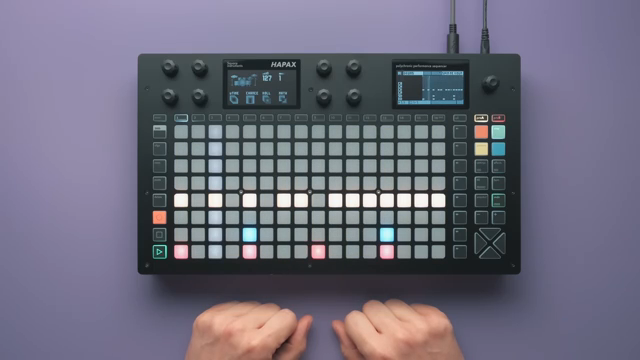
"This monotony isn't really noticeable though, because the final mix is incredibly dense as was often the case with stock 8-kin-waterman productions."
© Screenshot/Quote: Captainpikant (YouTube)
Drum Machine Detective: LIN-9000, Fairlight, and the Hunt for the Perfect Hit
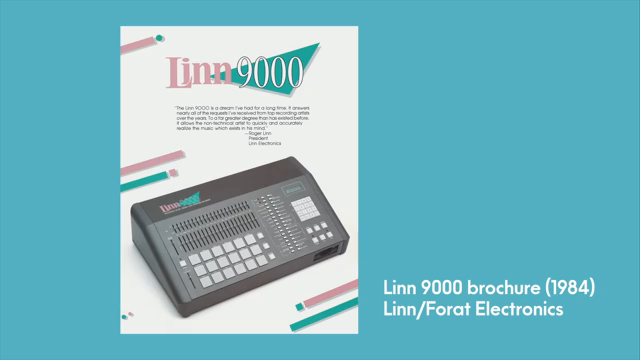
"It was an incredibly ambitious machine with tons of novel features, but it was buggy and notoriously unreliable."
© Screenshot/Quote: Captainpikant (YouTube)
Here’s where the real synth sleuthing begins. For years, forum nerds have argued about which drum machines powered ‘You Spin Me Round’. Pikant digs into the LIN-9000 myth, revealing it was more sequencer than sound source for Stock Aitken Waterman—and a famously unreliable one at that. The real drum sounds? Turns out, it’s a Frankenstein’s monster of Fairlight CMI samples, Oberheim DMX rumours, and the splashy hand clap from the LIN-LM1.
But Pikant doesn’t stop at guesswork. He pulls out receipts from books and even goes full Columbo, contacting Roger Linn himself and, in a Christmas miracle, getting the definitive word from Phil Harding, the man in the studio. The result: a hybrid of LM-2 and Fairlight, with layered kicks and cowbells, and a snare that’s been processed to within an inch of its life. If you’re after the gritty details, Pikant’s forensic approach is a masterclass in gear history—and proof that sometimes, the internet really doesn’t know best.
Modern Sequencer Mayhem: Rebuilding the Groove
Armed with the truth (and the right samples), Pikant gets down to business on a modern sequencer. He’s not precious about authenticity—if it sounds good, it is good. The video offers a practical, step-by-step guide to slotting these classic sounds into your own beats, with a free sample pack for those quick enough to grab it.
There’s a nod to the Patreon stash of drum patterns and cheat sheets, but the real gold is in the demonstration: how to group instruments, keep some patterns static, and introduce variations that keep the groove alive. Pikant’s workflow is fast, logical, and ruthlessly effective—just the way we like it. If you want to see the construction kit in action, you’ll need to watch the video for the full toaster-fight.
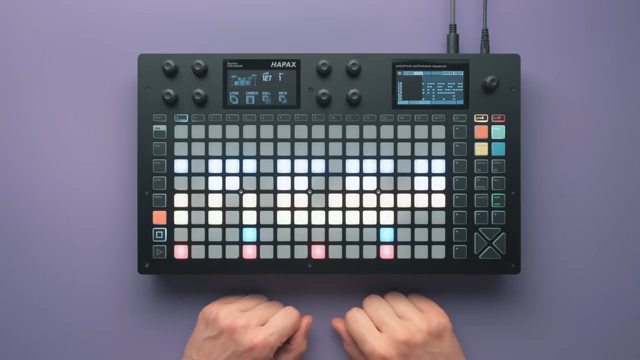
"Ultimately, it's not important which samples you use, as long as they sound good to you."
© Screenshot/Quote: Captainpikant (YouTube)
Variation Nation: How Drum Changes Supercharge the Song
Here’s where the magic happens. Pikant breaks down the two tribes of instruments: those that loop like clockwork (cabasa, hi-hat, cowbell) and those that morph and mutate (kick, snare, hand clap). It’s the interplay between these groups that keeps the track from turning into a repetitive slog. By switching up snare fills, kick patterns, and hand clap variations, the beat punctuates melodic phrases and ramps up the energy for key moments.
Pikant demonstrates how these variations aren’t just for show—they drive the song’s structure, marking transitions and building tension. The snare fill at the end of the intro, for example, is a textbook case of how to launch into a verse with maximum impact. The construction kit approach lets you combine building blocks for endless permutations, keeping things fresh without losing the plot.
If you’re a beatmaker looking to inject some 80s drama into your tracks, this section is pure inspiration. But trust me, the real juice is in the video’s end jam—watch it to see the pattern combos in full rave-bunker glory.
This article is also available in German. Read it here: https://synthmagazin.at/captain-pikant-dreht-auf-drum-maschinen-detektivarbeit-bei-you-spin-me-round/
Watch on YouTube:
Watch on YouTube:
Visit the channel:
https://www.youtube.com/CaptainPikant
https://www.youtube.com/CaptainPikant
Links from CaptainPikant:
Instagram: https://www.instagram.com/captainpikant/
Patreon: https://patreon.com/captainpikant
Imprint: https://imprint.captainpikant.com
Sponsored links:
If you purchase via these links, we may earn a small commission – at no extra cost to you. The link opens an Amazon keyword search, and results may vary depending on availability.
Arturia Keystep
🔗 Check price on Amazon
🔗 Check price on Amazon
Dübreq Stylophone 350S
🔗 Check price on Amazon
🔗 Check price on Amazon
Native Instruments Komplete Kontrol M32
🔗 Check price on Amazon
🔗 Check price on Amazon
Squarp Hapax
🔗 Check price on Amazon
🔗 Check price on Amazon