Ready to make your techno grooves bounce harder than a kangaroo on a trampoline? Underdog Electronic Music School is back, and this time they’re diving headfirst into the wild world of ‘flappy’ 16th notes. Oskar’s got a knack for turning dry theory into a hands-on rave tutorial, and he’s not afraid to get cheeky with his rhythmic experiments. If your beats are feeling stiffer than a sunbaked servo sandwich, this lesson will loosen them right up. Grab your headphones, mate—this one’s got more groove than a Melbourne laneway after midnight.
10. February 2026
TAS
Bounce Like a Roo: Underdog Electronic Music School’s Flappy 16th Note Techno Trick
Flappy 16ths: The Secret Sauce
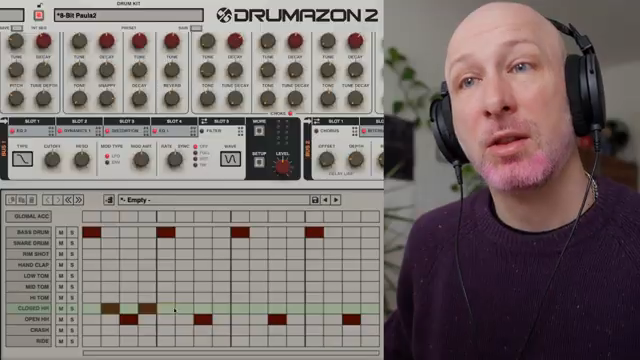
Oskar from Underdog Electronic Music School kicks things off by introducing us to the concept of ‘flappy’ 16th notes—a name that’s as fun as it sounds. These aren’t just any old rhythmic fillers; they’re the sneaky little accents that can turn a straight-laced techno beat into a groove monster. If you’ve ever wondered why some tracks make you move like you’ve just stepped on a stray Lego, it’s probably down to these cheeky notes.
He reckons these flappy 16ths are essential for that hypnotic, side-to-side energy in techno. Forget playing it safe with just the downbeats—embracing these weaker, off-kilter moments is where the real bounce lives. Oskar’s approach is as laid-back as a Sunday arvo BBQ, but don’t be fooled: there’s serious groove science at play here.
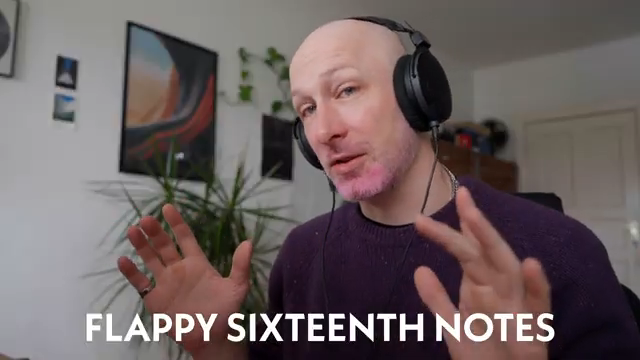
"Flappy 16th notes are essential especially in groovy and hypnotic techno."
© Screenshot/Quote: Oscarunderdog (YouTube)
Strength in Weakness: Rhythmic Hierarchies
"These are moments that you can accent using anything in your production."
© Screenshot/Quote: Oscarunderdog (YouTube)
Next up, Oskar breaks down the pecking order of beats in a one-bar loop. He’s got a knack for making music theory feel less like homework and more like a game of backyard cricket. The strongest beats are your trusty downbeats, followed by upbeats, and then—lurking in the shadows—those weak 16th notes.
But here’s the kicker: it’s these so-called weaklings that pack a surprising punch when you start accenting them. Whether you’re slapping a hi-hat, tom, or some mid percussion on those spots, you’ll find your groove gets a whole lot more interesting. It’s a bit like discovering the quiet kid at the party is actually the best dancer once the lights go down.
Count It Out: Hands-On Groove Exercises
Oskar doesn’t just talk the talk—he gets you counting along, school-style. He slows things down and challenges you to feel those 16th notes, stripping away the kick and upbeats until you’re left with the bare bones of the groove. It’s a bit like peeling back the layers of an onion, but with less crying and more head-nodding.
By isolating and accenting different 16th notes, you start to hear how each tweak changes the groove’s feel. The exercise is simple but surprisingly effective, and it’s the kind of hands-on trick that’ll have you rethinking your next drum pattern. If you want to get the full vibe, you’ll have to watch Oskar’s hand gestures and listen to the subtle shifts—some things just don’t translate to text, mate.
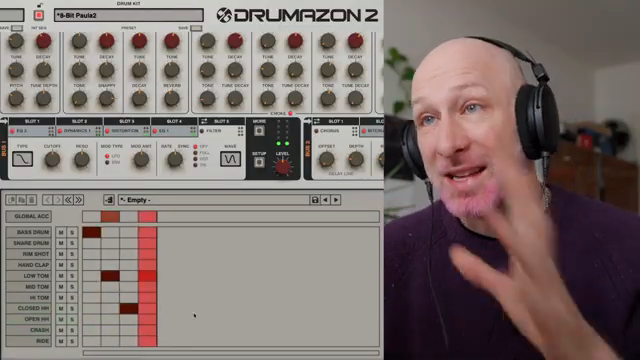
"This is all about relative rhythmic push and pull and programming of the intensity of the notes."
© Screenshot/Quote: Oscarunderdog (YouTube)
From Theory to Dancefloor: Real-World Groove Transformations
"It makes your body move in a very specific kind of a way."
© Screenshot/Quote: Oscarunderdog (YouTube)
Now for the juicy bit: Oskar drops some real-world examples to show how these techniques work in actual tracks. He points out how adding flappy 16ths to a hi-hat line can suddenly make a groove feel alive, like someone just spiked the punch at a bush doof. Even short audio snippets are enough to get your foot tapping.
He highlights how focusing on these side-to-side accents gives the rhythm a hypnotic pull, especially when the bassline and hats lock in together. Sometimes, it’s just one or two of those weak 16ths getting the spotlight, creating a groove that’s lopsided in the best possible way. It’s the kind of syncopation that makes your body move before your brain even catches up.
Oskar’s not shy about admitting the limitations of YouTube’s copyright police, so you only get a taste of the magic. But trust me, the full effect is something you need to hear for yourself—no written review can capture the way these grooves hit your guts on a big system.
Shaker Contour: The Groove’s Secret Weapon
Just when you think you’ve got the hang of it, Oskar throws in the concept of the shaker contour—a velocity curve that mimics the way you’d play an egg shaker. It’s all about varying the intensity: low, medium, high, then back to medium. This shape can be programmed into your sequencer, giving your rhythms a human feel even if you’re all thumbs with real percussion.
He shows how this contour works not just with shakers, but with toms, synths, and more. It’s a versatile trick that pops up everywhere once you know what to listen for. If you want your productions to feel less like a robot on autopilot and more like a sweaty warehouse jam, this is the secret handshake you’ve been missing.
This article is also available in German. Read it here: https://synthmagazin.at/bounce-wie-ein-kaenguru-underdog-electronic-music-schools-flappy-16th-note-techno-trick/
Watch on YouTube:
Latest articles
Watch on YouTube:
Visit the channel:
https://www.youtube.com/OscarUnderdog
https://www.youtube.com/OscarUnderdog
Links from OscarUnderdog:
underdog.brussels: https://underdog.brussels
Underdog instagram: https://instagram.com/oscarunderdog
Underdog facebook: https://facebook.com/underdogbrussels